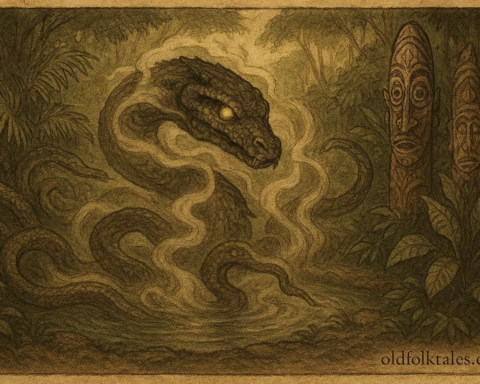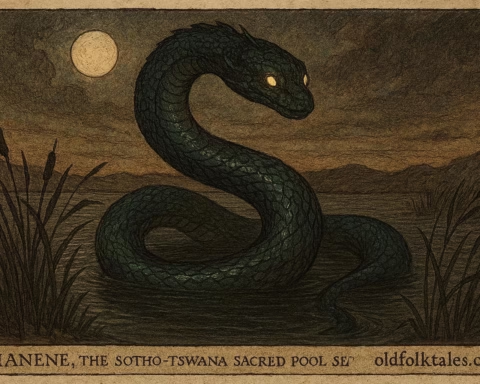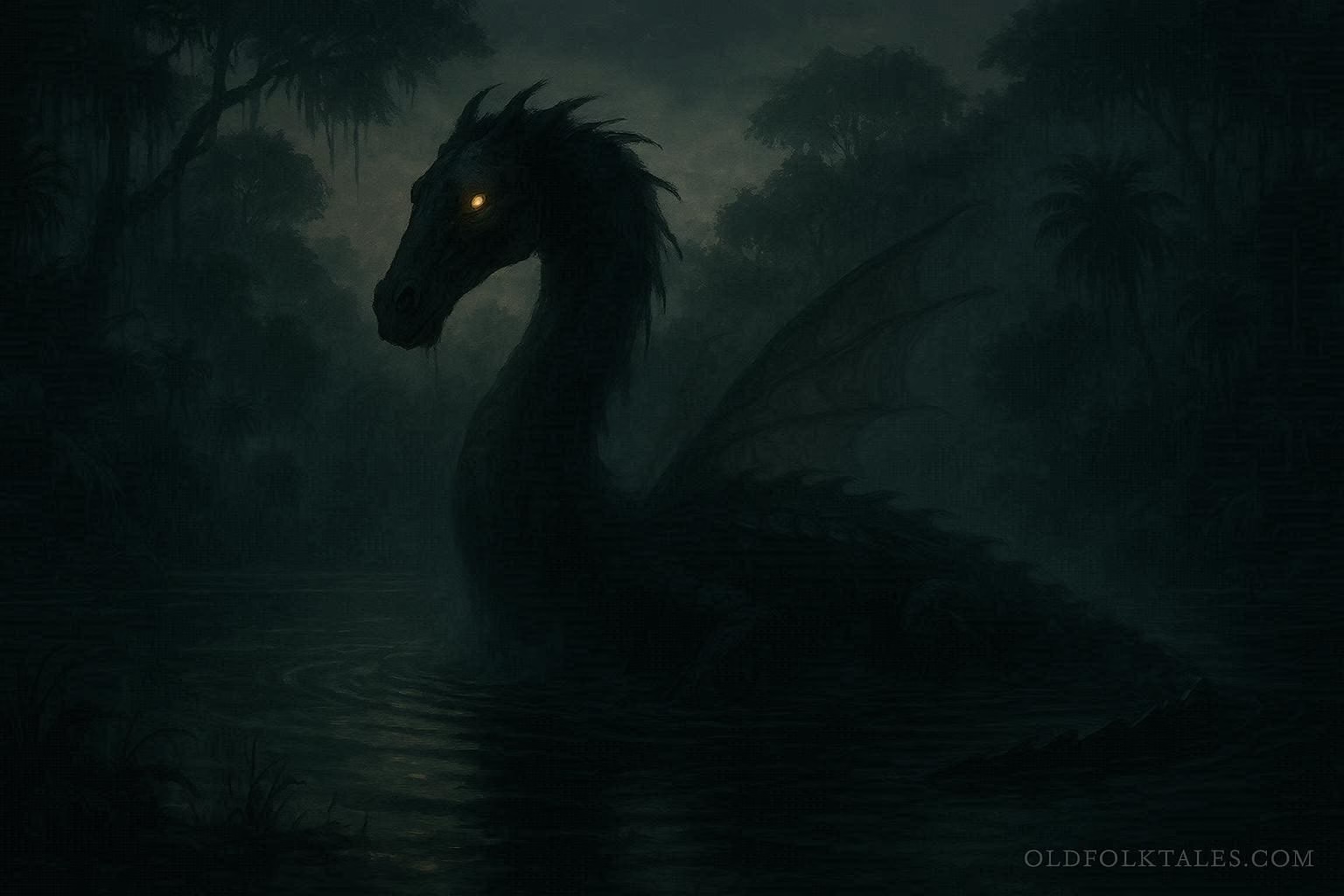
The Ninki Nanka is often described as a gigantic, swamp-dwelling dragon or serpent inhabiting remote rivers, marshes, and jungle wetlands. Its physical depiction varies among accounts: some describe it with a long, horse-like neck, a crocodile-like body, scales, claws, and sometimes even rudimentary wings, suggesting a hybrid between a serpent and a dragon. Its eyes are often said to glow ominously in the darkness, and its presence is accompanied by rippling water, strange sounds, and sudden disappearances of small animals or humans.
Behaviorally, the Ninki Nanka is considered extremely dangerous:
- Predatory habits: Stories warn that it can devour humans or livestock who venture too close to its swampy lair.
- Territoriality: It fiercely defends its home waters, and travelers are advised to avoid crossing rivers and marshes after dusk.
- Elusiveness: Unlike other mythic serpents, it is rarely seen directly; most descriptions are based on oral testimony, second-hand sightings, or tracks in the mud.
- Cryptid association: In some modern retellings, particularly in cryptozoology, it is treated as a possible undiscovered species, blending myth with natural curiosity.
Though dangerous, the Ninki Nanka is also respected and feared for its supernatural qualities. Folklore warns of its vengeful intelligence and supernatural strength. Some stories include rituals or charms to ward it off or appease it, suggesting that it is more than a mere predator, it is a liminal, protective, or punitive spirit of the swamp.
Physical descriptions vary by region and storyteller:
- In Gambia, emphasis is on a long, serpent-like body with horse-like head and crocodilian features.
- In Senegalese and coastal stories, wings or spines may be added, giving it a dragon-like silhouette.
- In modern retellings and cryptid-inspired media, it is sometimes portrayed as immense enough to capsize canoes or boats, emphasizing the moral of respect for the untamed swamp.
Cultural Role
The Ninki Nanka occupies a unique place in West African swamp and riverine folklore, symbolizing both danger and respect for the natural world:
- Moral Symbolism:
The Ninki Nanka embodies the perils of recklessness and hubris. Humans who venture into swamps or cross rivers without caution risk being attacked. Its legend teaches respect for dangerous environments, reinforcing survival wisdom in communities living near wetlands. - Social and Psychological Function:
In oral storytelling, Ninki Nanka stories serve as cautionary tales for children and travelers, deterring them from entering remote, potentially hazardous terrain. The fear it inspires encourages social cohesion and obedience, as communities collectively heed advice from elders and storytellers. - Environmental and Spiritual Connection:
Swamps and rivers in West Africa are liminal spaces, full of life, mystery, and danger. The Ninki Nanka embodies these qualities, acting as a guardian of natural thresholds. It reflects a broader African cultural tendency to personify rivers, forests, and wetlands as inhabited by powerful spiritual beings. - Cryptid and Modern Mythology:
In recent decades, the Ninki Nanka has appeared in cryptozoology-inspired storytelling, blending traditional myth with modern curiosity about undiscovered species. While scholarly sources are limited, this modern interest demonstrates the flexibility and resilience of oral traditions in adapting to new cultural contexts. - Warning and Protective Function:
While primarily dangerous, some oral traditions suggest that rituals, charms, or respectful acknowledgment can prevent attacks. This illustrates a recurring theme in African folklore: spirits are neither purely evil nor benign but require ethical, respectful interaction.
Historical Context and Variants
Unlike other deeply documented West African myths, the Ninki Nanka’s early ethnographic record is sparse. Most references appear in modern folklore compendiums, local storytelling, and popular media, rather than colonial-era texts or museum archives. Nonetheless:
- Its name and narrative motif appear across multiple sources, suggesting a consistent oral tradition in Gambian and coastal riverine communities.
- Variants differ by shape, wings, and behavior, highlighting the regional and performative nature of oral folklore.
- Modern reinterpretations, by cryptozoologists or internet folklorists, have amplified its dragon-like qualities, adding wings, size exaggeration, and mystical abilities.
The Ninki Nanka thus represents a blend of local oral tradition and contemporary mythmaking, bridging historical storytelling with modern imagination.
Encounter dragons, spirits, and beasts that roamed the myths of every civilization
Author’s Note
The Ninki Nanka exemplifies the fluidity of oral tradition. While archival primary sources are limited, the stories that persist carry social, environmental, and moral weight. The swamp dragon warns of the perils of human overconfidence, the need for respect in dangerous landscapes, and the unpredictability of nature. Like many liminal spirits in African folklore, it reflects community ethics, ecological knowledge, and narrative creativity, demonstrating that myth need not be historically documented to be culturally meaningful.
Knowledge Check (Q&A)
- Q: What type of environment does the Ninki Nanka inhabit?
A: Swamps, rivers, and remote wetlands in coastal West Africa. - Q: How is it physically described?
A: Large serpent or dragon, sometimes with horse-like neck, crocodile-like body, claws, scales, and occasionally wings. - Q: What moral lesson does the Ninki Nanka story convey?
A: Respect for dangerous landscapes and awareness of natural hazards. - Q: How does it interact with humans?
A: Predatory and territorial; may devour humans or livestock, scare travelers, or punish those who show disrespect. - Q: Which countries are primarily associated with Ninki Nanka folklore?
A: Gambia, Senegal, and other coastal/riverine zones in West Africa. - Q: How does modern retelling affect the legend?
A: It amplifies dragon-like qualities, emphasizes cryptozoological speculation, and integrates visual exaggeration while maintaining traditional moral lessons.
Source:
Civilisable, “‘Ninki Nanka’: West African swamp dragon legend” (2024); AfroDeities, “The Forgotten Beasts of African Mythology”; oral folklore from riverine and coastal communities in West Africa.
Origin:
West Africa; primarily Gambia, Senegal, and other coastal/riverine zones. Oral tradition, with textual records mostly in modern retellings (late 20th–21st century).