
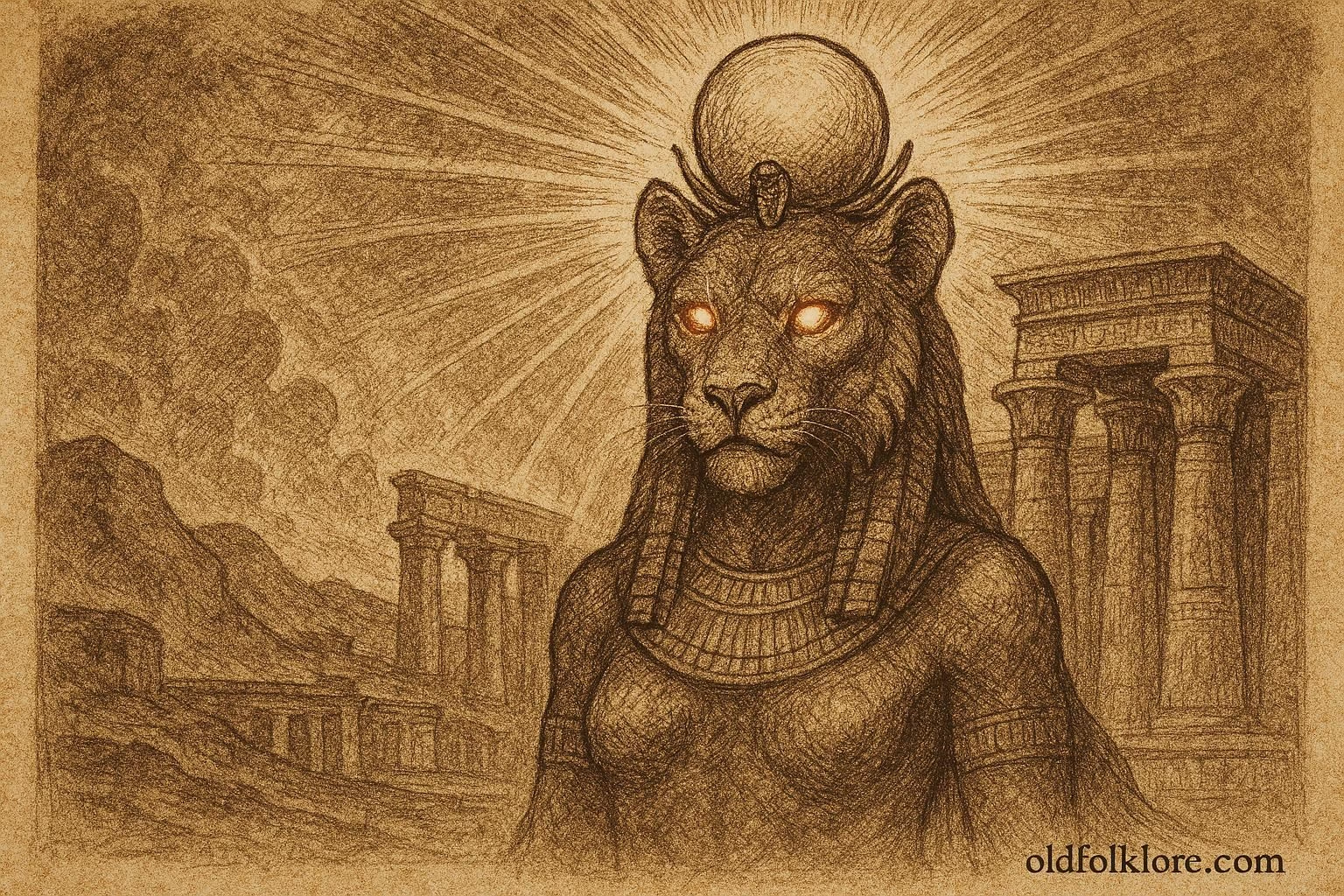
Sekhmet is the lioness-headed goddess of war, plague, and healing, revered as a manifestation of divine power. She embodies both fury and protection, capable of wreaking destruction while also curing disease. Often called the “Eye of Ra,” she acts as the sun god’s instrument of justice, sent to punish enemies and safeguard the pharaoh. Sekhmet’s sacred animals include lions, and her worship was concentrated at Memphis and later at Karnak, where priests offered rituals, hymns, and sacrifices to appease her wrath. Her dual nature as a healer and a destroyer reflects the ancient Egyptian belief that divine power is both merciful and fearsome, demanding respect and ritual attention.
Mythic Story
Long ago, when humanity began to stray from the divine order, Rā, the sun god and sovereign of the skies, became dismayed at their disobedience. Their hearts had hardened, and their misdeeds threatened the cosmic balance. To punish them and restore harmony, he summoned Sekhmet, his fiercest protector. The lioness goddess descended from the heavens, her eyes blazing like twin suns, her mane ablaze with the fiery heat of the noonday sun.
Sekhmet’s roar shook the earth, and her footsteps scorched the lands. She moved with a relentless fury, devouring the wicked and leaving cities in smoldering ruin. The people cowered before her; even the winds seemed to bend away from her path. Day after day, she unleashed her wrath, and the earth ran red with the blood of those who had defied divine law.
Rā watched from the heavens, but soon Sekhmet’s rage grew uncontrollable. Her appetite for destruction threatened to annihilate all of humanity, including the righteous who had remained faithful. The sun god realized he must intervene, for even his fiercest emissary could not be allowed to disrupt the cosmic order he had established.
Rā devised a cunning plan. He ordered vats of beer to be brewed and dyed deep red to resemble the blood of the slain. At dusk, as Sekhmet paused from her rampage, she found the red liquid laid out before her. Mistaking it for blood, she drank greedily, her thirst for slaughter sated by the crimson brew. In her inebriation, her fury began to ebb, and her heart softened. The goddess laughed and played, forgetting her wrath. Humanity was spared, and the land, though scarred, began to heal.
This myth explains Sekhmet’s dual nature: she is both destructive and curative, a divine force that can punish yet protect. Rituals in her honor often sought to appease her anger while invoking her power to heal illness. Temples dedicated to Sekhmet held elaborate ceremonies, including offerings of beer, bread, and prayers, echoing the ancient tale of how her bloodlust was tempered. Through this story, Egyptians recognized the delicate balance of divine power and human morality, where obedience and respect ensured survival, and the goddess’s protection could be invoked in times of plague or war.
Author’s Note
Sekhmet’s myth embodies the paradoxical nature of divine authority: destruction and healing are inseparable facets of cosmic order. Her tale teaches that unchecked anger, even divine, can threaten creation, yet wisdom, strategy, and compassion can restore balance. In humanity, it reminds us that power is both creative and destructive, and that respect for the natural and divine laws is essential to survival and flourishing. Sekhmet’s legacy continues to inspire awe, symbolizing courage, protection, and the transformative power of controlled fury.
Knowledge Check
Q1. Who is Sekhmet?
A: Sekhmet is the lioness-headed Egyptian goddess of war, plague, and healing, known as the “Eye of Ra.”
Q2. What dual roles does Sekhmet embody?
A: She embodies destruction and healing, punishing the wicked while curing disease.
Q3. How did Sekhmet’s fury end in the myth?
A: Rā tricked her by giving her beer dyed red to resemble blood, which she drank, calming her wrath.
Q4. Where was Sekhmet primarily worshiped?
A: Temples in Memphis and Karnak were her main centers of worship.
Q5. What is Sekhmet’s connection to Rā?
A: She is the “Eye of Ra,” his emissary who enacts divine justice on Earth.
Q6. What moral lesson does Sekhmet’s story convey?
A: It highlights the balance of power, obedience to divine law, and the transformative potential of controlled fury.
Source: Egyptian Mythology, Egypt
Source Origin: Ancient Egypt






