Candomblé, one of the most profound Afro-Brazilian religions, was born in the crucible of colonial Brazil during the 16th to 19th centuries. Enslaved Africans from Yoruba, Fon, and Bantu-speaking regions carried with them sacred knowledge, songs, and rituals that preserved their ancestral cosmologies. Amid persecution, these groups merged their beliefs into what became Candomblé, a living fusion of West and Central African spirituality, Catholic imagery, and Indigenous Brazilian influences. The religion took root particularly in Bahia, where terreiros (ritual houses) became sanctuaries of cultural and spiritual survival.
Today, Candomblé stands as a testimony to resilience and divine continuity. From the rhythmic heart of Salvador to diasporic temples in Europe and the Americas, it remains a vibrant expression of Afro-descendant identity, a ritual language of healing, balance, and sacred reciprocity with the unseen world.
Description
Candomblé is centered on the worship of the orixás, divine forces or deities representing aspects of nature and human life. Each orixá governs a natural domain and embodies moral and spiritual lessons: Oshun rules rivers and love, Shango commands thunder and justice, Yemanjá governs the sea and motherhood, while Ogum embodies iron, warfare, and progress.
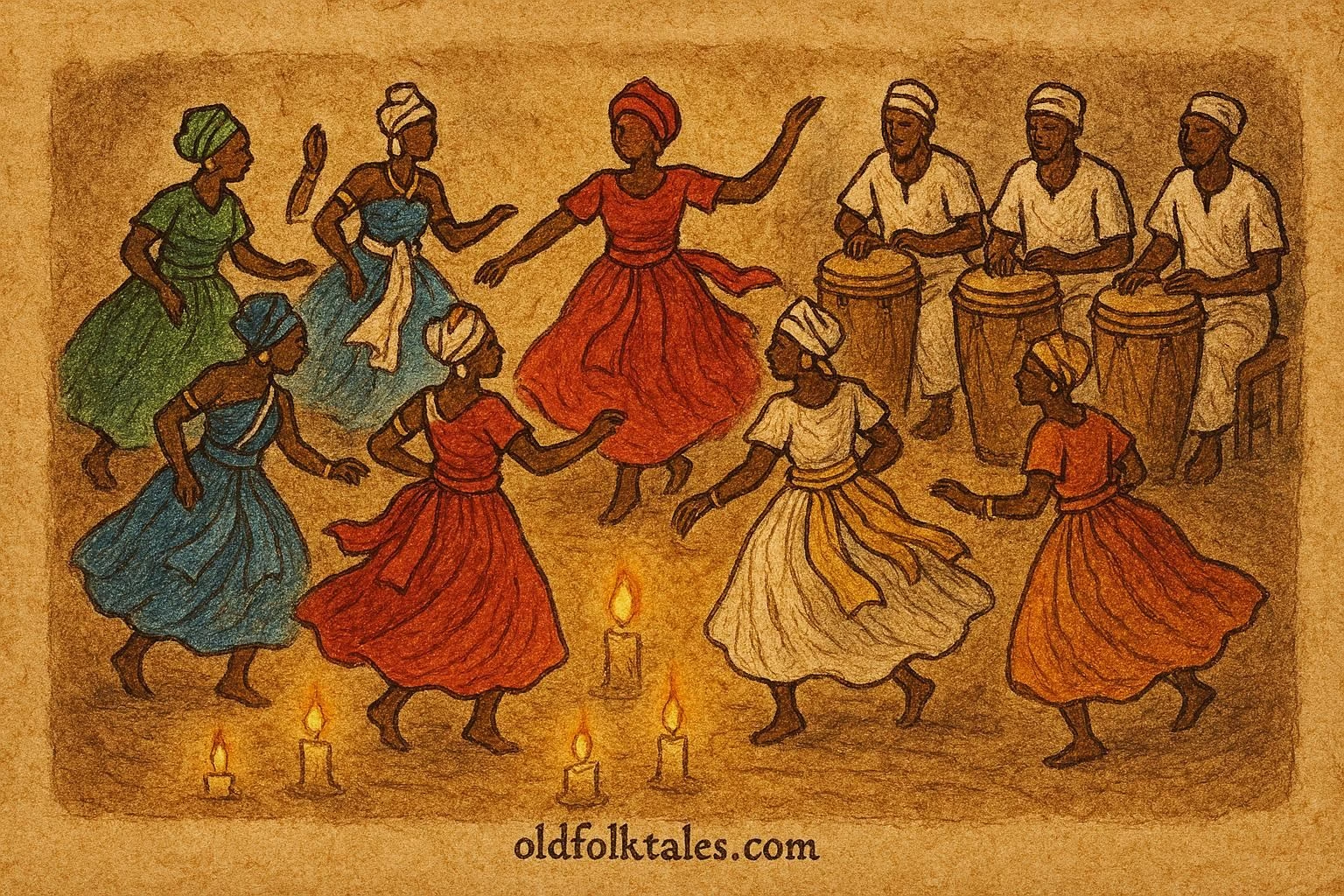
Rituals, known as toques, are held within the terreiro, an enclosed sacred space organized around the peji, an altar dedicated to the orixás. The ceremony opens with rhythmic drumming played on atabaques (ritual drums), accompanied by chants in Yoruba or Kikongo, invoking the orixás through praise songs. As the energy rises, devotees, called filhos de santo (children of the saint), enter trance states, allowing the orixás to possess them. This possession is not viewed as loss of control but as divine communion, a sacred merging of mortal and spirit.
Offerings of food, flowers, beads, and animal sacrifices (where culturally permitted) are made to feed the orixás’ essence, maintaining axé, the vital life force that sustains creation. Each orixá has its own colors, foods, and rhythms. For instance, Shango’s rituals feature red garments and the pounding of thunderous drums, while Oshun’s are adorned with golden hues, honey, and graceful dance.
Candomblé rituals are also communal, reinforcing bonds of kinship and hierarchy within the nation (branch) of the house, Ketu, Jeje, or Angola. The mãe-de-santo or pai-de-santo acts as both priest and spiritual parent, guiding initiates through bory (head-feeding ceremonies), obrigação (ritual obligations), and feast days marking the annual calendar of divine observances.
Despite centuries of persecution, from colonial bans to 20th-century police raids, Candomblé has endured. It is now recognized by Brazil as an official cultural and spiritual heritage, and its songs, art, and cosmology influence Brazilian identity itself.
Mythic Connection
Candomblé’s mythology is deeply rooted in the Yoruba Ifá cosmology. In the beginning, Olodumare, the supreme creator, sent the orixás to shape the world. Each deity brought distinct gifts, earth, fire, water, wisdom, and fertility, giving rise to balance and diversity in creation. Through ritual, humans honor these forces, renewing harmony between the visible and invisible realms.
The dance and possession of Candomblé mirror these mythic cycles. When an orixá “mounts” a devotee, it reenacts the primordial act of divine descent. The drumming and songs reawaken the cosmos, inviting the presence of the gods as they once descended to shape the earth.
Candomblé also preserves the moral teachings of its pantheon. The rivalry of Shango and Ogun warns against pride and unchecked power, while Oshun’s wisdom in diplomacy reminds worshippers of the sacred feminine’s role in maintaining balance. In essence, every ritual is a microcosm of cosmic order, a living reenactment of mythic truth.
Author’s Note
The Candomblé rituals embody the living memory of African spirituality in the Americas. They reflect the triumph of culture over oppression, faith over erasure. Each beat of the drum, each chant in Yoruba, rekindles a lineage that survived slavery, colonization, and cultural suppression. Through Candomblé, Brazil’s Afro-descendant communities have preserved their sacred relationship with nature, ancestors, and divinity, a luminous thread binding the human and the divine across oceans and centuries.
Knowledge Check
1. What is the central focus of Candomblé worship?
The veneration of orixás, divine spirits representing natural and moral forces.
2. How did Candomblé originate in Brazil?
It developed among enslaved Africans who merged Yoruba, Fon, and Bantu beliefs with local and Catholic elements.
3. What role do drumming and dance play in rituals?
They summon the orixás, elevate spiritual energy, and facilitate divine possession.
4. Who are the key leaders within a terreiro?
The mãe-de-santo or pai-de-santo, who lead ceremonies and guide initiates.
5. What is the significance of “axé” in Candomblé?
Axé is the vital spiritual energy that sustains life, balance, and divine connection.
6. How does Candomblé reflect cultural resilience?
It preserved African cosmology despite centuries of colonial suppression, evolving into a symbol of Afro-Brazilian identity.