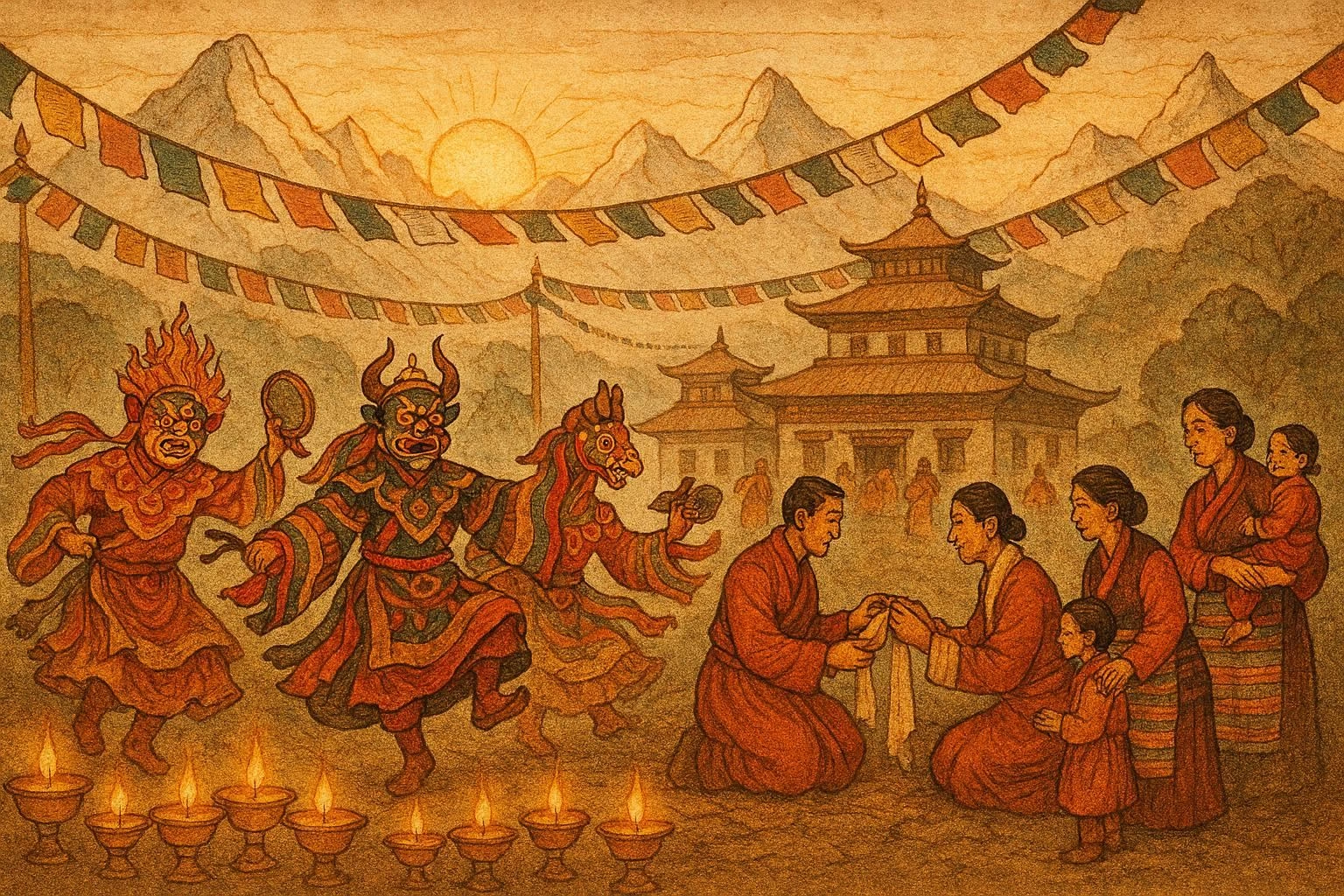
Losar, the Tibetan New Year, is a vibrant and spiritually resonant festival observed across the Himalayan region. Rooted in ancient Bon winter-solstice rituals, Losar was later integrated into Tibetan Buddhism, creating a hybrid celebration that emphasizes purification, renewal, and devotion. The festival spans several days, beginning with household cleaning to sweep away negativity and make space for blessings in the coming year. Families prepare altars with offerings such as fruits, barley, incense, and butter lamps (torma) to honour guardian deities, ancestors, and local spirits.
Central to the festival are cham dances, ritual mask dances performed in monasteries, depicting mythic battles, protective deities, and narratives from Buddhist cosmology. These dances symbolically ward off evil spirits and reinforce moral and spiritual order. Public rituals include hanging prayer flags, lighting butter lamps, and sharing traditional foods and drinks such as chang (barley beer) and sweet rice cakes. Losar embodies both spiritual purification and social cohesion, strengthening familial bonds and communal identity.
Mythic Connection
Losar’s mythological framework reflects the convergence of Bon and Buddhist cosmologies. The festival marks the triumph of order over chaos, paralleling themes found in Tibetan creation myths and protective deity narratives. Guardian deities (lokapalas), wrathful spirits, and ancestral entities are invoked to oversee the moral and spiritual conduct of the community. Cham dances dramatize these cosmologies, teaching ethical lessons while ensuring cosmic balance.
The offerings of khata scarves and chang beer symbolize generosity, gratitude, and the renewal of reciprocal relationships between humans and divine forces. Butter lamps represent the illumination of wisdom dispelling ignorance, and purification rituals mirror the cleansing of karmic obstacles. In essence, Losar is both a mythic enactment and a spiritual strategy to align earthly life with celestial order.
Ritual Practice
Preparations for Losar begin weeks in advance. Families clean homes, repair altars, and make special offerings. On New Year’s Eve, households burn incense and hang new prayer flags to attract positive energy. Monasteries host large-scale cham performances, where monks wearing elaborate masks enact protective and mythic narratives. Villagers and devotees attend these dances, receiving blessings through ritual contact with sacred objects.
Food and drink play symbolic roles. Chang, a barley-based alcoholic beverage, is shared to promote social cohesion, while offerings of rice, fruits, and sweets are made to deities and ancestors. Gifts of khata scarves reinforce social ties and spiritual respect. In Bhutan, Druk Losar ceremonies often include royal rituals, while Sherpa communities in Nepal observe Gyalpo Losar, integrating local deities and clan-specific practices.
The festival culminates with community prayers and rituals that seal the purification and renewal process. Losar demonstrates a careful balance between domestic observance, monastic ritual, and community participation, reflecting a holistic spiritual worldview.
Author’s Note
Losar is a profound illustration of how ritual, myth, and social life intertwine in Tibetan Buddhist culture. It represents both an individual and communal act of spiritual renewal, blending ancestral veneration, cosmic myth, and ethical reflection. Beyond its colorful ceremonies and dances, Losar functions as a spiritual compass, guiding practitioners through karmic cleansing and moral recalibration. The festival’s enduring popularity across Tibet, Bhutan, and Nepal reflects the resilience and adaptability of Himalayan cultural traditions. Observing Losar offers insight into a worldview where human, spiritual, and cosmic orders are inseparably linked.
Knowledge Check
Q1: What does Losar primarily celebrate?
A1: Losar marks the Tibetan New Year, emphasizing purification, renewal, and the triumph of order over chaos.
Q2: Which two religious traditions converge in Losar?
A2: Ancient Bon winter-solstice rituals and Tibetan Buddhist cosmology.
Q3: What is the significance of cham dances?
A3: They invoke protective deities, enact mythic narratives, and symbolically ward off evil spirits.
Q4: What offerings are typically made during Losar?
A4: Butter lamps, fruits, rice cakes, barley beer (chang), and khata scarves.
Q5: How does Losar foster community cohesion?
A5: Through communal rituals, sharing of food and drink, attending dances, and exchanging gifts and blessings.
Q6: What do butter lamps symbolize in Losar rituals?
A6: The illumination of wisdom, spiritual guidance, and the dispelling of ignorance and negativity.