Beltane, celebrated on 1 May or the evening of April 30, is one of the principal fire festivals in the ancient Celtic calendar. Known in Gaelic as Bealtaine, it marks the beginning of the pastoral summer season, when livestock were moved to summer pastures and communities sought protection, fertility, and prosperity. Historically, Beltane was a communal and ritualistic celebration, characterized by the lighting of bonfires atop hills or near settlements.
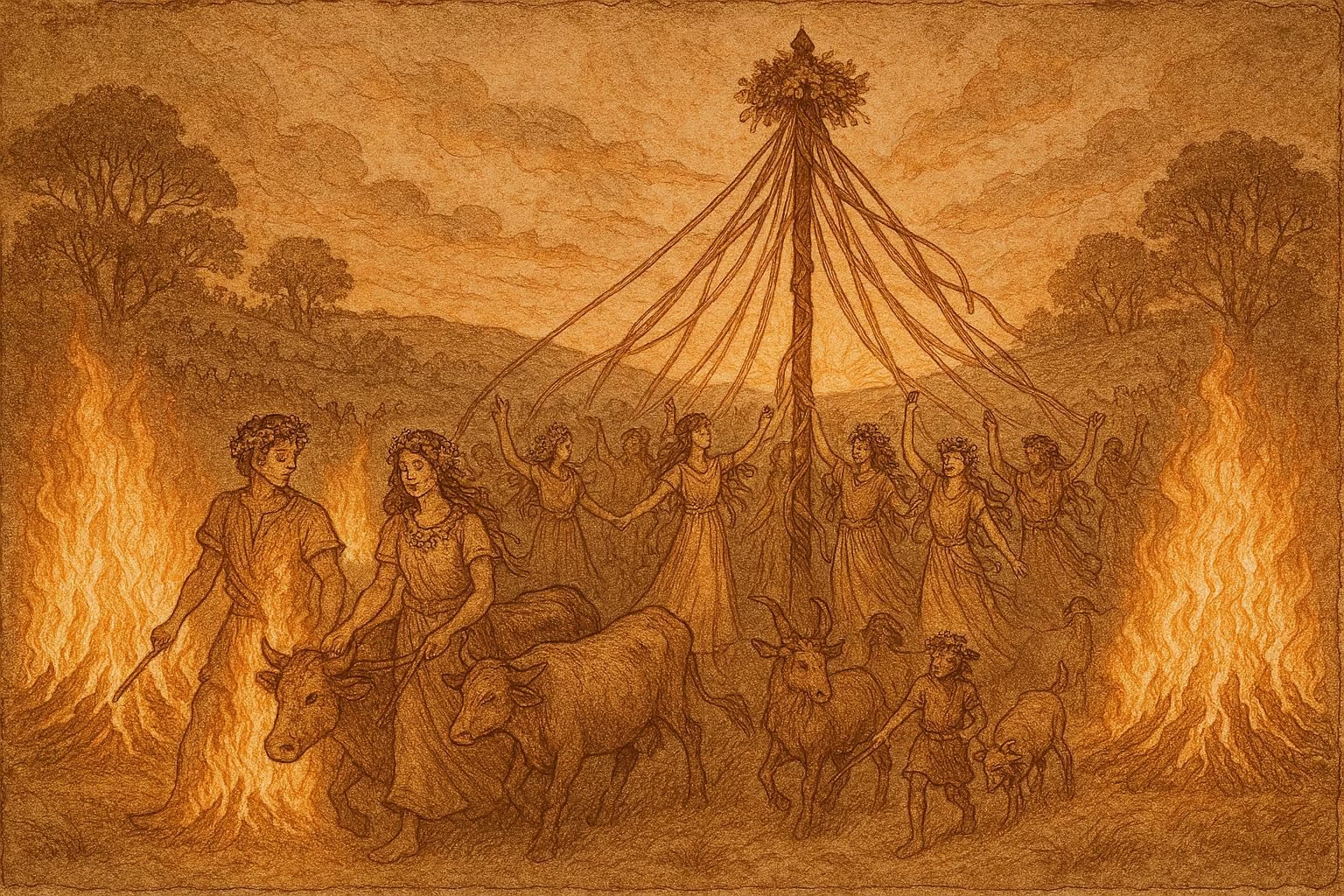
One of the central rites involved the “need-fire,” a sacred flame kindled by friction or ritual methods and used to relight household hearths, symbolizing renewal and the continuity of life. Livestock were driven between paired fires to purify and protect them, ensuring fertility and safeguarding the herds from disease. Communities adorned homes and public spaces with May-flowers, birch branches, and green boughs, marking the vitality of nature and welcoming the sun’s full power into the landscape.
Maypoles, tall wooden poles decorated with ribbons and flowers, emerged as a focal point for communal dancing, fostering unity and celebration. While modern Beltane revivals, including neopagan traditions, emphasize May Queens, maypoles, and ritual dramatizations, these derive from the symbolic core of fire, fertility, and protection inherent in the ancient festival.
Mythic Connection
Beltane’s rituals are closely linked to Celtic cosmology and the veneration of solar forces. The festival is named after Bel (or Belenus), a solar deity whose warmth and light were thought to nurture crops, cattle, and human life. Fire served as a medium to channel divine energy, purifying the community, protecting against malign spirits, and marking the liminality of seasonal transition.
Driving livestock between fires represents a mythic enactment of cosmic protection: the community actively participates in the maintenance of harmony between the natural and supernatural worlds. The lighting of the need-fire, in particular, embodies the rebirth of solar energy and its transmission into the domestic sphere, linking household, herd, and wider community to the sacred rhythm of the universe.
May-branch decorations and the selection of a May Queen symbolize fertility, growth, and the human role in honoring nature’s cycles. The festival’s emphasis on communal participation reflects a worldview in which humans, animals, and deities are intertwined in sustaining life, prosperity, and cosmic balance.
Ritual Practice
Beltane practices began in the evening of April 30 and extended through 1 May. Bonfires were lit on prominent hills, often in multiple locations to maximize the protective and purifying influence of fire. Livestock were ceremonially driven between the fires, and people would jump over flames or touch smoke to gain protection and fertility blessings.
The need-fire was kindled in each community by striking stones together or using friction techniques. Embers from this sacred flame were then carried to relight hearths, ensuring that each household received a portion of the community’s protective energy. Offerings of milk, grains, or flowers were sometimes made to local spirits or deities to solicit favor.
Communal dancing around maypoles, garlanding with flowers, and other celebratory acts enhanced social cohesion. Music, singing, and storytelling often accompanied these rituals, creating an immersive experience that linked participants to ancestral traditions and the cyclical rhythms of the earth.
In modern revivalist practice, Beltane ceremonies integrate pagan ritual dramatizations, public festivals, and artistic performances, preserving symbolic elements of fire, fertility, and seasonal transition. These contemporary observances maintain continuity with ancient practices while adapting to social and cultural change.
Author’s Note
Beltane exemplifies the intimate connection between humans, nature, and the divine in Celtic tradition. The festival illustrates how ritualized fire, fertility rites, and pastoral observances were not mere superstitions but a profound method of harmonizing community life with seasonal cycles and cosmic forces. Through these rites, ancient Celts enacted the protection of their livestock, the renewal of households, and the celebration of solar energy. Beltane persists today in revived and adaptive forms, serving as a testament to the enduring power of ritual to bind community, honor mythic archetypes, and sustain cultural identity.
Knowledge Check
Q1: What is the primary purpose of Beltane fires?
A1: To purify, protect, and bring fertility to livestock, households, and the community.
Q2: Which Celtic deity is associated with Beltane?
A2: Bel (or Belenus), the solar god.
Q3: What is the “need-fire” and its significance?
A3: A sacred flame used to relight hearths and symbolize renewal and protection.
Q4: Why were livestock driven between paired fires?
A4: To purify them and ensure fertility, health, and divine protection.
Q5: What symbolic role does the May Queen play in modern Beltane?
A5: Represents fertility, growth, and the life-giving forces of nature.
Q6: How does Beltane reflect the Celtic worldview?
A6: It emphasizes the interconnection of humans, animals, deities, and seasonal cycles.