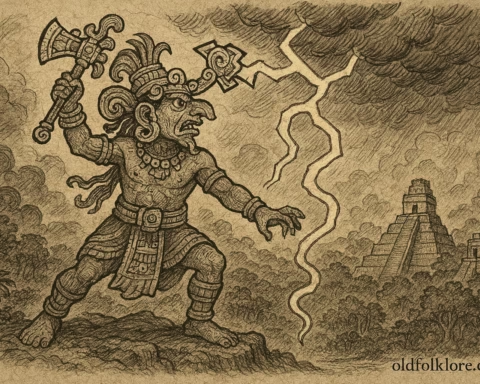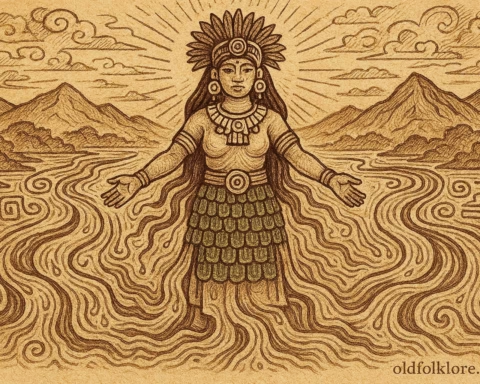
Tlāloc, the great rain and storm god of the Aztecs, ruled over the life-giving waters upon which all crops, and therefore all people, depended. His name evokes moisture, fertility, lakes, and the trembling voice of thunder rolling through the mountains of Central Mexico. Tlāloc dwells in Tlālocan, a lush, paradisiacal realm filled with verdant plants and unending springs, a place reserved for those who died by drowning, water-related ailments, or lightning.
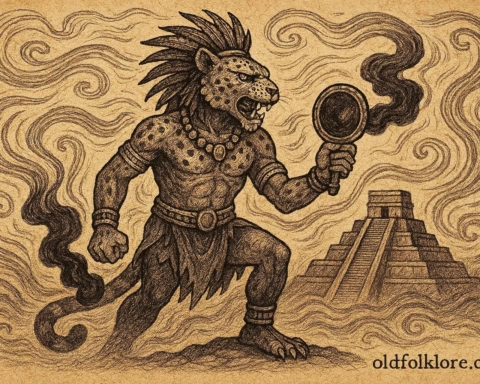
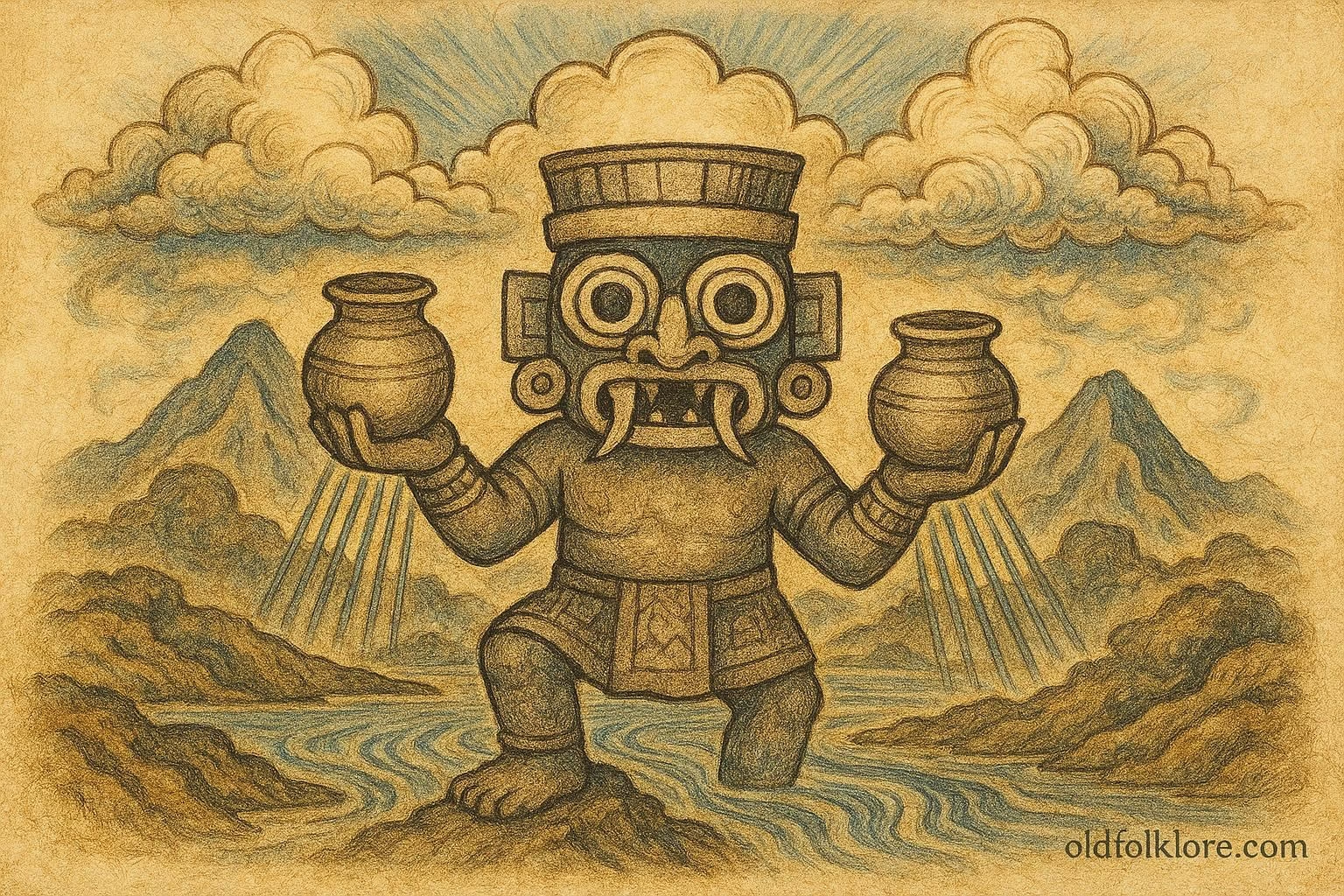
His image in codices is unmistakable: goggle-like blue eyes, gnashing fangs, and jaguar or serpent attributes. He is often shown carrying jars of sacred waters, each one containing a different type of rain, gentle showers for crops, nourishing mists, destructive hail, and devastating storms. Under his authority served the Tlālocan Teteo, or rain spirits known as the tlaloque, who acted as his helpers by opening the mountain caves that stored the world’s moisture.
Tlāloc’s worship was rooted in deep agricultural cycles. Children, believed to be spiritually pure and close to the rain spirits, were offered during certain ceremonies, as recorded in the Florentine Codex. Their tears were thought to summon rain, echoing the belief that sorrow could move the heavens. At temples like the Tlāloc shrine atop the Templo Mayor, prayers, incense, foods, flowers, and water-filled vessels were offered to honor his dual nature: the kindness of nurturing rains and the severity of floods and lightning.
Mythic Story
In the highlands of ancient Anahuac, where mountains rose like guardians of the sky and the earth’s lifeblood was maize, the Aztecs told of Tlāloc, the mighty lord of rain. They believed that every drop of water, whether gentle or fierce, was shaped by his will. Without him, the fields dried, the maize shriveled, and famine crept close. With him, life burst forth in emerald abundance.
One of the most sacred narratives preserved in the Florentine Codex describes the moment when the world learned the true power of Tlāloc’s dual nature.
In the early days, when humanity still walked cautiously through a world filled with hungry gods, the people climbed the slopes of Mount Tlaloc to offer maize dough, flowers, and copal resin. They came with humility, knowing that the god saw into the hidden chambers of earth where water dwelled. Tlāloc listened from within the mountain-cave springs, his goggle-eyes glowing in the blue depths. He held four great jars, each containing a different fate for the land.
The first jar held life-giving rain, soft and clear.
The second held mist and drizzle, the blessing that nourished tender shoots.
The third held hail and harsh winds, a warning that balance must be kept.
The fourth held storm and destruction, the roaring flood that swept fields clean.
One year, the people, weary from relentless dryness, pleaded for the blessing of the first jar. Their voices carried up the slopes like a river of sound. But the tlaloque, Tlāloc’s young rain spirits, warned that the offerings were insufficient, for the people had forgotten certain rites and neglected the mountain springs that fed their lakes.
When the god emerged, the sky darkened. His voice rumbled through the valley like thunder sprouting from stone.
“You ask for the gentlest waters,” he said, “yet the balance of the world has been disturbed.”
The people trembled, fearing the storm jar would soon be opened. Their priests stepped forward, carrying children dressed in blue feathers. As the chronicles tell, their tears, pure and sacred, fell freely, echoing the drought-stricken hopes of the community. In Aztec belief, the tears of the innocent softened Tlāloc’s heart, calling forth compassion from the divine. The valley grew silent, each breath held as if waiting for the sky itself to respond.
Then Tlāloc lifted the first jar and poured. The rain descended not as fury, but as blessing: warm, steady, and tender. Dust softened into fertile mud. The cracked earth drank deeply, and shoots of maize soon pierced the soil like green blades. The people sang praises that echoed through the canal systems and chinampa fields. For a time, abundance returned.
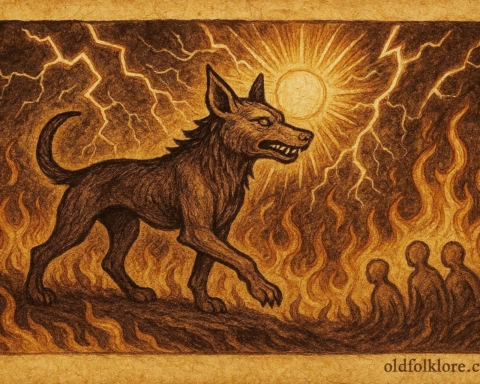
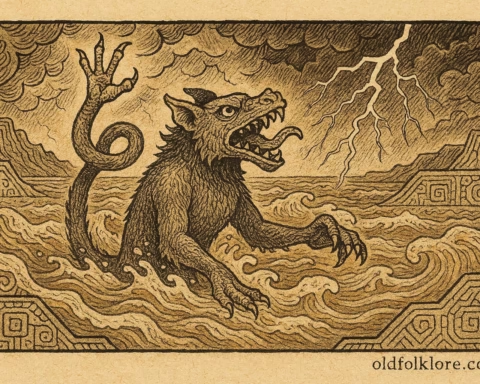
But the myth does not end with gentle rain. Later in the season, when the people grew complacent and ceased honoring the springs, Tlāloc’s patience waned. Clouds gathered. Thunder groaned across the valley. This time, the god opened the fourth jar. A tempest roared over fields and rooftops. Rivers surged beyond their banks, swallowing crops and reshaping the land.
Through this dual blessing and calamity, the people learned what their ancestors had always known: Tlāloc is not merely kind nor merely wrathful, he is balance itself. Life and destruction are two currents in the same divine stream. The maize that feeds the people grows only because it is held between these two powers.
After the storm, the surviving fields glistened with new moisture. The people rebuilt, carrying offerings to the mountain once more. They approached not just with fear, but with understanding. They prayed:
“Lord of Rain, who fills lakes and rivers,
Who brings both life and flood,
Teach us to honor the waters that shape our world.”
Their devotion rekindled harmony. The tlaloque danced in the clouds, and Tlāloc returned to his mountain seat, watching over the cycles of rain and renewal.
Thus, the myth of Tlāloc teaches that every blessing requires respect, and every storm holds hidden nourishment.
Author’s Note
Tlāloc’s myth reminds us that life depends on balance, between abundance and restraint, gratitude and humility. His waters nurture us, but they also demand respect, echoing the truth that all gifts of nature carry responsibilities. To honor Tlāloc is to honor the fragile harmony between human need and the living world.
Knowledge Check
Q1: What is Tlāloc the god of?
A: Rain, storms, lakes, and agricultural fertility.
Q2: What realm does Tlāloc rule?
A: Tlālocan, a paradise of eternal springs.
Q3: Who assists Tlāloc in releasing rain?
A: The tlaloque, young rain spirits.
Q4: What do Tlāloc’s four jars represent?
A: Four types of rain: gentle, misting, harmful hail, and destructive storms.
Q5: Where were major ceremonies to Tlāloc conducted?
A: At the Templo Mayor and mountain shrines.
Q6: Which primary source records Tlāloc’s rituals?
A: The Florentine Codex.
Source: Aztec Mythology (Florentine Codex), Central Mexico.
Source Origin: Aztec (Mexica), Central Mexico