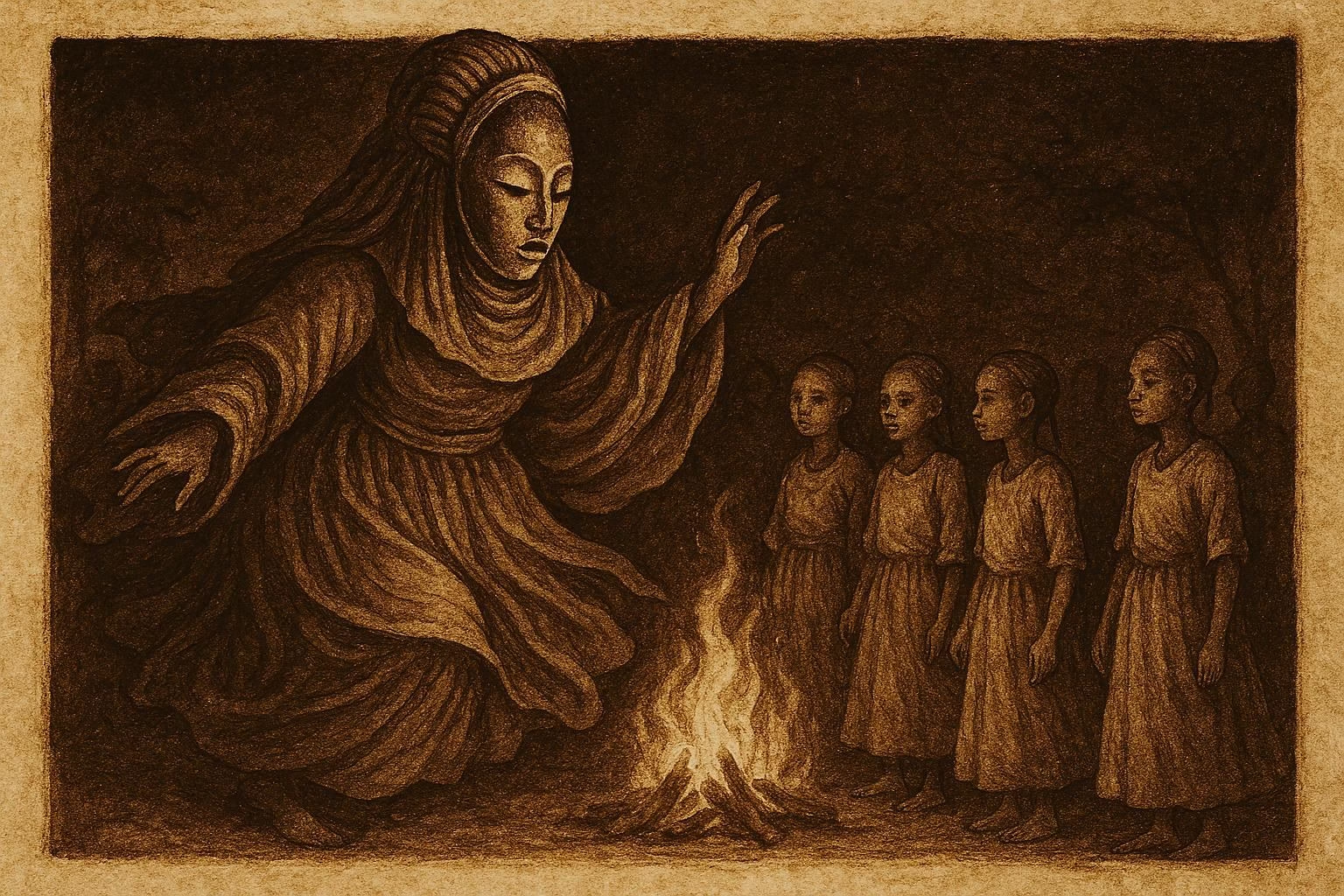
The Sande Society, called Bundu in some regions, is a women’s initiation institution found among the Mende, Vai, Gola, Kpelle, and related peoples of Sierra Leone, Liberia, Guinea, and Ivory Coast. It is one of the few traditional African institutions in which women hold exclusive ritual authority, preserving teachings that reach deep into ancestral memory. For generations, Sande has guided young girls into responsible adulthood through a blend of spiritual discipline, artistic expression, moral instruction, and communal celebration. Though its specific practices vary across regions and lineages, the society remains central to the cultural identity and spiritual worldview of many communities in the Upper Guinea Coast.
Description
Sande is traditionally entered through initiation, a carefully structured period that marks a girl’s transformation from childhood to womanhood. The process is neither spontaneous nor informal; it is a communal undertaking overseen by elder women who hold ritual titles and serve as guardians of ancestral knowledge. Initiates undergo a temporary seclusion, a liminal period away from the ordinary rhythms of village life, where they receive comprehensive instruction. During this time they learn songs, dances, moral principles, etiquette, craftsmanship, community obligations, and the expectations of adulthood. The learning is designed to produce self-discipline, social maturity, and emotional resilience.
Sande functions not only as a school but also as a spiritual sanctuary. It is where girls are taught the cosmological foundations of their people, including respect for ancestors, the sacredness of womanhood, and the responsibilities of maintaining harmony within the community. The teachings emphasize dignity, cooperation, modesty, and social responsibility. The period of instruction strengthens solidarity among initiates and deepens their connection to the lineage of women who came before them.
One of the most recognizable symbols of the society is the Bundu/Sande mask, a carved helmet mask worn by the masked figure known as the Sowei during public ceremonies. The mask is notable for its smooth, serene face, elaborate coiffure, downcast eyes, and ringed neck, all of which represent ideals of beauty, self-control, fertility, and spiritual depth. It is one of the few masquerades in West Africa performed by women, affirming the unique authority Sande holds in ritual performance.
At the end of the initiation, the girls return in a public celebration marked by dance, song, and the presence of the Sowei mask. Dressed in fine cloths and decorated with symbolic patterns, the initiates receive new names that acknowledge their transformation. Their reentry into society is a moment of pride: they emerge not only as individuals but as bearers of sacred teachings and members of a lineage stretching countless generations.
Mythic Connection
In Sande tradition, initiation is not merely a cultural milestone, it is a reenactment of mythic origins. The society traces its authority to ancient female ancestral spirits, sometimes described as primordial mothers or culture-givers who first taught women how to nurture fertility, maintain social unity, and uphold moral order. These spirits are believed to guide the elder women who lead the society, granting them wisdom and spiritual insight.
The Sowei mask itself embodies a mythic feminine power. Her idealized features represent the qualities believed to be bestowed by ancestral spirits: inner stillness, moral clarity, spiritual beauty, and disciplined strength. The downcast eyes suggest humility, while the ringed neck symbolizes connection to the water spirits associated with healing, fertility, and transformation. Thus, each performance of the Sowei is a living bridge between the physical world and the realm of mythic motherhood.
Through seclusion, instruction, and ceremonial reintegration, the initiation process mirrors the cycle of death and rebirth, a theme deeply rooted in West African cosmology. A girl symbolically “dies” to childhood and is “reborn” with a new identity, guided by the wisdom of ancient spirits. Sande therefore affirms the role of women as life-bearers, culture-keepers, and spiritual mediators.
Today, Sande continues to adapt to modern pressures, including religious change, urbanization, and evolving cultural values. Despite these shifts, its core meaning endures: it remains a vital institution that strengthens community bonds, preserves ancestral heritage, and honors the sacred power of womanhood.
Author’s Note
This article examines the Sande/Bundu Society as a foundational institution of women’s spiritual and social authority across the Upper Guinea Coast. It emphasizes the society’s role in guiding girls into adulthood through instruction, art, and ritual performance, and highlights the mythic and ancestral sources that legitimize its teachings. The summary reflects the cultural significance of the Sande mask, the symbolic transformation of initiates, and the enduring resilience of the institution in contemporary West African life.
Knowledge Check
1. What regions practice Sande?
Sande is practiced among Mende-related communities in Sierra Leone, Liberia, Guinea, and parts of Ivory Coast.
2. What is the purpose of Sande initiation?
It prepares girls for adulthood through moral instruction, cultural education, and spiritual transformation.
3. What is the Sowei mask?
A helmet mask with idealized features representing ancestral feminine power, used in Sande ceremonies.
4. How does seclusion function in initiation?
It provides a liminal space where initiates learn discipline, cultural values, and communal responsibilities.
5. What mythic role do ancestral spirits play?
They are believed to have authored the society’s teachings and continue to guide elder women.
6. How does Sande promote social continuity?
By transmitting cultural knowledge, reinforcing moral order, and affirming women’s spiritual leadership.