The Nalukataq Festival is an ancestral tradition rooted in the Iñupiat whaling communities of Northern Alaska. It began long before Western contact and developed alongside the rhythms of subsistence whaling on the Arctic coast. This festival emerged as a sacred way to honor the whale, the sea, and the divine forces that govern life in the far North. For the Iñupiat, survival depended on a respectful relationship with marine animals, particularly the bowhead whale. Thus, Nalukataq became a yearly expression of gratitude and reciprocity that tied the community to the spiritual beings who control the Arctic waters.
Description
Nalukataq is held after a successful spring whaling season. It begins with the distribution of whale meat and maktak by the whaling captains, who share their catch with every household. This act reinforces the belief that abundance must move through the community, never remain in one place. Generosity is a reflection of both leadership and spiritual duty.
Large tents are raised to shelter the community, and long tables are prepared for shared meals. Songs echo across the tundra as drummers guide dancers in traditional movements passed down for generations. The festival brings together relatives, neighboring villages, and guests who arrive to celebrate unity and survival.
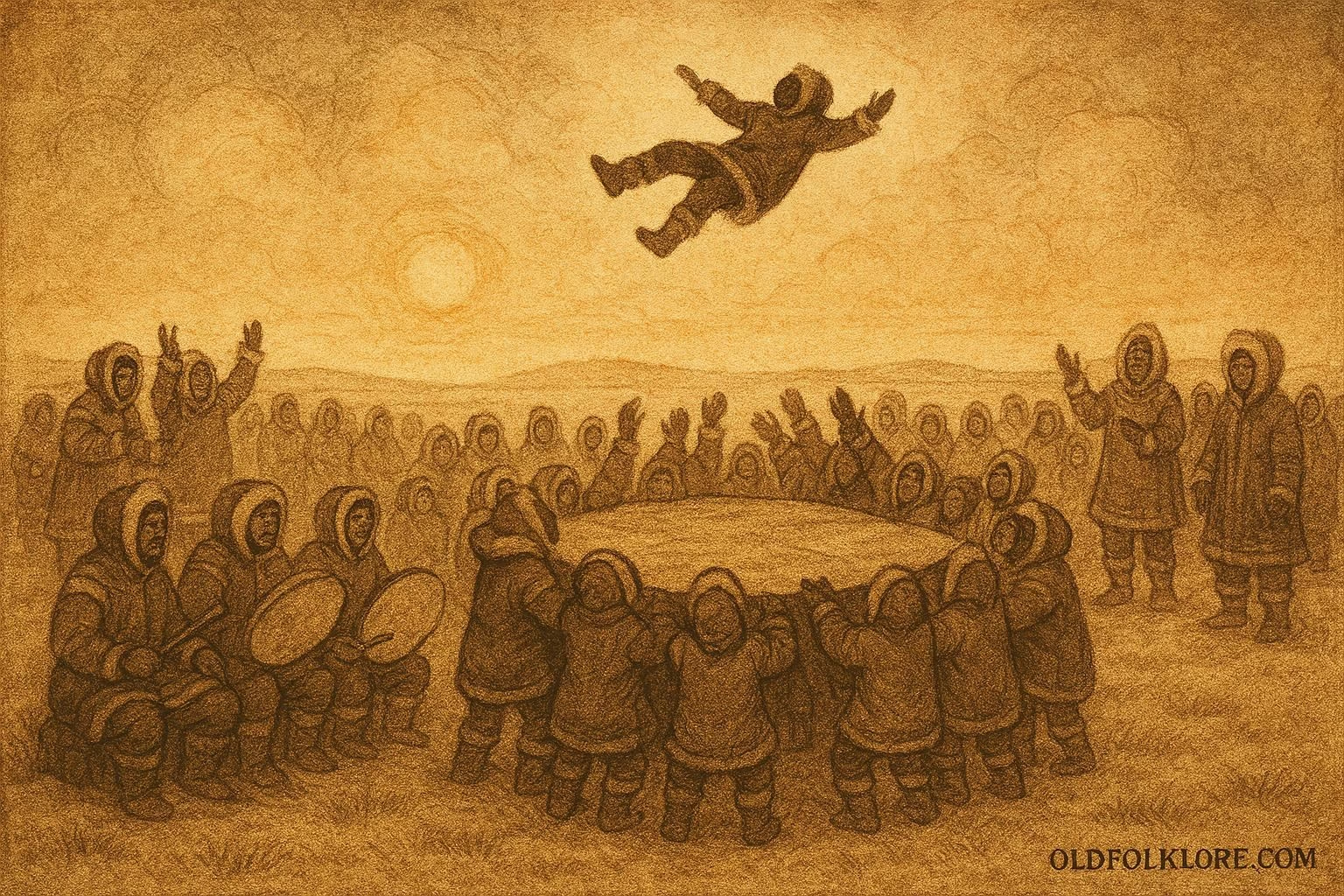
One of the most iconic moments is the blanket toss, or nalukataq. A large walrus-hide blanket is held tight by many hands. Participants are tossed into the air, sometimes reaching remarkable heights. Although now seen as a joyful display, its origins are ceremonial. Historically, the blanket toss symbolized lifting the spirits of hunters skyward so they could sight whales across the ice. Today, it expresses joy, gratitude, and a communal connection to the sky, wind, and sea.
Throughout the festival, whaling captains give speeches honoring their crew, ancestors, and the whale itself. Elders remind younger generations that whaling is not only a physical task but also a spiritual agreement. Every gesture from hunting preparations to the way whale meat is cut carries meaning. Nalukataq reinforces these values and ensures the knowledge continues.
Mythic Connection
In Iñupiat cosmology, animals are not mere resources; they are sentient beings with spirits and agency. The bowhead whale is especially sacred. Many traditional stories teach that whales choose whether to offer themselves to hunters. Because of this belief, whaling is approached with humility, discipline, and respect.
Nalukataq symbolizes a renewal of this spiritual bond. The festival expresses gratitude to the whale spirit, honoring its gift of life-sustaining nourishment. The Arctic sea is also regarded as governed by powerful spiritual forces, sometimes described as sea mothers or guardians who oversee the movement of animals. When the community celebrates Nalukataq, they are acknowledging these beings and reaffirming an ancient relationship based on reciprocity.
The blanket toss carries mythic weight. By lifting participants toward the sky, the community symbolically bridges the human world with the realm of spirits, air, and weather. The act echoes old beliefs that hunters could gain vision, blessing, or awareness from elevated sight. It also represents the uplifted spirit of the whale, rising toward the heavens as its body nourishes the people.
Nalukataq demonstrates how the Iñupiat see themselves as part of a larger ecological and spiritual system. Humans, animals, weather, sea ice, and divine forces interact in ongoing cycles. Gratitude keeps the balance. Through the festival, the community honors the past, celebrates the present, and prepares for the future.
Even today, Nalukataq remains a vibrant marker of cultural continuity. Despite technological change, climate challenges, and shifting lifestyles, the core values, gratitude, sharing, respect for nature, and spiritual balance, endure. The festival is not simply a celebration of a successful hunt; it is a living covenant between people, animals, and the Arctic world.
Author’s Note
This article explores the spiritual and cultural meaning of Nalukataq, emphasizing its role as a ceremony of gratitude, reciprocity, and ecological balance. It highlights the festival’s roots in Iñupiat cosmology, its social functions, and the sacred relationship between humans, whales, and the Arctic environment. The narrative reflects how ritual practices preserve identity and maintain harmony within both community and landscape.
Knowledge Check
1. What is Nalukataq?
It is an Iñupiat whaling festival that celebrates successful hunts and honors the whale and sea spirits.
2. Why is the blanket toss important?
It symbolizes spiritual elevation and reflects ancient practices used by hunters to gain vision or blessing.
3. What role does generosity play?
Sharing whale meat expresses gratitude, leadership, and the belief that abundance must circulate through the community.
4. How are whales viewed in Iñupiat belief?
Whales are sentient beings with spirits who may choose to offer themselves to hunters.
5. Why is the festival held after spring whaling?
It marks the end of the hunt, celebrates survival, and renews spiritual and communal ties.
6. How does Nalukataq support cultural continuity?
It preserves ancestral knowledge, reinforces community identity, and teaches respect for the environment.