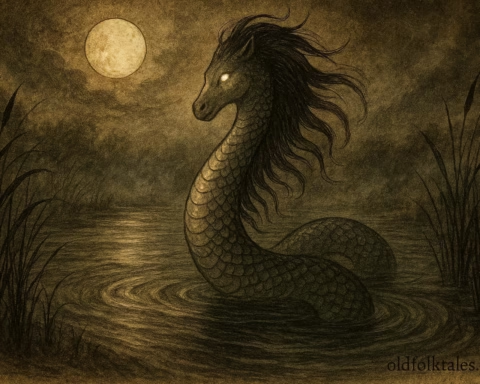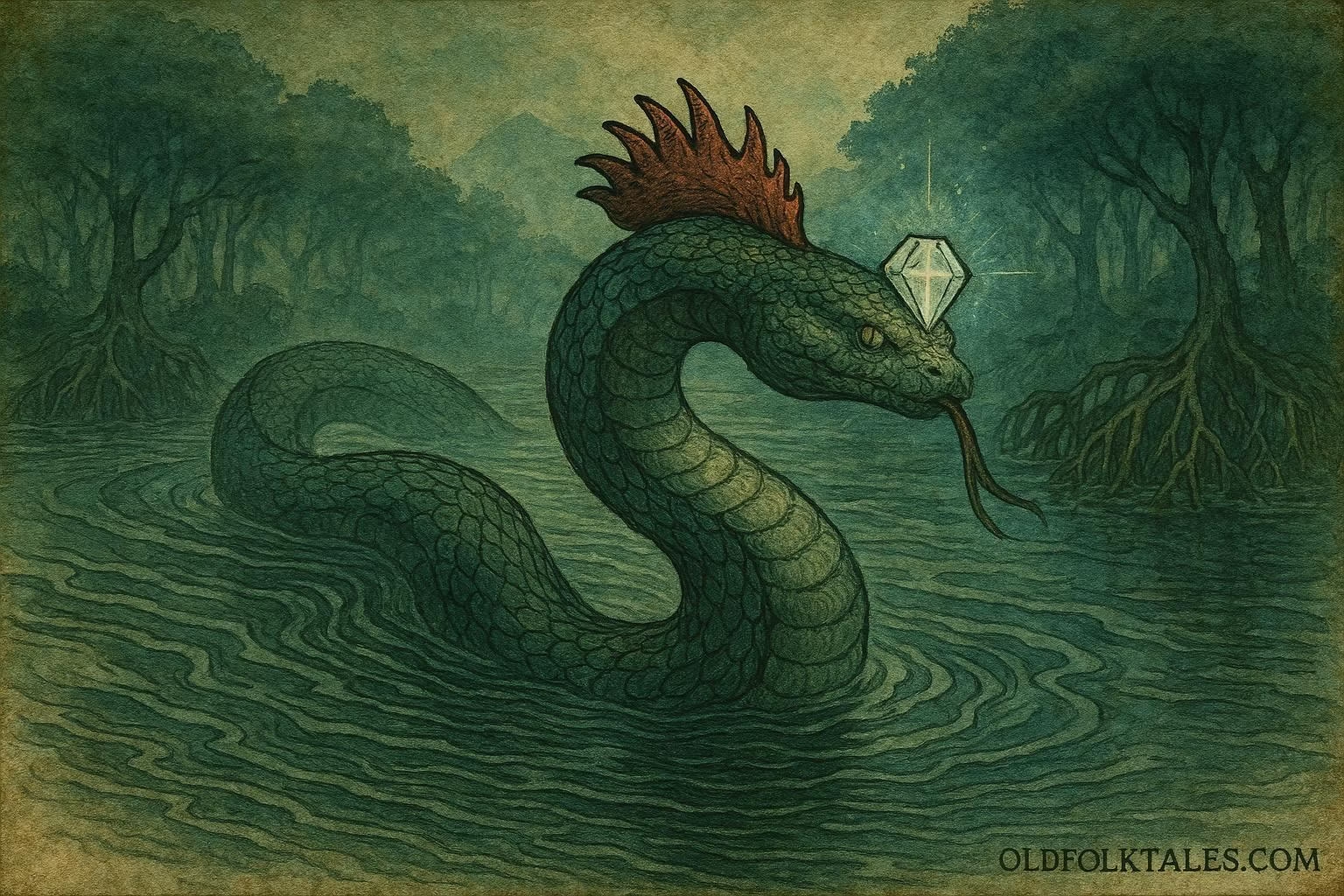
Deep within the riverine forests and mangrove channels of Southeastern Nigeria, the Efik people tell of Okukubarakpa, a monstrous serpent whose presence is both feared and revered. This creature is depicted as a gigantic, sinuous serpent, stretching for lengths that could span the width of a river. Its body is often described as scaly and iridescent, reflecting light with hues of green and blue, blending with the currents and shadows of its aquatic domain.
What distinguishes Okukubarakpa most strikingly is the diamond-like stone embedded in its forehead, said to glint in sunlight like a star on the water. This jewel is believed to hold the serpent’s power and is sometimes sought by ritual practitioners, though capturing or disturbing it is considered extremely dangerous. Crowning its head is a comb-like crest, reminiscent of a rooster, which adds to its awe-inspiring silhouette and may symbolize vigilance and territorial authority.
Accounts of Okukubarakpa vary. Some describe it as aggressive, attacking fishermen or riverine towns that fail to observe rituals or respect the river. Others emphasize its spiritual or sacred role, asserting that it governs certain waterways, ensures the fertility of aquatic life, and guards hidden treasures or sacred river sites.
The creature moves with serpentine grace, gliding silently beneath the water, leaving only subtle ripples or sudden eddies as signs of its presence. In Efik tales, those who observe the diamond glinting atop its head may gain foresight or spiritual insight, but only if approached with ritual purity and humility.
Behavior and Powers
Okukubarakpa embodies both physical might and spiritual authority, reflected in its powers and behavior:
- Territorial Dominance: The serpent claims stretches of river and lagoon as its domain. Disrespecting these territories, fishing without ritual, polluting the waters, or attempting to capture the diamond, can provoke devastating floods, whirlpools, or illness.
- Mystical Abilities: The diamond-stone is said to channel magical energy. Some Efik tales claim that Okukubarakpa can manipulate water currents, summon storms, or communicate silently with select humans via dreams and visions.
- Harbinger of Prosperity or Misfortune: When treated with respect, Okukubarakpa is a guardian of riverine abundance. Fishermen might find their nets full, rivers teeming with fish, or crops nourished by the waters it oversees. Conversely, disrespect invites scarcity, sickness, and disaster.
- Shape-Shifting and Camouflage: While most depictions describe a massive serpent, some accounts suggest that Okukubarakpa can disguise itself as floating logs, reeds, or shadows, enabling it to observe humans without revealing its full presence.
Myths and Beliefs
The River Town That Ignored the Serpent: A common narrative tells of a fishing village that ignored the rituals honoring Okukubarakpa. One night, the river rose unnaturally; nets tore, canoes capsized, and mysterious whirlpools appeared. The villagers realized they had failed to pay homage and offered sacrifices to the river and the serpent. Only then did the waters calm, illustrating the creature’s role as a spiritual enforcer.
The Diamond-Stone Quest: In some stories, a brave or foolish warrior attempts to claim the serpent’s diamond. The tale warns that hubris and greed bring death, as the serpent either drags intruders underwater or blinds them with the gem’s mystical radiance. The story reinforces the moral of humility and respect for sacred natural forces.
The Rooster Crest and Vigilance: The rooster-like crest is often interpreted symbolically: just as roosters herald the dawn, Okukubarakpa’s crest marks the ever-present watch over human behavior. Observing the crest in reflective water is considered a divine warning or message.
Cultural Role
Okukubarakpa embodies several layers of symbolic and moral meaning within Efik society:
- Spiritual Governance of Rivers: Rivers were central to Efik life, providing fish, transport, and fertile lands. Okukubarakpa symbolizes the spiritual authority and sacredness of waterways, encouraging sustainable practices.
- Moral Enforcement: The tales instill respect for communal rules, rituals, and environmental ethics. Transgression invites swift consequences, making the serpent a moral guardian.
- Source of Wealth and Mystery: The diamond in its head represents both material and spiritual wealth. Only those who approach with reverence may benefit, highlighting the interplay of fortune and ethical conduct.
- Symbol of Power and Fear: The combination of physical threat and mystical abilities reflects the dual nature of natural forces, capable of nurturing yet destructive when disrespected.
Encounter dragons, spirits, and beasts that roamed the myths of every civilization
Author’s Note
Okukubarakpa is more than a “monster” in the Western sense. It is an ecological, moral, and spiritual figure, deeply intertwined with the Efik worldview. By documenting the serpent’s characteristics, powers, and associated rituals, this entry honors the cultural significance of a being that safeguards rivers, teaches humility, and connects people to the spiritual fabric of the landscape.
Knowledge Check
- What physical features distinguish Okukubarakpa?
A massive serpent with a diamond stone in its head and a rooster-like comb crest. - Why do rivers and towns fear disrespecting it?
Because it governs waterways and can bring floods, whirlpools, or misfortune. - What does the diamond-stone symbolize?
Mystical power, spiritual insight, and ethical testing. - How is Okukubarakpa usually observed?
Through subtle ripples, floating shadows, or the glint of its diamond and crest. - What moral lesson do the Efik stories convey?
Respect sacred natural forces and act with humility toward the environment. - Can Okukubarakpa bestow benefits on humans?
Yes, those who honor it may receive river bounty, protection, or spiritual insight.
Source: Compiled from Efik oral narratives, anthropological accounts, and early ethnographies on Cross River folklore.
Origin: Efik people, Southeastern Nigeria