Calan Mai, known in English as May Day, is one of Wales’ oldest seasonal celebrations. Rooted in the wider Celtic Beltane tradition, it marked the arrival of summer, a turning point in the ritual calendar when the forces of winter weakened and the land awakened. For early Welsh communities, this day represented a spiritual threshold. It signaled renewed fertility for the earth, livestock, and human society, while opening a liminal moment when supernatural powers were believed to move freely across the landscape.
Description
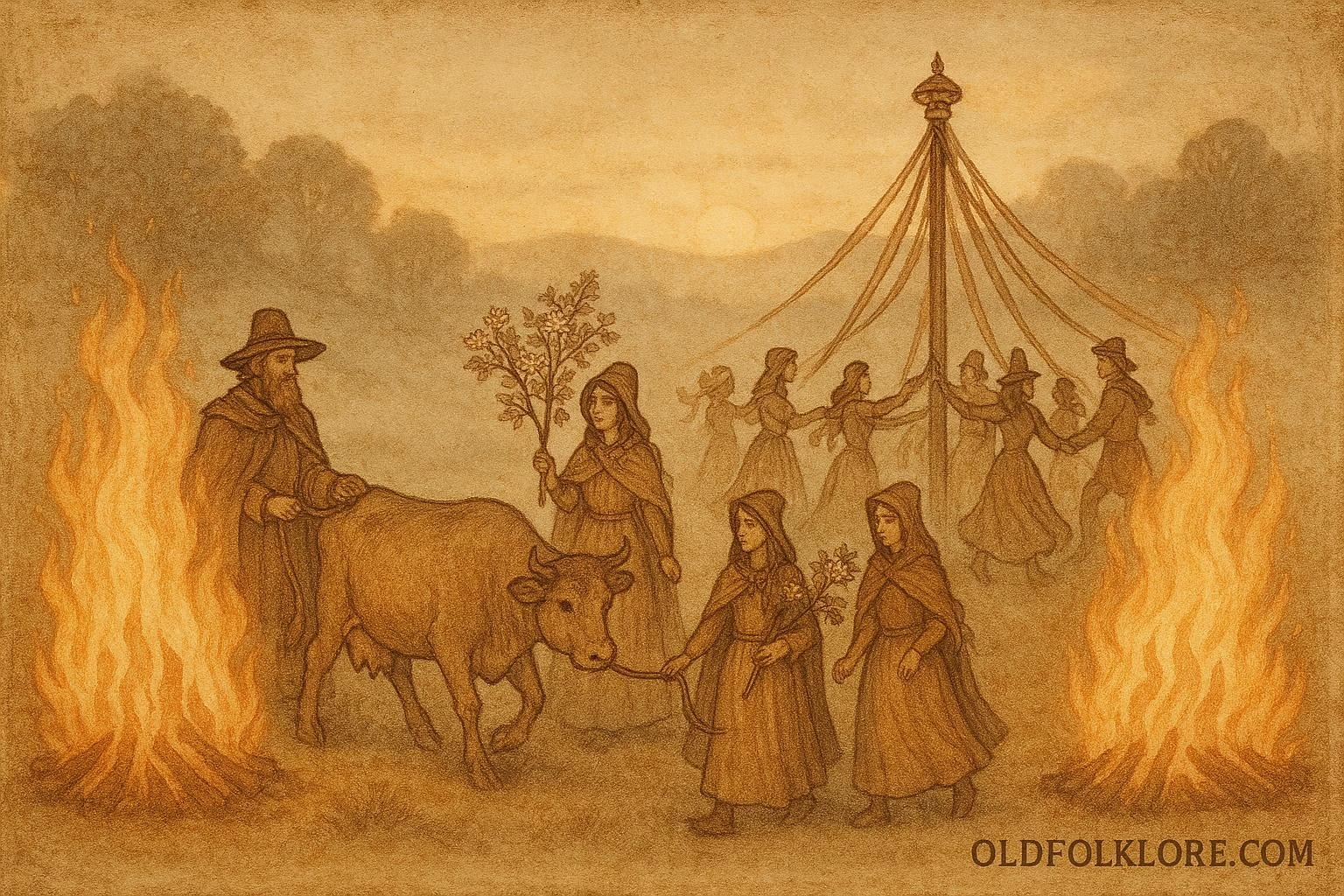
For centuries, Welsh villages prepared for Calan Mai with a mixture of festivity and sacred duty. The heart of the tradition was the lighting of twin bonfires, which stood on either side of a designated path. Cattle were driven between them to protect the herds from illness, misfortune, or harmful spirits. This act of purification was not symbolic alone; it reflected a deep agricultural dependence on healthy livestock and the belief that fire carried a divine cleansing power.
As the fires burned, communities gathered branches and flowers to decorate their homes. Hawthorn, a plant long tied to protection and the Otherworld, played an important role. Young people collected fresh branches at dawn, weaving them into circles or placing them above doorways. In some regions, the first person to bring hawthorn into the village was celebrated as a bearer of luck for the coming season.
Another prominent element was Maypole dancing, though its presence varied across Welsh regions. Where it appeared, the pole served as a symbol of seasonal vitality, with dancers weaving ribbons in spiraling patterns that mimicked the cyclical movement of nature. Village greens became gathering places filled with music, laughter, and communal games. These celebrations strengthened social bonds, providing a moment of shared hope as the community prepared to enter the productive summer season.
Food traditions were equally significant. Families prepared early summer feasts using dairy products, symbols of seasonal plenty. In some accounts, special cakes or bannocks were baked for communal sharing, echoing the Celtic emphasis on hospitality and abundance.
Mythic Connection
Calan Mai is deeply connected to the wider Celtic cosmology surrounding Beltane. At its core lies the eternal struggle between the forces of winter and the brightness of summer. Fire was the sacred tool by which communities affirmed the rising strength of the sun. By guiding their cattle through the twin flames, the Welsh reenacted an ancient mythic belief: that the sun’s returning power could repel harmful forces threatening life and prosperity.
The use of hawthorn reveals another layer of meaning. Across Celtic stories, hawthorn stands at the boundary between the mortal world and the Annwn, the Welsh Otherworld. Spirits were thought to be especially active during liminal periods, including seasonal transitions. Decorating homes with hawthorn was therefore both protective and symbolic. It acknowledged the presence of unseen beings while placing human communities under the guardianship of nature’s protective powers.
In many Welsh folk accounts, Calan Mai was also the stage for symbolic battles representing the shift from winter to summer. Some villages held mock fights or games between two figures, one representing the cold season and the other embodying warmth and growth. These dramatizations mirrored Celtic mythic cycles in which youthful gods of growth, light, and fertility overcame the harshness of winter.
The agricultural importance of the festival cannot be overstated. For ancient and medieval Welsh communities, survival depended on the health of livestock and the fertility of fields. Calan Mai therefore acted as a covenant between people and the natural world. Through fire rites, floral rituals, and communal celebration, participants honored the divine forces responsible for sustaining life as the year turned toward its most fruitful months.
Even after Christianization, many of these practices endured. Though their meanings shifted, the deeper spiritual logic of purification, protection, and seasonal renewal remained woven into Welsh cultural identity.
Author’s Note
This article explores the traditional Welsh celebration of Calan Mai, focusing on its origins in Celtic Beltane customs and its enduring cultural meaning. It highlights how fire, flowers, and seasonal rituals expressed an ancient belief in the power of nature, the importance of community, and the protective forces that shaped the agricultural year.
Knowledge Check
1. What is the cultural origin of Calan Mai?
Calan Mai originates from Wales and is part of the broader Celtic Brittonic tradition, aligned with the Beltane festival marking the onset of summer.
2. Why were twin bonfires important?
They purified and protected livestock by guiding them between flames believed to carry cleansing and supernatural safeguarding power.
3. What plant held special significance during Calan Mai?
Hawthorn, used to protect homes from spirits and symbolize the connection between the human world and the Otherworld.
4. How did Welsh communities symbolize the victory of summer over winter?
Through fire rituals, floral decorations, and sometimes staged battles representing the seasonal triumph of warmth and fertility.
5. What role did Maypole dancing play?
It celebrated seasonal vitality and community unity, with dancers weaving ribbons in patterns symbolizing cyclic natural renewal.
6. Why is Calan Mai considered a liminal time?
Because it marked the transition between seasons, a period when spiritual forces were believed to be especially active and influential.