
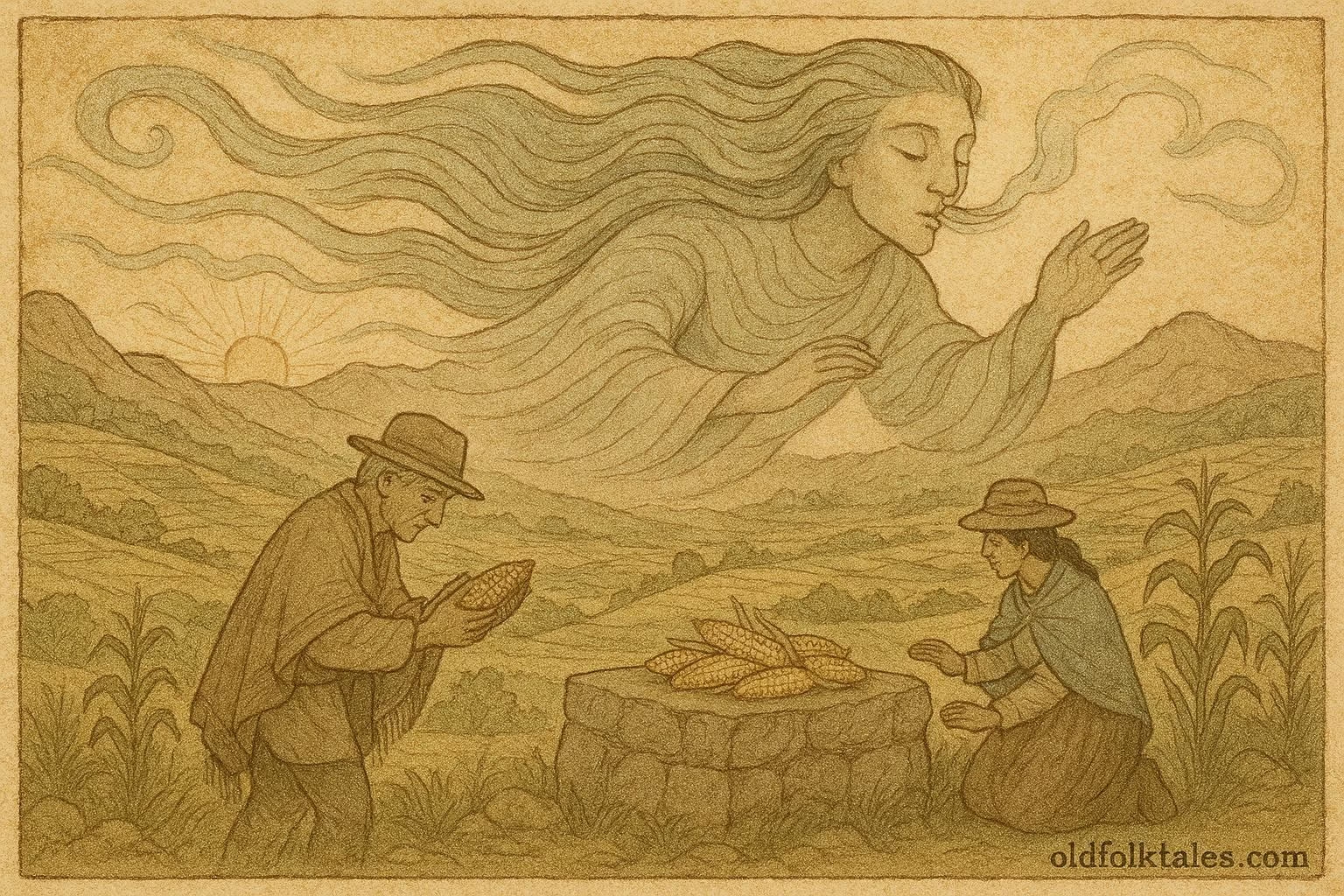
In the high plains of the Ecuadorian highlands where the grass bends in long golden sheets and the mountains rise like ancient giants, the people have always listened to the wind. They say the wind is never simply moving air but the breath of a presence much older than any of the villages scattered across the slopes. The elders call this presence the Chilalo Wind Singer who sings along the ridges before dawn and sleeps inside the mountain passes when night deepens.
According to the old Kichwa storytellers, the Chilalo Wind Singer was once a guardian who shaped the seasons with the sweep of his voice. When he breathed softly the mist parted over the crops and the barley grew straight and strong. When he hummed his long tune the rains came gently and rested upon the soil. When he whispered across the cliffs the frost lifted and the farmers walked confidently into the dawn. But when his song was interrupted when the people forgot their offerings or treated the land carelessly the Chilalo Wind Singer let loose his storm chorus which carried thunder across the valleys and punished the negligent.
One such story is told about a small village nestled between two mountain shoulders. The village was known for sharing its harvests with travelers and for holding yearly ceremonies for Chilalo. The people would place baskets of maize on a stone altar overlooking the valley and thank the spirit for carrying sweet air across their fields. Every year the ceremony took place at the turning of the seasons when the winds shifted direction like a quiet promise.
Discover the gods, goddesses, and divine spirits who ruled the heavens and shaped human fate
For many generations the ritual was honored, and the village prospered. Crops thrived even when other communities struggled. Herd animals grew strong. Children learned to read the wind as if it were another family member speaking to them. When the wind brushed warm against their cheeks they knew Chilalo was pleased.
However, as time passed some villagers became less attentive to the old ways. A new leader was chosen who believed the wind moved only by natural laws. He told the people that rituals were unnecessary. He discouraged the offerings and said the village should focus on trade and building wealth rather than singing to the invisible forces of the mountain. Many followed his words. A few resisted and continued the ritual quietly at home but the communal ceremony fell silent.
The first season without the ritual felt unusual. At night the wind seemed restless and sharp. It rattled the wooden doors more than usual. Dogs barked at empty air. Elderly women whispered that Chilalo was searching for his offering. Still the leader insisted that nothing supernatural existed.
Then the storms began though the sky had shown no sign of them the day before. A fierce wind descended from the high ridges sharper than any remembered wind. It tore through the fields, flattening barley and scattering roof tiles. Herd animals panicked and ran in circles. Travelers who tried to walk across the ridge swore they heard an immense voice echoing between the mountains. It was not angry shouting but a great lament as if the wind itself mourned the broken bond with the people.
The villagers gathered in fear. The new leader tried to explain the storm as simple coincidence but even he trembled when the wind carried the strange whistling song of the Chilalo Wind Singer. It grew louder each day until the nights were filled with a chorus that no human voice could have created.
Finally, a young girl named Amaru stepped forward. Her grandmother had taught her the old ceremony, and she remembered every word. She believed that Chilalo was not punishing them out of cruelty but calling them back to balance. She gathered the children and encouraged them to help her place baskets of maize, beans, and small carved wooden flutes on the stone altar. She led them up the mountain path even as the wind pushed hard against their steps.
When they reached the altar Amaru raised her voice and sang the song of gratitude her grandmother had taught her. The children joined in. Their voices rose unsteadily against the roaring wind. At first it seemed their singing would be swallowed entirely by the storm. But then a change came. The wind shifted from violent gusts to a long trembling hum as if listening.
The hum softened. The clouds lifted. The winds circled the altar gently and carried the offering away into the distance. Down in the village people watched in amazement as the skies cleared. The storm stopped as suddenly as it had begun.
Amaru returned home as a hero and the elders declared that the ritual would never again be abandoned. From that year onward the ceremony returned with greater devotion than before. It became a reminder that the bond between humans and nature must be cared for with respect.
The villagers say that on quiet mornings when the first light touches the high grass a warm wind glides across the fields. It carries a faint tune that no voice can imitate. Those who hear it bow their heads and whisper their gratitude to the Chilalo Wind Singer who still watches the seasons and who still remembers when the people forgot him.
Author’s Note
This tale reflects the deep relationship between the Kichwa highland communities and the natural forces surrounding them. The Chilalo Wind Singer represents the living spirit of the land and teaches that gratitude and balance are essential for harmony with the seasons.
Knowledge Check
-
What happens when the villagers neglect their ritual for Chilalo? The winds turn violent and destructive.
-
Why does Amaru decide to climb to the stone altar? She believes the ritual will restore harmony with Chilalo.
-
What offering do the children bring to the altar? Baskets of maize, beans, and carved wooden flutes.
-
How does the Chilalo Wind Singer show that he is listening to the ritual again? The storm softens and the winds carry the offering gently away.
-
What lesson does the village learn after the storm ends? They learn that traditions and gratitude maintain balance with nature.
-
When do villagers hear Chilalo’s faint song? During quiet mornings when the first light touches the high grass.






