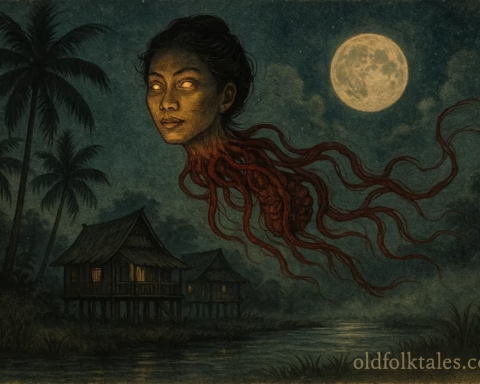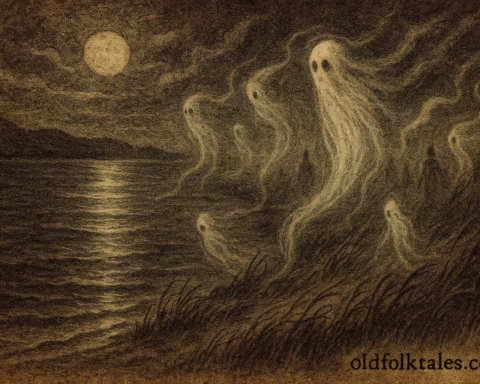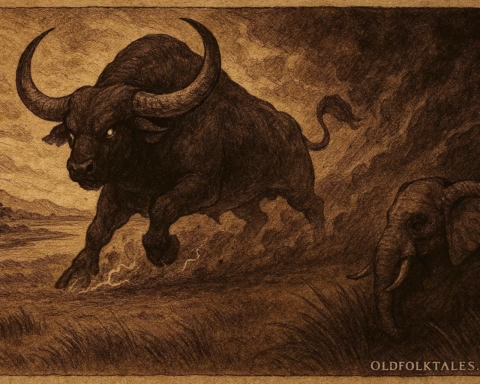
Chimimōryō is not a single creature but a catch-all classification for spirits, monsters, or demons associated with natural landscapes. It serves as a mythological umbrella for entities blamed for strange occurrences or misfortune in the wild.
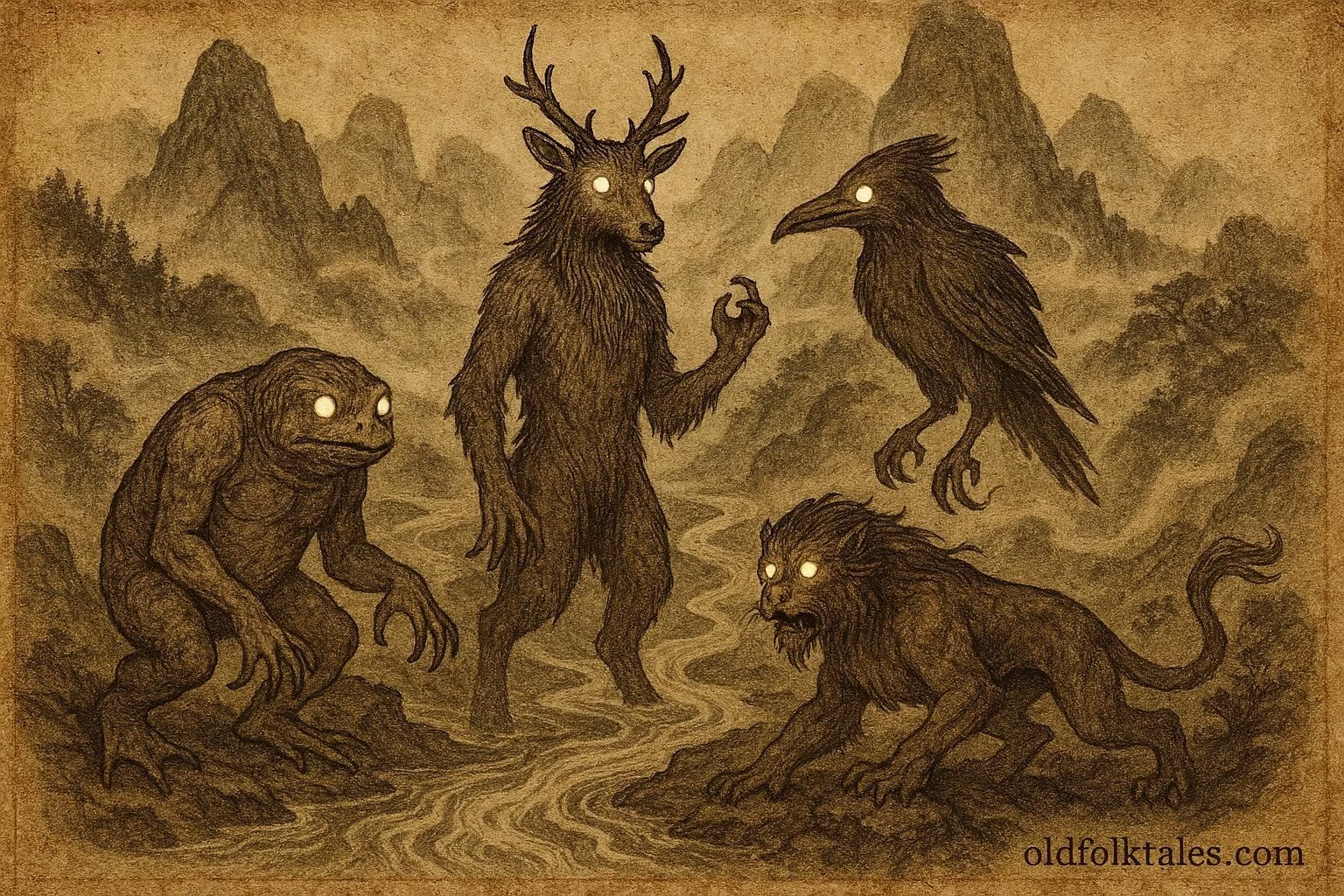
Physical appearance: Because Chimimōryō is a category term, appearances vary widely. Descriptions in classical sources include:
- Humanoid spirits with exaggerated, eerie features
- Animal-human hybrids (e.g., mountain beasts with human faces, river serpents with limbs)
- Disembodied forms, shadows, or vapor-like entities
- Shapeshifting forms that can appear as harmless animals, plants, or environmental phenomena
Habitat:
- Mountains: Chimimōryō of peaks often embody the dangers of altitude, cliffs, and forest wilderness
- Rivers and marshes: Spirits inhabit bodies of water, swamps, and lakes, sometimes causing drownings or accidents
- Forests and liminal zones: Serve as agents of misfortune, luring travelers, or guarding sacred natural sites
Behavior and powers:
- Generally malevolent or mischievous, though some may be neutral depending on context
- Responsible for misfortune, illness, or psychological distress
- Associated with natural hazards: floods, landslides, poisonous plants, animal attacks
- Capable of shapeshifting, illusion, or vanishing at will
- Some specific Chimimōryō can be propitiated or appeased with offerings, linking them to ritual and folk practices
Interaction with humans:
- Often blamed for accidents or misfortune in mountainous, forested, or watery regions
- Stories serve as warnings for travelers to respect nature and liminal spaces
- In Japan, incorporated into yōkai folklore as minor spirits with narrative episodes in literature, emphasizing morality or cautionary lessons
Cultural Role
- Natural Symbolism: Chimimōryō embody the power and unpredictability of nature. Mountains, forests, and rivers were dangerous for pre-modern societies, and these spirits represent personifications of environmental hazards.
- Moral Lessons: Tales of Chimimōryō often teach respect for the natural world and proper behavior in liminal spaces. Travelers who trespass carelessly may encounter these spirits, reinforcing ethical conduct and caution in risky environments.
- Mythological Taxonomy:
- In China, Chimimōryō appears in chronicles as part of a cosmology in which natural features house spirits: mountains, rivers, forests, marshes all contain beings that can influence human affairs.
- In Japan, Heian- and Edo-period encyclopedias (Wakan Sansai Zue, Hyakki Yagyō Emaki) categorize Chimimōryō alongside other minor supernatural creatures, forming the backbone of yōkai classification systems.
- Ritual and Folk Practice:
- Communities sometimes offered food or rituals to placate spirits inhabiting dangerous areas.
- The concept also influenced literary and artistic imagination, inspiring depictions in scrolls, paintings, and story collections, often emphasizing ethereal, mysterious, or monstrous qualities.
- Cross-Cultural Transmission:
- The Chinese concept of Chimimōryō migrated to Japan and became foundational in Japanese spirit classification, retaining its association with mountains and waters while blending with indigenous beliefs and local yokai traditions.
Historical Context
- China (pre-Qin to Han dynasties, >2000 years ago): The earliest mentions in chronicles identify mountain and water spirits responsible for misfortune; these references appear in folklore compendia and moralistic texts.
- Japan (Heian period onward): Terms Chimi and Mōryō appear in encyclopedias and literature as mountain or river demons, influencing Edo-period yōkai culture.
- Artistic legacy: Chimimōryō appear in scrolls, illustrated bestiaries, and literature, often as shadowy or hybrid forms, emphasizing their connection to wilderness and liminality.
- Modern folklore studies: Scholars analyze Chimimōryō as proto-yōkai classifications, showing continuity from ancient Chinese natural-spirit cosmology to Japanese folk taxonomy.
Variant Note
- Chimi: Typically, mountain or forest spirits
- Mōryō: Typically, river or swamp spirits
- Physical form: Highly variable; can be humanoid, animalistic, hybrid, or purely supernatural (fog, mist, shadows)
- Behavior: Malevolent, mischievous, or neutral depending on context
- Regional naming: China (Chimimōryō general term), Japan (Chimi/Mōryō split)
- Cautionary function: Many tales emphasize safe travel, respect for wilderness, and proper ritual conduct
Authenticity Assessment
- Ancient textual evidence: The term is attested in Chinese chronicles, with over 2000 years of literary references.
- Cross-cultural continuity: Adopted and systematized in Japanese folklore, incorporated into yōkai taxonomy.
- Not a modern invention: Both Chinese and Japanese sources indicate longstanding oral and literary traditions.
- Cultural significance: Reflects human attempts to understand natural hazards, liminality, and the supernatural, making Chimimōryō a foundational concept in East Asian spirit cosmology.
Explore the mysterious creatures of legend, from guardians of the sacred to bringers of chaos
Author’s Note
Chimimōryō exemplifies how mythic categories, rather than individual monsters, structure folklore and cosmology. These spirits embody the human tendency to personify danger, uncertainty, and liminal spaces in nature. By examining Chimimōryō, one sees the continuity of myth across cultures, from Chinese natural-spirit cosmology to Japanese yōkai taxonomy, emphasizing human interaction with wilderness, the moral order, and the unknown. The term’s flexibility illustrates how ancient cultures organized knowledge of spirits and monsters within natural geography.
Knowledge Check
- Q: What types of environments do Chimimōryō inhabit?
A: Mountains, forests, rivers, and marshes. - Q: How do Chimimōryō differ in China and Japan?
A: China: umbrella term for malicious spirits; Japan: split into Chimi (mountains/forests) and Mōryō (rivers/swamps) as part of yōkai taxonomy. - Q: Are Chimimōryō individual creatures?
A: No; they are a class of spirits with highly variable forms. - Q: What moral or practical lesson do Chimimōryō stories convey?
A: Respect for wilderness, caution in liminal spaces, ethical behavior around natural hazards. - Q: How old is the Chimimōryō concept in China?
A: Over 2,000 years, appearing in pre-Qin and Han dynasty chronicles. - Q: What artistic media depict Chimimōryō?
A: Scrolls, illustrated encyclopedias, Edo-period yōkai paintings, and literary texts.
Source:
Primary: Ancient Chinese chronicles; classical Japanese encyclopedias (Wakan Sansai Zue).
Secondary: Wikipedia entries on Chimimōryō, scholarly folklore studies on Chinese and Japanese spirit taxonomy.
Origin: China and Japan; earliest Chinese references date back over two millennia, where the term referred to malicious spirits inhabiting mountains, forests, rivers, and marshes. In Japan, during the Heian period (8th–12th centuries), the concept was adapted into yōkai taxonomy, where Chimimōryō encompassed mountain and water demons, spirits of liminal natural spaces, and minor supernatural entities.