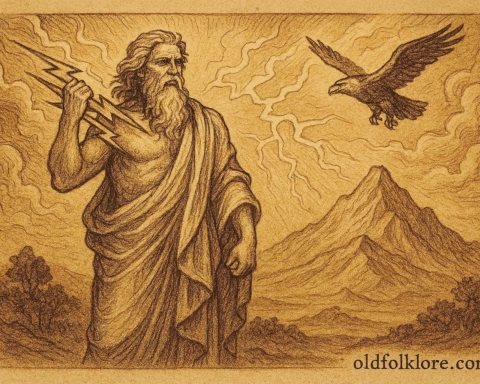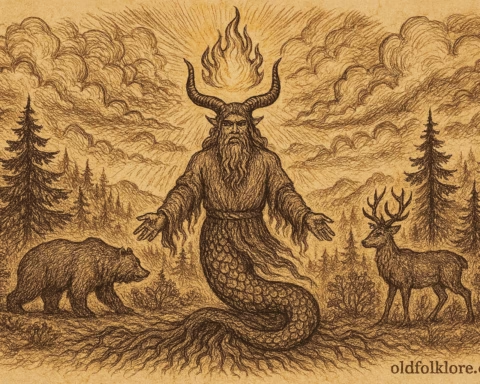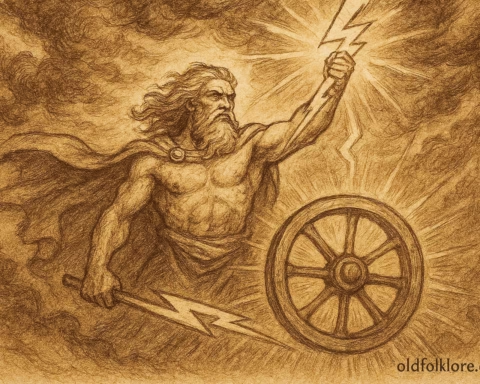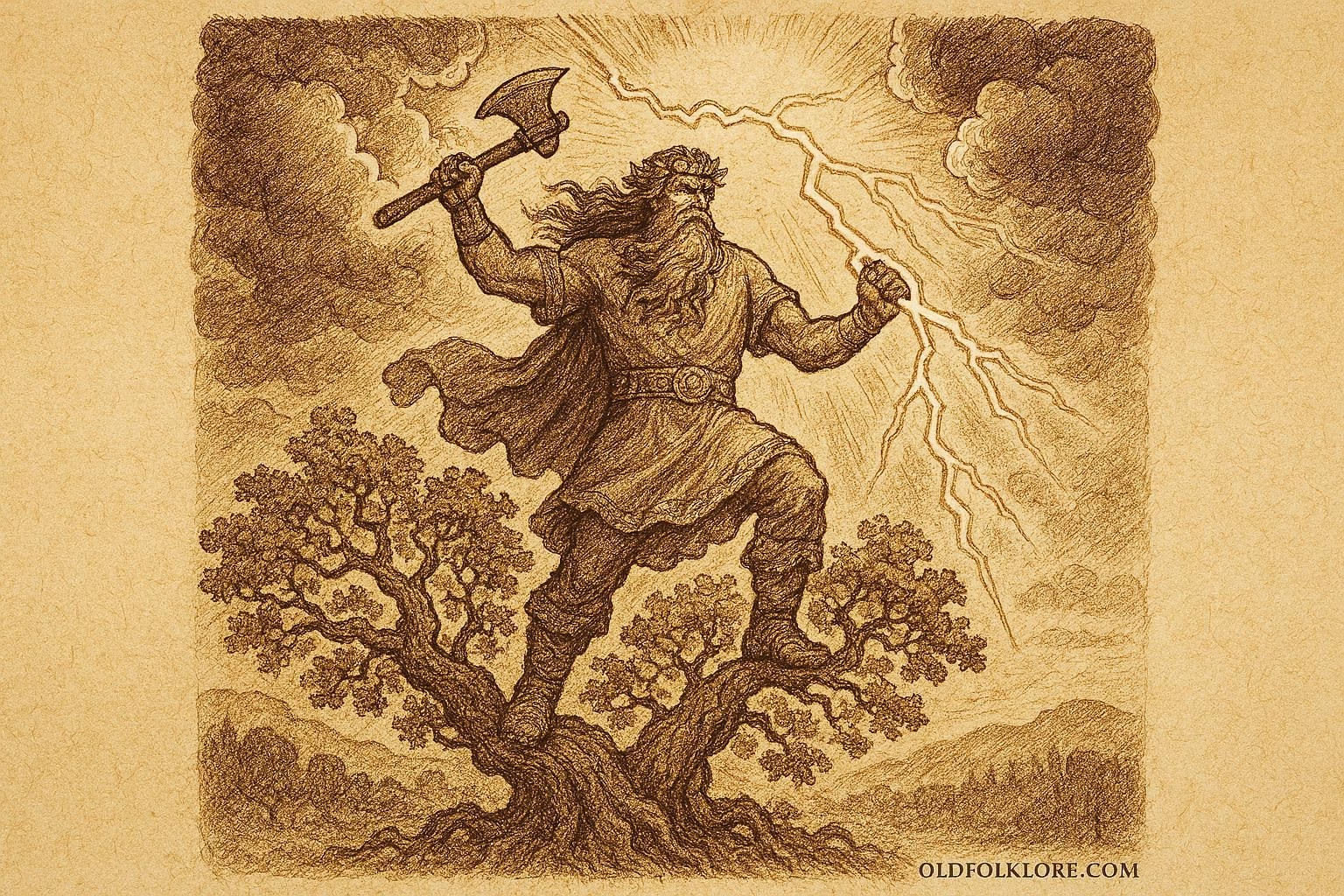
Perun, the chief thunder god of the Slavic pantheon, embodies the might of the storm and the sanctity of law. Wielding a mighty axe or hammer, he strikes with thunder and lightning, enforcing justice and protecting the natural and moral order. Perun is often depicted atop a sacred oak or mountain, his eyes flashing like the sky in tempest. He maintains cosmic balance through his eternal struggle with Veles, the serpent-like god of chaos and the underworld. Shrines and hilltop groves were dedicated to him, where offerings of fire, weapons, and livestock were presented to honor his power. Perun’s symbols, the axe, hammer, oak tree, and lightning, represent strength, vigilance, and moral authority.
Mythic Story
In the age when the earth was young and the Slavic tribes still named their seasons by signs in the sky, the world was divided between the forces of order and chaos. Perun, shining atop the tallest oak in the forest, surveyed the world beneath him. From the depths of the underworld, Veles, the serpent of deceit, slithered with malice in his eyes, jealous of the mortal wealth, livestock, and sacred treasures under Perun’s protection.
Time and again, Veles would rise, snaking through the forests and rivers, stealing cattle, treasures, or even women from the villages below. The people, frightened by sudden misfortune and loss, called upon Perun to restore balance. Thunder rolled across the valleys as Perun’s anger manifested, the sky darkening with storm clouds, and the earth trembling beneath the weight of divine justice.
One fateful year, Veles dared to steal a herd of sacred cattle from a prosperous village. As he slithered through the night, the villagers awoke to a distant rumble. Lightning illuminated the silhouette of Perun atop his oak, his axe held high, crackling with celestial fire. With a mighty shout, the god hurled his weapon through the tempest, striking Veles as he writhed across the forest floor. The serpent hissed and twisted, evading the strikes with shapeshifting cunning, but Perun’s relentless assault eventually forced him back into the chasms of the underworld.
The battle between Perun and Veles was more than a contest of strength; it was the cosmic drama of law against chaos. With each bolt of lightning, Perun restored stolen wealth, returned the lost cattle, and reaffirmed the sacred oaths of the people. As storms passed, the land thrived once more, rain nourishing crops and rivers swelling with life. Villagers honored Perun with fire offerings and placed weapons at the roots of oaks, symbols of their gratitude and recognition of his eternal vigilance.
Legends tell that this celestial duel is eternal. Perun strikes when Veles attempts to disrupt the harmony of earth and sky, his lightning marking the boundaries of moral and cosmic law. The sound of thunder reminds the people that justice is ever-watchful, and the rain that follows sustains life and order. Thus, Perun is not merely a god of storms; he is the guardian of ethical balance, the divine enforcer who punishes deceit and rewards respect for cosmic law.
In East Slavic tradition, Perun is called Perúnŭ; in South Slavic regions, he appears as Perun or Perunovi. Over centuries, Christian influence merged his thunderous power with that of St. Elijah, preserving the god’s fiery justice under a new guise, yet the essence of Perun as the wielder of lightning and protector of oaths endures in folklore, place names, and ceremonial memory.
Discover the gods, goddesses, and divine spirits who ruled the heavens and shaped human fate
Author’s Note
Perun’s myth teaches that law, justice, and moral order are vital for the flourishing of both humans and nature. His battles against Veles embody the eternal struggle between chaos and structure, reminding us that vigilance, courage, and ethical conduct are necessary to maintain balance in our world. Beyond the spectacle of storms and lightning, Perun symbolizes the human aspiration for justice and the enduring presence of divine oversight.
Knowledge Check
Q1: What domains does Perun preside over?
A: Thunder, lightning, law, and sacred order.
Q2: Who is Perun’s ancient rival, and what does he represent?
A: Veles, the serpent of the underworld, representing chaos, deceit, and shapeshifting.
Q3: What are common symbols associated with Perun?
A: Axe, hammer, oak tree, and lightning.
Q4: How did Christian syncretism influence Perun’s mythology?
A: Perun was merged with St. Elijah in Christian tradition, preserving his role as a protector and wielder of thunder.
Q5: What type of offerings were traditionally made to Perun?
A: Fire offerings, weapons, and livestock placed in shrines or at the roots of sacred oaks.
Q6: What moral lesson does the myth of Perun convey?
A: The myth emphasizes the importance of justice, vigilance, and maintaining balance between order and chaos.
Source: Slavic Mythology, Eastern Europe
Source Origin: Slavic peoples, Eastern Europe