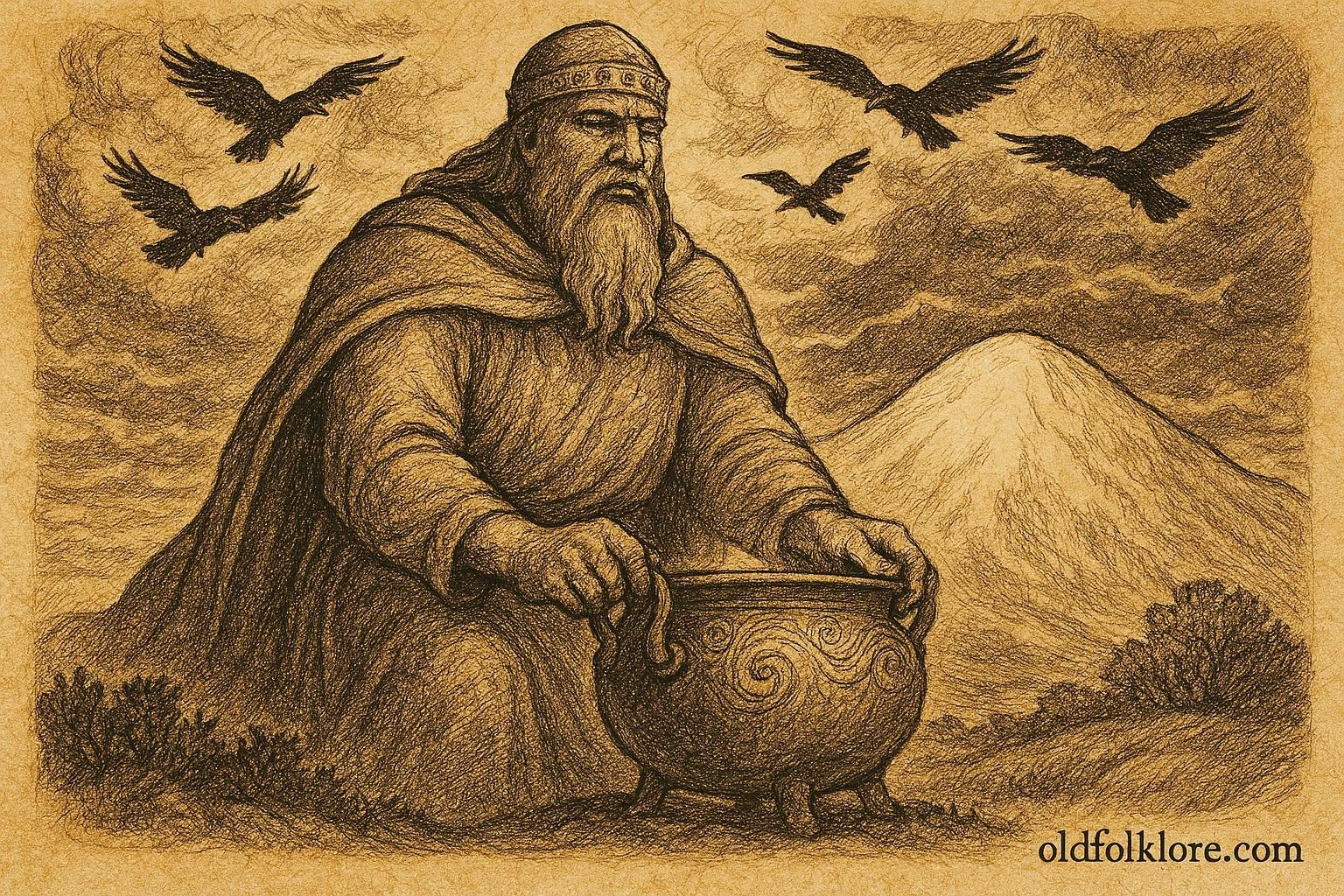
Bendigeidfran, known as Brân the Blessed, is a towering giant-king of Britain whose dominion encompasses sovereignty, protection, and the liminal realm of the Otherworld. Revered as both a warrior and prophet, Brân embodies the kingly responsibility to safeguard his people beyond the limits of mortality. His symbols, the magical Cauldron of Rebirth, the white hill of burial, and the presence of ravens, convey themes of renewal, foresight, and protection. His relationships with other supernatural figures, including Manawydan, his brother, and Pryderi, the prince of Dyfed, reinforce his role as a guardian and intercessor between worlds. Ritual reverence is preserved in poetic memory and ceremonial tales, emphasizing his guidance, counsel, and enduring vigilance.
Mythic Story
In the age of heroic kings and enchanted lands, when Britain was a tapestry of forests, mountains, and sacred rivers, Brân the Blessed stood as the mightiest of rulers. Colossal in stature and presence, he inspired awe and devotion alike. His fame rested not only on martial prowess but also on the enchanted Cauldron of Rebirth, a vessel so potent that those who perished upon its waters could be restored to life, though speech and memory remained absent.
The land was beset by strife. A war erupted between the kingdoms of Britain and Ireland, sparked by disputes over honor, territory, and the theft of prized animals. Brân marshaled his warriors, each loyal to the giant king whose counsel was as revered as his might. Across the storm-tossed sea, he waged battle with wisdom and courage, winning victories yet at a tremendous cost.
In the aftermath of the conflict, Brân, ever mindful of his people’s future, commanded a deed both strange and sacred: his own head was severed, yet the enchantment of the Otherworld preserved its life. The head continued to speak, offering guidance, prophecies, and counsel to the living. It was transported to London, buried beneath the White Hill, where it would serve as a sentinel against invasion and peril. Even in death, Brân’s presence lingered, a perpetual guardian over Britain, his voice carrying the weight of history and the promise of protection.
The Cauldron of Rebirth played a pivotal role in these tales. Warriors who fell in battle, immersed in its waters, rose again, silent, yet alive, demonstrating the power of renewal and the king’s commitment to his people. The magical resurrection was a testament to Brân’s role as a sovereign whose duty extended beyond mortality, blending earthly rule with the timeless laws of the Otherworld. His association with ravens further emphasized the link between prophecy and sovereignty; these birds, messengers of the unseen, echoed the wisdom of the king’s enduring head.
Through these acts, Brân embodied the fusion of mortal authority and mystical guardianship. His story conveys the profound belief that leadership carries the weight of protection, foresight, and ethical responsibility. Britain, under Brân’s shadow, was not merely defended by armies but safeguarded by enchantment, wisdom, and the ongoing presence of a king whose voice resonated beyond death itself.
Even centuries later, poets and storytellers recount Brân’s deeds with reverence. His narrative, preserved in the Second Branch of the Mabinogi and Welsh triads, reflects the Celtic understanding of kingship: the ruler’s duty is to maintain the welfare of his people, to mediate between the living and the spiritual, and to leave a legacy that transcends mortality. In Brân, the Celtic imagination fused the awe of giants, the mystery of the Otherworld, and the enduring hope that protection and justice could persist beyond the grave.
Author’s Note
Brân the Blessed teaches that true leadership encompasses sacrifice, foresight, and guardianship beyond personal survival. His myth illustrates the responsibility of sovereignty and the ethical obligation to safeguard one’s people through both physical and spiritual means. The enduring presence of his head symbolizes the timeless nature of guidance, wisdom, and protection, reminding humanity that some legacies transcend mortality.
Knowledge Check
Q1: What domains does Brân the Blessed preside over?
A: Sovereignty, protection, and the Otherworld.
Q2: What is the significance of Brân’s Cauldron of Rebirth?
A: It restores fallen warriors to life, symbolizing renewal and the king’s protective role.
Q3: How does Brân continue to protect Britain after death?
A: His severed head remains alive, offering counsel and guarding the land from harm.
Q4: What is the symbolic importance of ravens in Brân’s myth?
A: Ravens signify prophecy, wisdom, and a connection to the Otherworld.
Q5: Which Welsh text preserves the tale of Brân the Blessed?
A: The Second Branch of the Mabinogi.
Q6: What moral lesson does Brân’s story convey about leadership?
A: True leadership requires sacrifice, foresight, and enduring protection for one’s people.
Source: The Mabinogi, Wales
Source Origin: Wales, Celtic Britain