Among the diverse Indigenous cultures of the Amazon Basin, the ayahuasca ceremony stands as one of the most enduring and sacred rituals of spiritual instruction, healing, and divine communication. For centuries, long before national borders existed, communities developed sophisticated forms of plant knowledge. Ayahuasca, a brew made from the Banisteriopsis caapi vine and companion plants such as Psychotria viridis, became a doorway into the world of spirits, ancestors, and cosmic teachers.
Different groups hold their own stories about the origin of the brew. Some Shipibo traditions speak of plant-spirit mothers who first revealed the medicine to shamans so they could treat illness and restore harmony. Asháninka narratives link the vine to cultural heroes who bridged human and spiritual realms. Though mythic stories vary, all emphasize a relationship of respect, restraint, and reverence. Ayahuasca is never merely a plant; it is a teacher, a guide, and a sacred force.
Description
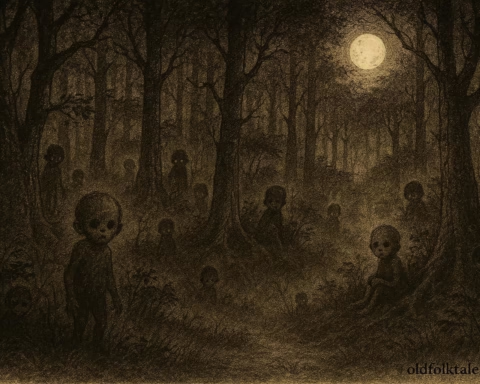
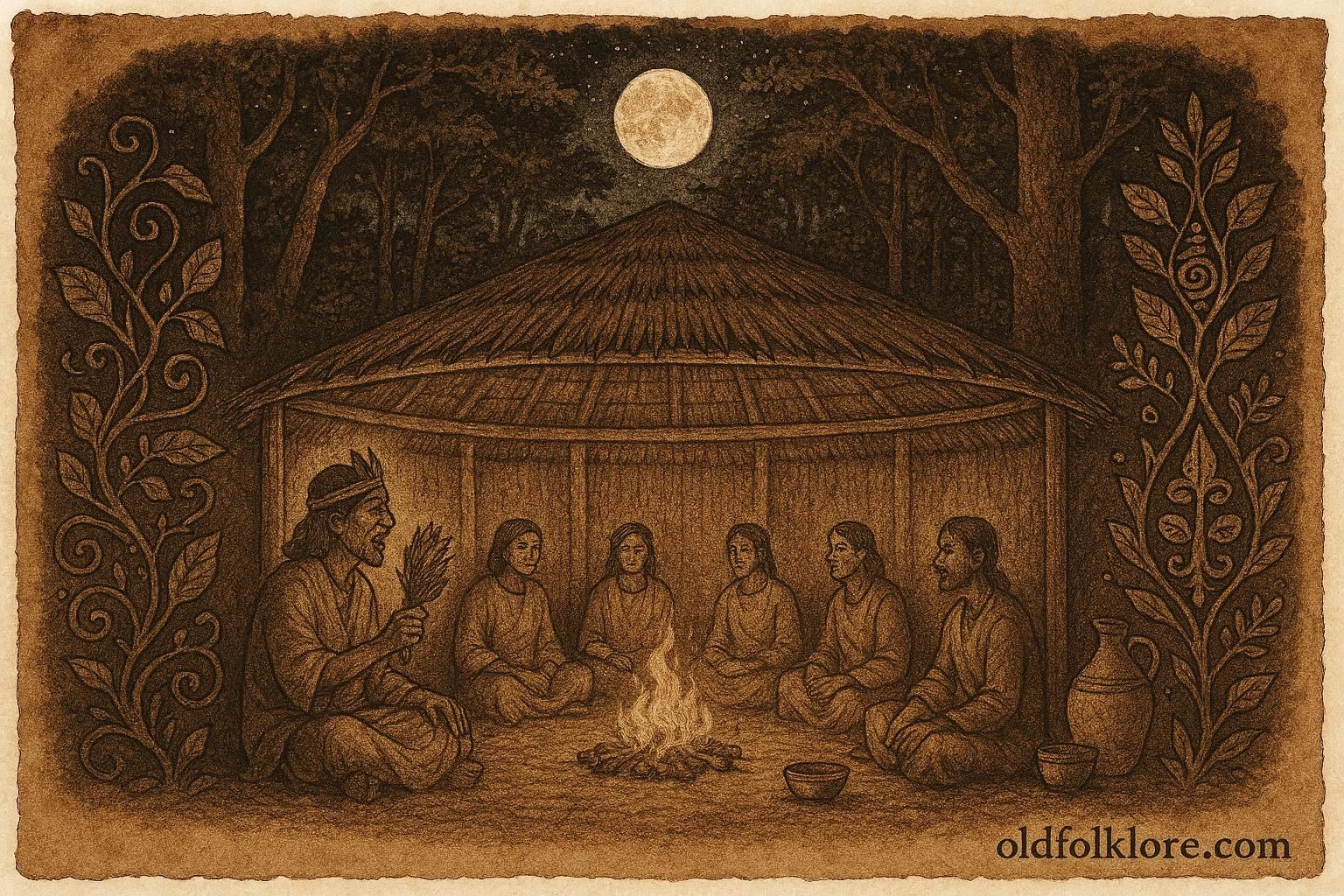
A traditional ayahuasca ritual usually takes place at night, when the forest is alive with insects, moonlight, and the sounds of water. Participants gather quietly in a ceremonial maloca or open-air hut. An experienced shaman, called an onanya among the Shipibo, pajé in Brazil, or curandero in Quechua-speaking regions, leads the ceremony. Their knowledge comes from years of apprenticeship, strict diets, and instruction from plant spirits encountered in visionary states.
Before drinking the brew, participants often undergo preparation such as food restrictions, abstinence, and spiritual cleansing. These steps are not symbolic alone; they are believed to strengthen the body, prepare the mind, and open the spiritual senses.
When the ceremony begins, the shaman prepares the ayahuasca, which has been brewed earlier through hours of boiling, prayer, and song. The shaman drinks first. Participants receive smaller portions depending on the ritual’s purpose, the person’s physical state, and the cultural tradition guiding the night.
As the brew takes effect, the shaman begins singing icaros, healing songs taught by plant spirits. These melodies guide visions, dispel harmful energies, and call protective forces into the space. Each icaro has a specific function: some cleanse, some open perception, some help diagnose illness. The shaman uses a leaf bundle (chakapa) to create rhythmic patterns that balance energy and soothe participants.
The ceremony unfolds slowly. The shaman works individually with each person, blowing tobacco smoke (mapacho) for protection, adjusting the flow of the icaros, or whispering prayers. Ayahuasca visions vary widely: geometric patterns, ancestral beings, animals, memories, and teachings from plant spirits. Yet the goal is not spectacle. The purpose is healing, revelation, and alignment.
Near the end of the night, the shaman closes the space with final songs of grounding. As dawn approaches, participants rest and share experiences. In many Indigenous traditions, the ritual is only one part of a longer process. Integration, ethical conduct, and further dietary discipline continue for days or weeks.
Today, some syncretic religious groups and commercial retreats have adopted or adapted these practices. While their forms differ, Indigenous leaders frequently emphasize the importance of cultural respect, proper training, environmental protection, and community benefit.
Mythic Connection
Ayahuasca rituals express a worldview in which nature is animate, intelligent, and spiritually interconnected. For the Shipibo, the universe is woven with kené, sacred geometric designs seen in visions and mirrored in textile art. These patterns reveal the order of creation and the pathways through which healing flows.
Among the Asháninka and other groups, plant spirits act as teachers who grant knowledge about illness, hunting, weather, and the origins of the world. These spirits are not distant gods but beings encountered directly in visionary communion. Through ayahuasca, shamans speak with ancestors, negotiate with nature beings, and restore balance disrupted by conflict, sickness, or spiritual disorder.
Ayahuasca thus becomes a bridge between the human world and cosmic forces. It affirms that every part of creation, rivers, vines, animals, stars, possesses its own wisdom. By entering visionary states guided by experienced shamans, communities renew their relationship with this sacred order.
Even in modern contexts, the ceremony continues to embody ecological responsibility. Many Indigenous nations see the ritual as a reminder of reciprocity: humans must care for the forest, and in turn the forest cares for them. This dynamic reflects a spiritual worldview shaped not by domination but by partnership.
Author’s Note
This article presents an overview of Amazonian ayahuasca ceremonies as traditions of healing, vision, and sacred plant knowledge. It reflects the ritual’s deep connections to cultural identity, spirit teachers, and the natural world.
Knowledge Check
1. What is the core purpose of an ayahuasca ceremony?
To heal, guide, and communicate with the spiritual world through plant-spirit knowledge.
2. Why are icaros central to the ritual?
They direct visions, cleanse energies, and support healing.
3. Why is preparation important?
It aligns the body and mind with the spiritual effects of the brew.
4. How do myths explain the origin of ayahuasca?
As gifts from plant spirits or cultural heroes who taught humans its use.
5. Why do ceremonies take place at night?
Night enhances focus, ritual atmosphere, and connection with spiritual realms.
6. What concerns shape modern practice?
Cultural protection, ethical training, and environmental preservation.