The Ghost Dance Movement emerged in the late nineteenth century among the Northern Paiute people. Its most recognized prophet, Wovoka, also known as Jack Wilson, received a powerful vision during the solar eclipse of January 1, 1889. In this vision, he encountered the Creator and the spirits of the ancestors, who instructed him to teach all Native peoples a sacred dance that would bring the world back into harmony. The message promised the restoration of the land, the return of the buffalo, and the renewal of Indigenous lifeways. Many Plains communities adopted the ritual, reshaping it through their own cosmologies, songs, and ceremonial traditions.
The ritual arrived during a time of great hardship. Native nations faced famine, dispossession, broken treaties, and suppression of their spiritual systems. The Ghost Dance became, therefore, not only a prophecy but also a powerful expression of cultural resilience. It united tribes across the West, spreading quickly among the Lakota, Cheyenne, Arapaho, Shoshone, and many others, each adding their own spiritual tone and ancestral teachings.
Description
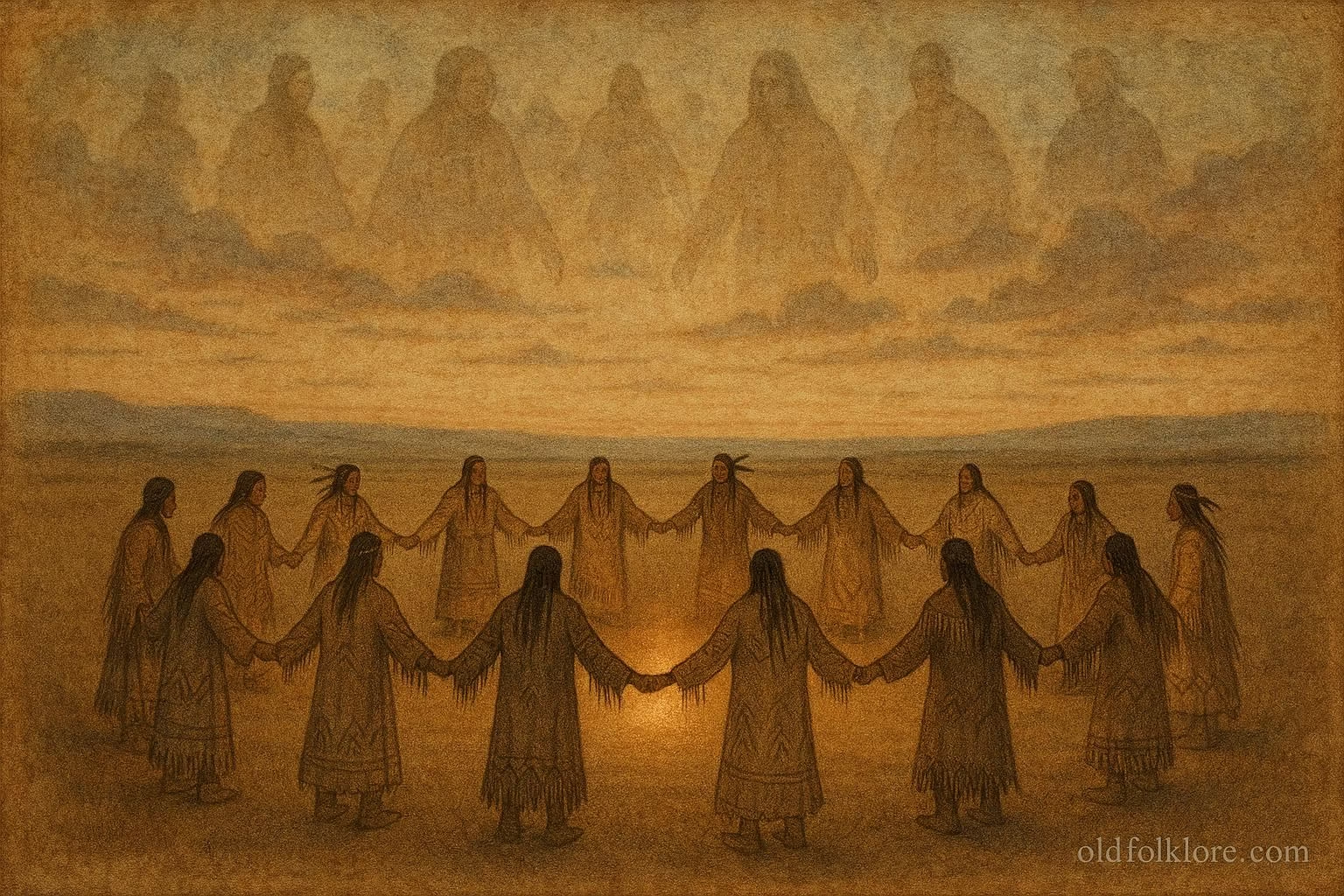
At the center of the movement was the sacred Ghost Dance ceremony, an immersive, communal circle dance meant to open a pathway between the human world and the spirit world. Practitioners often gathered in large groups, forming a wide circle, hands intertwined, moving rhythmically around a central sacred space. The dance could last for hours, sometimes days, accompanied by prayer songs that called upon ancestors and asked for the return of the natural balance that once sustained their communities.
Participants wore everyday clothing or garments marked with symbolic elements. Although popular myth once described “Ghost Shirts” as bulletproof garments, their actual purpose, when used, was spiritual. They reflected a desire for protection, purity, and connection to ancestors rather than a literal shield.
The ceremony followed a cycle of singing, dancing, visionary experiences, and shared instruction. Some dancers entered trancelike states, communicating visions of ancestors or receiving spiritual messages. Elders emphasized moral teachings: kindness, peaceful living, and the renewal of traditional values. Wovoka’s message specifically forbade violence, urging harmony among all people.
However, as the movement spread, federal authorities misinterpreted it. The sight of hundreds of Native people dancing, singing, and gathering across reservations alarmed colonial officials who saw unity and prophecy as threats. Fear and misunderstanding escalated, culminating in the tragic 1890 massacre at Wounded Knee, where U.S. soldiers killed more than 200 Lakota people. This event became one of the defining moments of colonial violence in Native American history, yet the ceremony’s spiritual message endured.
Mythic Connection
The Ghost Dance was rooted in a profound Native cosmology. In Wovoka’s vision, the Creator revealed that the world would be renewed. This renewal echoed ancient beliefs across many tribes: the world moves in cycles, and when harmony breaks, a ceremonial act can restore balance. The dance symbolized a world cleansed of suffering, guided by ancestors and divine power.
For the Northern Paiute, the vision promised the return of the dead, an idea deeply tied to the belief that ancestors actively guide the living. Many Plains tribes already held similar teachings: spirits watch, protect, and influence the flow of events. Thus, the Ghost Dance became a bridge between tribal traditions and the new prophetic message.
The buffalo, central to many Plains cultures, also held mythic significance. Their disappearance was not only environmental but spiritual. The prophecy of their return echoed older tales in which buffalo are sacred beings who emerge or vanish based on humanity’s moral conduct. To dance was to call them back, renewing life itself.
At its core, the Ghost Dance Movement was a spiritual response to colonial destruction. It attempted to heal a world wounded by violence and loss, using ritual, vision, and communal unity. Its theology was not apocalyptic but restorative. It imagined Earth renewed, ancestors near, and Indigenous cultures thriving again.
Author’s Note
This article explores the Ghost Dance Movement as a ceremonial vision of renewal rather than simply a historical event. By returning to the teachings of Wovoka and the spiritual traditions of many Native nations, we see the movement as a powerful call for harmony, cultural survival, and sacred connection with ancestors. It remains one of the most meaningful expressions of Indigenous resilience in North America.
Knowledge Check
1. What inspired Wovoka’s message?
A visionary encounter during a solar eclipse, where he was taught a ritual to restore harmony.
2. Why was the Ghost Dance widely adopted?
It addressed hardship, loss, and cultural disruption while offering hope and renewal.
3. What was the central ritual action?
A communal circular dance performed with prayer songs and spiritual intention.
4. Did all tribes practice it the same way?
No. Each community reshaped the dance with its own songs, symbols, and teachings.
5. What was the intended outcome of the ritual?
Restoration of balance, return of ancestors, and renewal of Indigenous lifeways.
6. Why did colonial authorities fear the movement?
They misinterpreted peaceful gatherings as rebellion, leading to violent suppression.