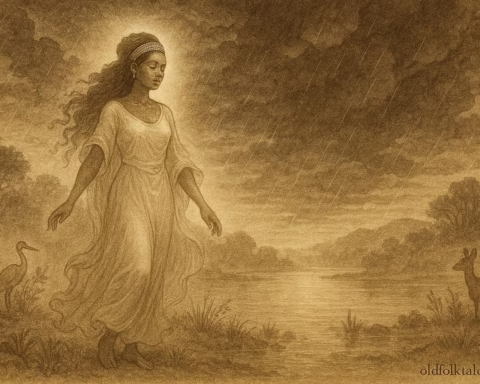
Across the lowland Amazon and the cool highlands, the hammock has long been more than a simple resting place, it is a symbol of balance, calm, and contemplation. Suspended gently between two points, it responds to every movement with quiet grace. Elders often say that a person’s heart should move the same way: steady, thoughtful, and responsive, never rigid or rushed. Many households pass down proverbs and sayings rooted in the rhythms of domestic life, swinging hammocks, simmering pots, woven mats, that teach the virtues of patience, moderation, and reflective thought.
In these cultures, wisdom is not found in grand speeches but in the slow, attentive moments of ordinary days. The stillness of early morning, the warmth of evening fires, and the gentle sway of the hammock remind people that peace begins inside, and that clarity grows when the mind is calm. These proverbs express a worldview in which haste is a danger, quietness is a strength, and emotional steadiness is a form of survival. They encourage a balanced spirit, one that is thoughtful before acting, controlled in emotion, and attentive to the lessons embedded in everyday tasks.
This compilation gathers the humble, often poetic insights passed through generations, proverbs meant to steady the heart, guide decisions, and remind us that slow thinking is not delay but wisdom.
Proverbs
- “A hammock swings only when you move.” : Calm comes from within, not from circumstance.
- “He who rocks too fast falls out.” : Rushing leads to mistakes.
- “Quiet hands weave the strongest baskets.” : Patience creates lasting work.
- “The pot that simmers slowly cooks sweetest.” : Good results take time.
- “A calm river reflects the sky.” : Stillness reveals truth.
- “Where the heart is steady, fear has no bed.” : Emotional balance wards off anxiety.
- “The hammock teaches: sway, don’t struggle.” : Flexibility eases life’s hardships.
- “A slow step avoids the hidden stone.” : Caution prevents trouble.
- “The patient ear hears more than the loud mouth says.” : Listening is more powerful than speaking.
- “Even the sun rises slowly.” : Nature favors steady rhythms.
- “A restless mind knots the thread.” : Anxiety disrupts focus.
- “Even a loud house quiets at dusk.” : Peace eventually comes.
- “The hammock waits; so should the heart.” : Patience brings clarity.
- “To stir too quickly spills the stew.” : Haste destroys good things.
- “Still water teaches depth.” : Quietness reveals wisdom.
- “The fire that burns low burns longest.” : Moderation sustains strength.
- “A calm voice cools a hot argument.” : Softness diffuses conflict.
- “The hammock’s sway follows your breath.” : Inner regulation shapes outer peace.
- “Even a long road begins with a measured step.” : Progress is made slowly and steadily.
- “A cup filled too fast spills easily.” : Excessive rush leads to loss.
- “Patience grows like a banana tree—slow but fruitful.” : Enduring calm yields good outcomes.
- “A balanced load rests lightly on the back.” : Order and moderation ease burdens.
- “The quiet child learns the forest first.” : Observers understand deeply.
- “A hot mind burns its own thoughts.” : Anger clouds judgment.
- “The hammock does not judge your weight.” : Peace accepts all equally.
- “Who listens long decides wisely.” : Good judgment requires reflection.
- “A gentle hand untangles the toughest knot.” : Calmness solves problems.
- “He who pauses sees the hidden path.” : Patience reveals solutions.
- “The stew tastes the cook’s mood.” : Emotional balance affects your work.
- “A quick tongue outruns wisdom.” : Speaking without thinking leads to regret.
- “The hammock swings even in a small breeze.” : Small emotions still affect the heart.
- “Soft steps wake no spirits.” : Treading lightly avoids conflict.
- “A calm pot never boils over.” : Self-control prevents chaos.
- “The river listens before it turns.” : Nature models thoughtful change.
- “A steady heart rides any storm.” : Emotional balance provides resilience.
- “Hurry breaks the basket’s rim.” : Rushing ruins craftsmanship.
- “Silence is the elder’s first lesson.” : Learning begins with listening.
- “A deep breath steadies the spear.” : Calmness strengthens action.
- “The hammock’s rhythm heals the tired.” : Rest restores clarity.
- “Where patience sits, anger cannot stand.” : Calmness dispels rage.
- “Even a small flame needs time to grow.” : Beginnings require nurturing.
- “The slow hunter returns with meat.” : Patience leads to success.
- “A quiet heart tastes life fully.” : Stillness increases appreciation.
- “He who stops to think saves a day of trouble.” : Reflection prevents harm.
- “Waves calm the shore one touch at a time.” : Healing comes gradually.
- “The hammock teaches balance without words.” : Simple things hold deep lessons.
- “A calm mind makes long plans.” : Peace allows foresight.
- “Even the jaguar waits before it leaps.” : Wise action is never rushed.
- “A steady hand pours without spilling.” : Focus prevents waste.
- “The night teaches quietness.” : Darkness fosters reflection.
- “A shaken pot feeds no one.” : Disturbance ruins progress.
- “Soft rain fills the jar.” : Small, patient efforts accumulate.
- “The hammock sways, but never falls.” : Flexibility creates stability.
- “A calm word can carry a heavy truth.” : Kind tone strengthens difficult messages.
- “The patient one finishes the weaving.” : Long tasks require steady effort.
- “A hurried tongue trips on itself.” : Careless speech harms the speaker.
- “Stillness is the mother of clarity.” : Calmness produces insight.
- “The long breath wins the long climb.” : Endurance beats speed.
- “A quiet house is a wise house.” : Peaceful spaces nurture wisdom.
- “Even a broken hammock can hold if treated gently.” : Care heals fragile situations.
- “The balanced mind sees both sides.” : Fair decisions require calm thought.
- “Haste turns sweet fruit bitter.” : Rushing spoils good things.
- “A patient ear mends friendships.” : Listening restores relationships.
- “The hammock knows the value of stillness.” : Rest is a form of wisdom.
- “A calm heart speaks softly but strongly.” : Steady emotions strengthen communication.
- “To hurry is to stumble.” : Speed leads to missteps.
- “The slow pot cooks the bone to softness.” : Time transforms difficulty into nourishment.
- “Where balance is kept, peace grows.” : Emotional stability fosters harmony.
- “A thoughtful pause saves a foolish step.” : Stop before acting rashly.
- “The hammock’s sway measures your thoughts.” : Calm reflection reveals inner truth.
- “A gentle voice cools hot tempers.” : Softness calms conflict.
- “Still mornings birth wise decisions.” : Clarity emerges from calm.
- “The steady flame lights the longest night.” : Consistent strength endures hardship.
- “A restless heart spills its joy.” : Inner turmoil undermines happiness.
- “Patience sharpens the dullest blade.” : Steady practice brings skill.
- “The hammock moves with the body, not against it.” : Wisdom adapts instead of resisting.
- “The long view clears the short worry.” : Perspective reduces anxiety.
- “A quiet pause is worth an hour’s regret.” : Reflection prevents bad decisions.
- “He who breathes deeply thinks deeply.” : Calm increases insight.
- “The hammock swings gently to teach gentleness.” : Peace invites peace.
- “The slow river never loses its way.” : Steady progress is sure progress.
- “The patient heart gathers many blessings.” : Calmness attracts good fortune.
- “Even loud storms end in silence.” : Turmoil passes.
- “The hammock shows: support comes from both sides.” : Balance relies on multiple relationships.
- “A steady gaze tames fear.” : Calmness confronts anxiety.
- “He who hurries drinks from a dirty stream.” : Speed sacrifices wisdom and safety.
- “Quiet hands cradle fragile things.” : Gentleness protects what is delicate.
- “Still moments grow strong roots.” : Stability begins in silence.
- “The patient cook feeds the whole village.” : Endurance benefits community.
- “Even the restless child sleeps in a gently swung hammock.” : Peace soothes turmoil.
- “A calm step crosses shaky bridges.” : Steady behavior navigates risk.
- “Reflection is the shadow of wisdom.” : Thinking deeply accompanies understanding.
- “The hammock does not rush the dreamer.” : Rest nurtures imagination.
- “Balance is the quiet sibling of strength.” : True power is steady, not loud.
- “A gentle pause heals a wounded word.” : Silence can prevent worsening conflict.
- “The hammock sways, the heart listens.” : Calm moments bring insight.
- “The slow path avoids the thorn.” : Patience prevents harm.
- “Even a tired spirit lifts with gentle rest.” : Renewal comes through stillness.
- “The patient mind gathers clear thoughts.” : Reflection organizes ideas.
- “Life sways like a hammock, move with it, not against it.” : Balance is the secret to peace.
Author’s Note
These proverbs reflect a simple truth echoed across the Amazon and highlands: wisdom grows in quiet moments. Like a gently swinging hammock, a steady heart adapts, rests, and remains balanced even when life moves unexpectedly. Patience and reflection are not signs of slowness, they are strengths that shape thoughtful decisions and resilient spirits.
Knowledge Check
- Q: What object symbolizes balance and patience in these proverbs?
A: The hammock. - Q: What is the main value these sayings emphasize?
A: Patience and emotional steadiness. - Q: Why do many proverbs mention calmness and stillness?
A: Because clarity and wisdom arise in quiet moments. - Q: What lesson do domestic tasks like weaving and cooking teach?
A: Good results require time, care, and calm effort. - Q: How do these proverbs view haste?
A: As a cause of mistakes, conflict, and poor decisions. - Q: What overarching truth ties all 100 proverbs together?
A: Life requires balance, moving gently, thinking carefully, and staying emotionally steady.