The Tamborrada, or Danborrada, is San Sebastián’s iconic drum festival, held annually on 20 January, honoring the city’s patron saint, Saint Sebastian. Its origins trace to 19th-century civic rituals and carnival customs, where townspeople humorously imitated soldiers and water carriers in mock parades. Over time, these playful enactments were formalized, evolving into a structured citywide drum march that now unites residents across generations.
The festival reflects a Basque civic ethos, blending humor, communal participation, and musical prowess. Medieval and early modern urban processions, where citizens showcased allegiances, trades, or martial pride, helped shape Tamborrada’s emphasis on costume, rhythmic discipline, and public performance.
Description of the Festival
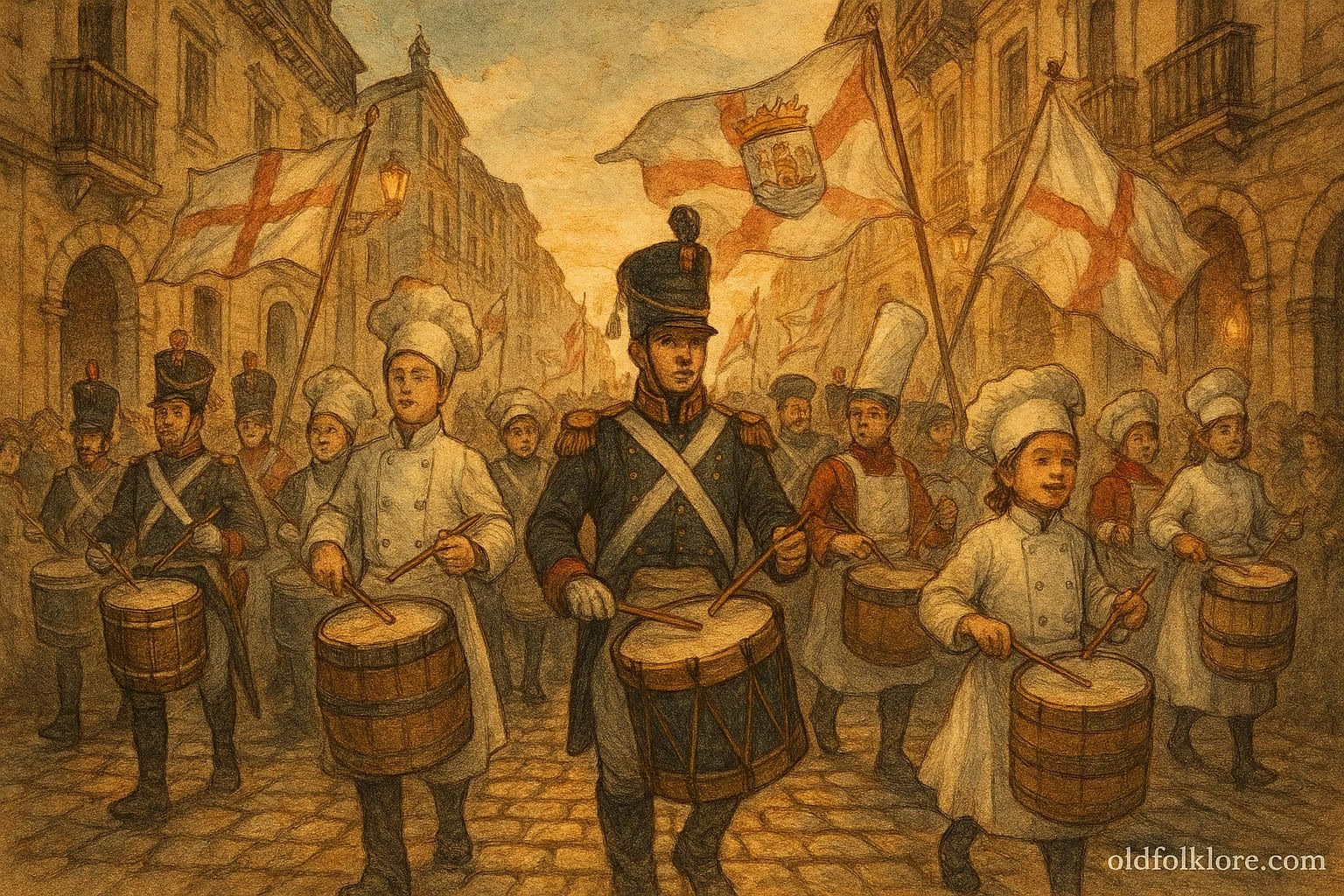
Tamborrada spans 24 hours, beginning at midnight when the city mayor raises the flag in Plaza de la Constitución. From that moment, groups of participants, known as “tamborrada companies,” parade through the streets, playing snare drums and barrels while dressed as either soldiers or cooks, reflecting the festival’s historical duality of civic mockery and daily life homage.
Children and adults participate, with the children’s tamborrada being especially popular, serving as a means of cultural transmission and community bonding. Each company maintains a specific musical repertoire, often composed of traditional marches, civic tunes, and improvisations. Routes weave through San Sebastián’s historic streets, combining urban landscape, communal engagement, and sonic spectacle into a dynamic, immersive ritual.
The festival concludes at midnight, with a collective lowering of the city flag and a ceremonial final march, uniting the city in a shared celebration of history, rhythm, and identity.
Mythic Connection and Symbolism
While Tamborrada does not directly reenact mythic narratives, it carries symbolic weight in civic and social terms, reflecting the Basque relationship to community, labor, and collective identity. By masquerading as soldiers or cooks, participants acknowledge historical roles in public life and wartime memory while transforming them into festive art.
The drums and barrels symbolize continuity, persistence, and shared effort, rhythmic metaphors for unity and endurance. The timing of the festival on Saint Sebastian’s feast day aligns Tamborrada with spiritual protection themes, echoing medieval rituals invoking divine oversight for city safety and prosperity. In effect, the festival blends secular history, civic pride, and ritualized performance, creating a culturally sacred space where collective memory and rhythmic energy converge.
Author’s Note
The Tamborrada stands as a vivid example of how civic rituals can evolve from humor and practical labor into deeply symbolic public celebrations. Its 24-hour cycle, coordinated drumming, and costumed processions highlight the Basque commitment to community cohesion and cultural continuity. Observers and participants alike are drawn into a living tapestry of sound, movement, and identity, demonstrating how a festival rooted in playful imitation can mature into an emblem of heritage, discipline, and collective pride.
Knowledge Check
1. What is the primary purpose of the Tamborrada?
To celebrate San Sebastián’s civic identity, heritage, and patron saint through music and parade.
2. When is the Tamborrada held?
Every year on 20 January, Saint Sebastian’s feast day.
3. Who participates in the festival?
Both adults and children organized in “tamborrada companies,” dressed as cooks or soldiers.
4. What instruments are central to the festival?
Snare drums and barrels, producing rhythmic, continuous sounds for the duration of the parade.
5. How long does the Tamborrada last?
The festival lasts a full 24 hours, from midnight to the following night.
6. What do the costumes symbolize?
Soldier and cook attire references historic civic roles, labor, and wartime allegories, connecting the city’s past with contemporary celebration.