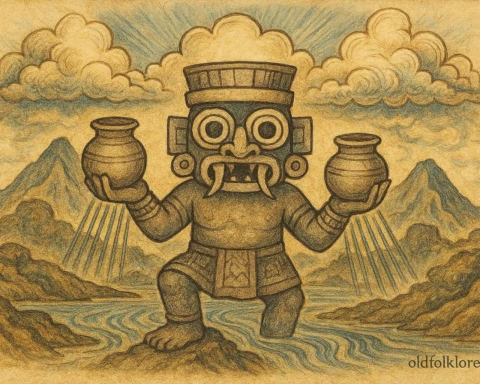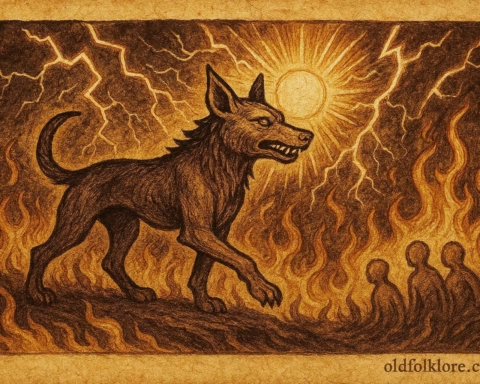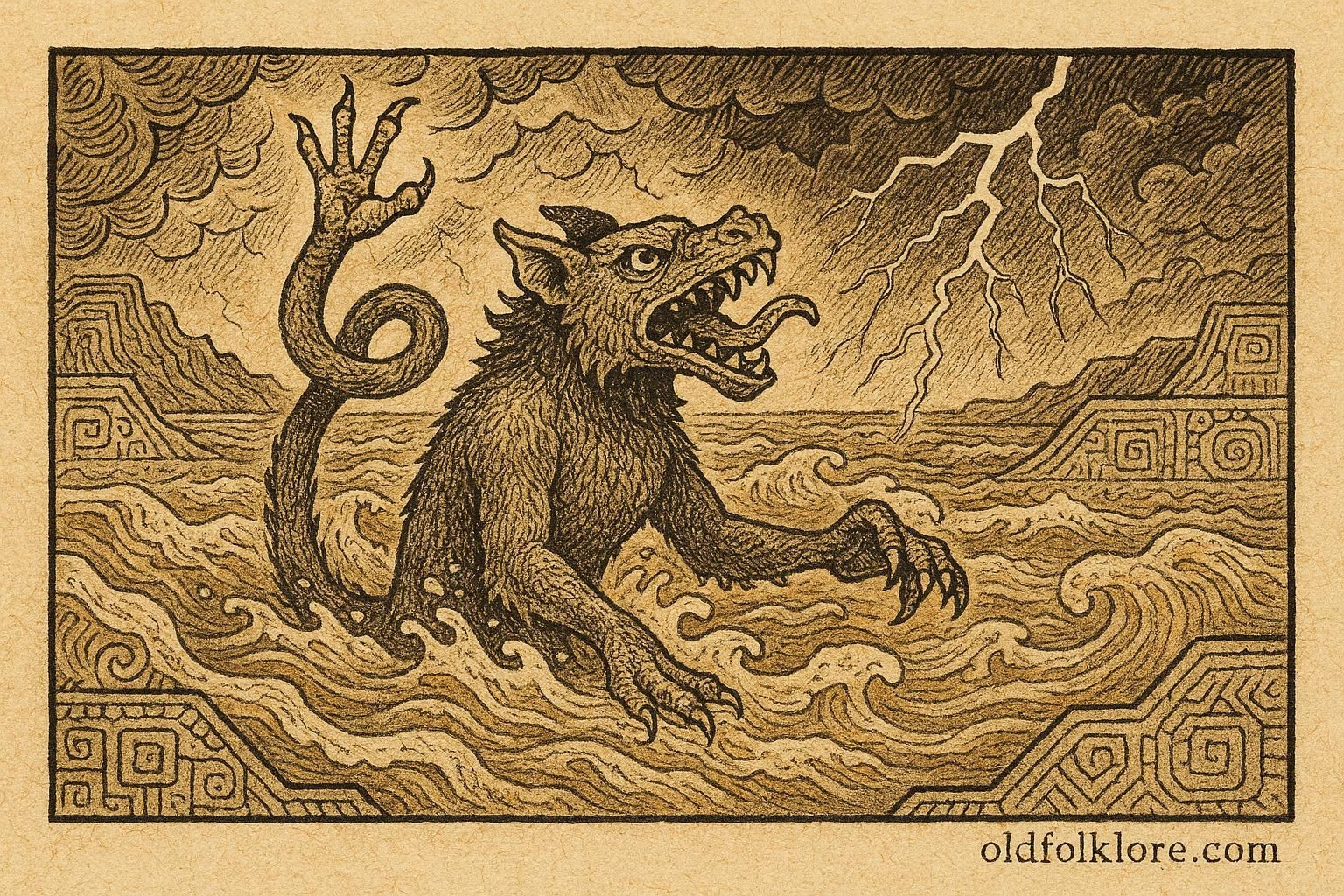
Ahuitzotl is a formidable deity of the Aztec pantheon, intimately connected to water, rivers, rainfall, floods, and warfare. Often depicted as a dog-like aquatic creature with a hand on its tail, Ahuitzotl embodies both the nourishing and destructive power of water. His presence is felt in rivers, lakes, and rainfall; he protects these domains while enforcing strict balance, demanding respect and ritual appeasement.
The god’s dual nature, life-giving and destructive, reflects the Aztec understanding that water can nourish crops yet also devastate communities. Ahuitzotl’s connection to warfare comes from the belief that water and rain influence the land’s fertility, and by extension, the strength of the people and their armies. Sacrificial offerings, including captives, were presented to him to maintain cosmic and environmental balance. He is closely linked with Tlaloc, another rain deity, but retains a more fearsome and unpredictable character.
Temples and shrines often stood near lakes or riverbanks, where priests conducted rituals to honor Ahuitzotl. He was invoked during storms, floods, or times of agricultural necessity, and his image, sometimes anthropomorphic, sometimes monstrous, served as a reminder of nature’s power and the god’s dominion over life and death.
Mythic Story: Ahuitzotl and the Flooded Village
Long ago, in the lush valleys of the Aztec heartland, there was a village blessed with fertile land and abundant rivers. The people prospered, yet they grew careless, polluting the river with refuse and disrespecting the sacred waters. The villagers laughed at warnings, ignoring the priests who spoke of the god Ahuitzotl, guardian of rivers and storms.
One night, as the moon shimmered silver over the valley, the river began to churn. From its depths, Ahuitzotl emerged, his dog-like form writhing through the waters. The hand upon his tail waved, and torrents rose like mountains of liquid fury. Waves swept through the village, carrying crops, huts, and livestock into the depths. Screams echoed as the waters swallowed the land, a chilling testament to divine wrath.
Those who survived cowered on the hilltops, shivering as the river raged. In the storm’s eye, the god spoke through the splashing currents, his voice a low, rumbling growl:
“Those who defile my waters shall feel the punishment of the depths. Only respect and sacrifice can restore balance.”
The villagers, trembling with fear, offered what they could. The priests guided them in ritual, presenting captives and ceremonial offerings to appease Ahuitzotl. They chanted prayers and dipped sacred objects into the river, seeking mercy for their neglect.
Slowly, the waters receded. Crops could be replanted, homes rebuilt, and the river returned to its serene course. Yet the villagers never forgot the wrath of Ahuitzotl. From that day forward, every river crossing was approached with reverence, and offerings were made during droughts or storms to honor the guardian of life-giving waters.
Ahuitzotl’s story traveled across the Aztec Empire, reminding all that water is both life and death, and that human negligence cannot escape divine attention. Warriors would also invoke his name before battle, understanding that his favor influenced both crops and courage, linking the god of water directly to the strength and survival of the people.
Discover the gods, goddesses, and divine spirits who ruled the heavens and shaped human fate
Author’s Note
Ahuitzotl embodies the profound respect the Aztecs held for natural forces. His myth teaches that life-giving water must be honored and that human actions have consequences. The deity’s duality, nurturer and punisher, reflects the delicate balance between civilization and nature, illustrating the interdependence of environment, divine will, and human responsibility.
Knowledge Check
Q1: What culture worshipped Ahuitzotl?
A: The Aztec civilization in Central Mexico.
Q2: What domains does Ahuitzotl govern?
A: Water, rain, rivers, floods, and warfare.
Q3: How is Ahuitzotl commonly depicted?
A: As a dog-like aquatic creature with a hand on its tail.
Q4: What causes Ahuitzotl to punish humans?
A: Pollution or disrespect toward rivers and sacred waters.
Q5: Which other deity is closely associated with Ahuitzotl?
A: Tlaloc, the rain god, with whom he shares dominion over water.
Q6: What actions appeased Ahuitzotl after the flooded village?
A: Ritual offerings, including human captives, prayers, and respectful conduct toward water.
Source: Florentine Codex and Aztec Mythology, Mexico
Source Origin: Aztec (Central Mexico)