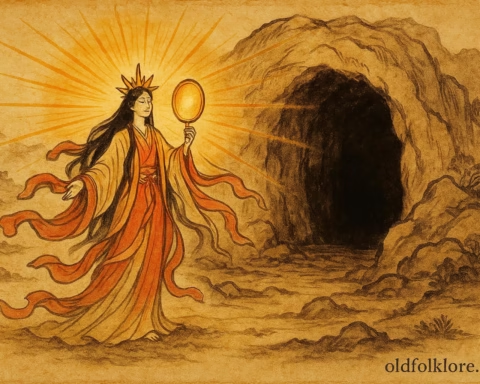
Ame-no-Uzume, often called the goddess of dawn, mirth, and performing arts, embodies joy, creativity, and transformative courage. She is famed for her role in restoring sunlight to the world, representing the power of laughter, dance, and communal celebration. Her presence bridges the human and divine realms, showing that playfulness and ingenuity can resolve cosmic crises.
Her symbols include the dancing posture, sacred mirrors, and ceremonial instruments used in Shinto rituals. In some depictions, she carries the kagura-bue, a ritual flute, or the hand-held bells of traditional dances. Ame-no-Uzume also represents fertility and agricultural abundance, as her joyous acts inspire harmony among people, nature, and kami (gods).
Discover the ceremonies and sacred festivals that honored gods and balanced nature’s powers
Within the Shinto pantheon, Ame-no-Uzume is considered both a mischievous trickster and a wise problem-solver, working alongside other kami to maintain cosmic balance. She is venerated in shrines and celebrated in festivals such as Kagura dances, which honor her theatrical ingenuity and the life-giving power of dawn.
Mythic Story: Ame-no-Uzume and the Cave of Darkness
Long ago, the world was cast into shadow. Amaterasu, the radiant sun goddess and sovereign of the heavens, had retreated into a hidden cave, angered by the violent deeds of her brother, Susanoo. The skies darkened, crops withered, and mortals trembled under the oppressive gloom. The other kami gathered outside the cave, perplexed and fearful, unable to coax the sun goddess from her refuge.
It was Ame-no-Uzume who dared to act. Without hesitation, she climbed atop an overturned tub and began to dance with exuberant abandon. Her movements were wild and unexpected, her feet striking the earth with rhythm, her body twisting in comic exaggeration. The kami around her erupted in laughter, clapping, stamping, and singing, amplifying her joyous energy.
Curiosity sparked within the cave. Amaterasu, drawn by the unfamiliar sounds of mirth, peeked from the entrance. There she saw Ame-no-Uzume, radiant and fearless, performing her daring dance. On her chest hung a mirror, one of the sacred treasures of heaven, which reflected Amaterasu’s own brilliance back at her. Mesmerized by the sight and intrigued by the laughter, the sun goddess inched closer, and the other gods carefully secured a stone to prevent her from retreating again.
In that moment, sunlight returned to the world. The darkness lifted, and the kami rejoiced. Ame-no-Uzume had accomplished what fear, argument, and persuasion could not: she had restored balance through creativity, humor, and courageous ingenuity. From that day, she was celebrated as the goddess who could transform despair into joy, showing that even the gravest crises could be met with resourcefulness and spirited action.
Beyond this famous episode, Ame-no-Uzume’s influence resonates in Shinto festivals and agricultural rites, where her dances and theatrical performances encourage fertility, harvest, and social harmony. She reminds mortals and deities alike that joy and celebration are essential forces that sustain life and order.
Learn the ancient stories behind deities of light, storm, and shadow from cultures across the world
Author’s Note
Ame-no-Uzume teaches that creativity, courage, and joy are transformative powers, capable of dispelling darkness both literal and metaphorical. Her myth illustrates that laughter, ingenuity, and playful spirit are not trivial, they are essential tools in resolving conflict and restoring balance. Humans can draw inspiration from her example, understanding that light often returns not through force, but through courage, collaboration, and the freedom to embrace life’s joyous moments.
Knowledge Check
Q1: Who is Ame-no-Uzume, and what domains does she govern?
A: Ame-no-Uzume is the Shinto goddess of dawn, joy, mirth, and performing arts.
Q2: What symbols are associated with Ame-no-Uzume?
A: Dancing posture, sacred mirrors, ritual instruments such as kagura-bue and bells.
Q3: What crisis did Ame-no-Uzume resolve?
A: She lured Amaterasu, the sun goddess, from her cave, restoring sunlight to the world.
Q4: How did Ame-no-Uzume attract Amaterasu’s attention?
A: By performing a daring, comic dance on an overturned tub, accompanied by laughter and clapping from other kami.
Q5: How is Ame-no-Uzume honored in Shinto practices?
A: Through Kagura dances, ritual performances, festivals, and offerings that celebrate joy, fertility, and creative courage.
Q6: What moral lesson does Ame-no-Uzume convey?
A: That courage, creativity, and joy can transform despair into light, and that laughter and ingenuity are sacred powers.
Source: Kojiki and Nihon Shoki, Japan
Source Origin: Shinto Japan