Ayahuasca ceremonies originate from the indigenous peoples of the Amazon Basin, including the Shipibo, Asháninka, Matsés, and numerous other groups across Peru, Brazil, and Colombia. These practices have been documented for centuries in ethnography, botanical history, and indigenous oral traditions. The ritual use of the ayahuasca vine (Banisteriopsis caapi), often combined with other psychoactive plants, is central to shamanic healing, divination, and spiritual communication in the Amazonian worldview.
Description
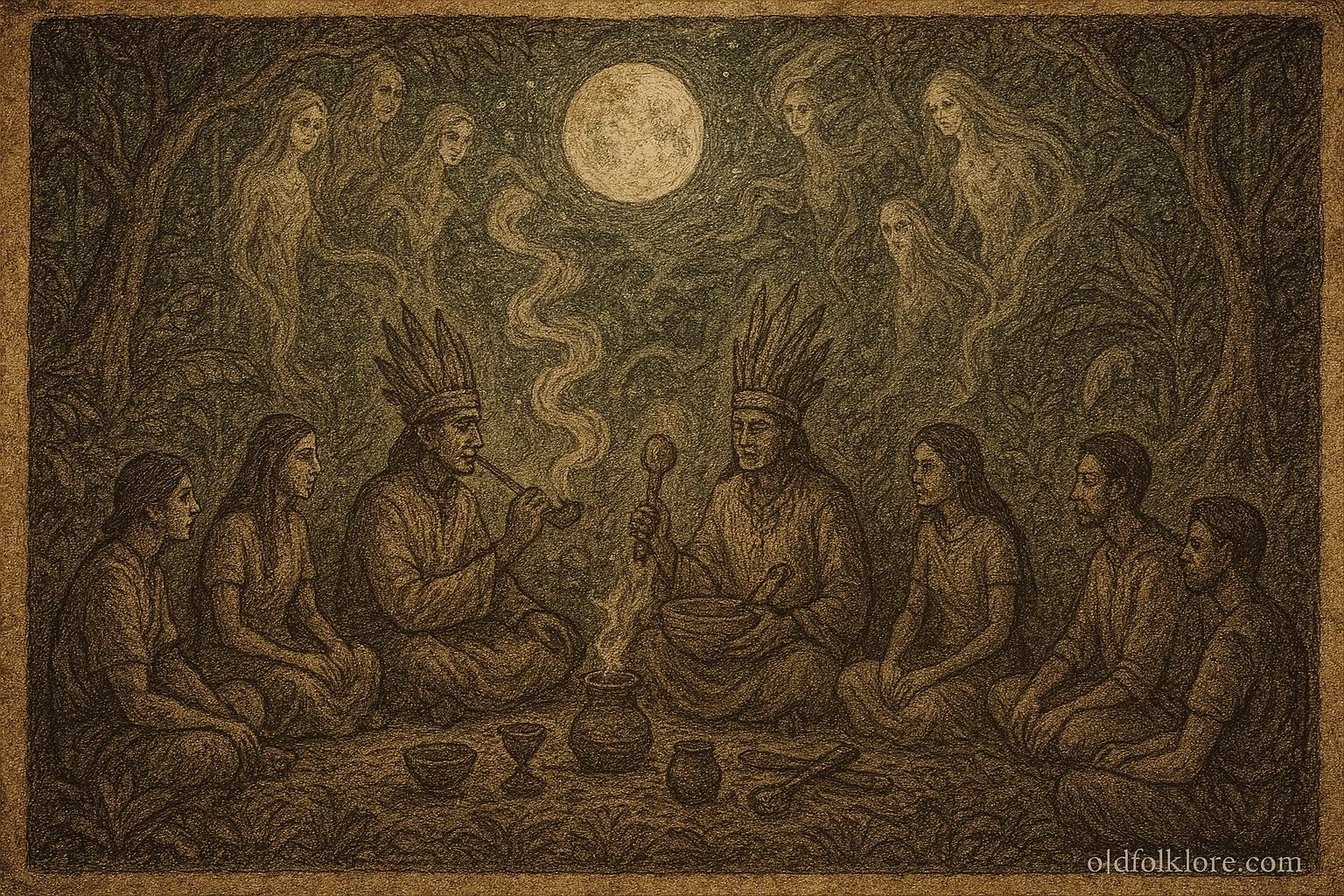
Ayahuasca ceremonies are nocturnal, communal, and led by experienced shamans known as curanderos or ayahuasqueros. The shaman prepares the brew with precise ritual care and prescribes dietary and behavioral precepts to participants before ingestion. Once the medicine is taken, the shaman sings icaros, healing songs believed to guide the visions and mediate interactions with spirit beings.
Participants may experience profound visions, emotional release, and altered states of consciousness, all interpreted as spiritual encounters rather than mere hallucinations. The shaman uses ritual instruments, offerings, and chants to diagnose and remove spiritual afflictions, often referred to as “nervous imbalances” or intrusive spirits. The ceremonies can last for several hours, sometimes extending over multiple nights in more intensive retreats.
Ayahuasca is more than a medicinal tool; it is a social and cosmological anchor. It restores harmony between the individual, the community, and the unseen spiritual forces. By interacting with plant spirits, participants gain insight into their personal lives, familial bonds, and communal responsibilities. The ritual functions as a moral and spiritual compass within Amazonian societies, reinforcing social cohesion while nurturing individual growth.
Mythic Connection
In Amazonian cosmology, ayahuasca is described as a sacred plant revealed by ancestral spirit-teachers, often taking the form of jaguars, serpents, or ethereal helpers. These entities instruct shamans in the proper use of the medicine and impart knowledge of the natural and supernatural worlds. The visions are often interpreted as journeys to the underworld or encounters with ancestral lineages, linking the living to cosmic order.
Mythologically, ayahuasca mediates between human life and spiritual forces, functioning as a bridge to the Pachamama (Earth Mother) and guardian spirits. The ceremony reenacts a mythic understanding of life, death, and rebirth, emphasizing reciprocity between humans, nature, and spirits. Blood, emotion, and song within the ritual are not accidental, they mirror the larger cycles of growth, fertility, and ancestral stewardship.
Variants & Notes
The form of ayahuasca ceremonies varies widely among indigenous groups:
-
Shipibo: Emphasis on detailed icaros, intricate visual motifs, and diagnostic healing.
-
Asháninka: Multi-night retreats with strict dietary restrictions to purify the body and spirit.
-
Matsés: Rituals may include communal chanting and practical lessons for jungle survival and moral conduct.
Syncretic forms also exist where Christian prayers and symbolism are integrated, particularly in areas influenced by missionaries or urban centers. Despite these differences, the underlying principle of spiritual balance, ancestral guidance, and communal well-being remains consistent.
Author’s Note
This article presents a detailed examination of Amazonian ayahuasca ceremonies, highlighting their complex interweaving of ritual practice, cosmology, and social function. Across multiple indigenous groups, the use of ayahuasca exemplifies how ritualized psychoactive substances can foster personal insight, communal harmony, and spiritual continuity. By engaging with ancestral spirits and plant entities, these ceremonies reflect an enduring human effort to harmonize with natural and divine forces. Their continued practice, even under modern pressures, demonstrates the resilience of indigenous cultural knowledge and its integration of myth, medicine, and morality.
Knowledge Check
-
What is the primary plant used in Ayahuasca ceremonies?
-
Banisteriopsis caapi, often combined with other psychoactive plants.
-
-
Who leads the Ayahuasca ceremonies?
-
Shamans called curanderos or ayahuasqueros.
-
-
What are icaros?
-
Ritual songs sung by shamans to guide visions and mediate spiritual interactions.
-
-
What mythic forms do spirit-teachers often take?
-
Jaguars, serpents, or other helper spirits.
-
-
Why is blood or emotional release significant in the ritual?
-
It symbolizes offering to spirits and aligns human activity with natural and cosmic cycles.
-
-
Name one social function of Ayahuasca ceremonies.
-
They foster communal harmony, moral instruction, and social cohesion.
-