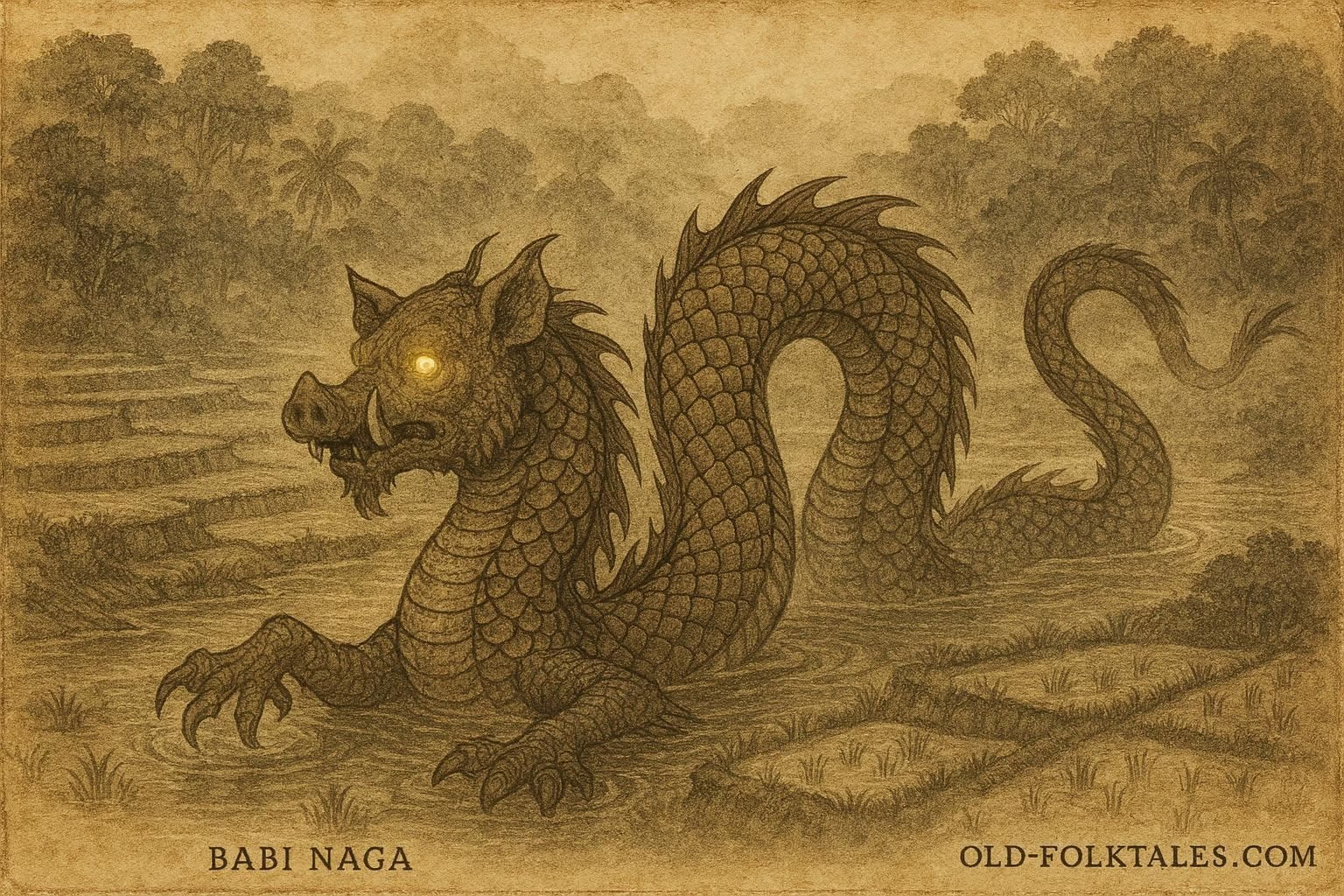
The Babi Naga is a distinctive mythical creature in Philippine mythology, often described as a pig-like naga, a hybrid of terrestrial and aquatic forms. Its appearance and behavior vary regionally, but central features include:
- Physical traits: Typically, Babi Naga is depicted with the head of a wild pig or boar, complete with tusks and snout, and a long serpentine body resembling traditional naga or dragon motifs. In some variants, it is entirely serpentine but retains pig-like snout features. Its skin is often scaled, colored dark green or brown, blending with riverbanks or marshes. Some local descriptions emphasize webbed feet or claws, allowing movement on both land and water.
- Size: Accounts vary from a moderate length suitable for guarding rice paddies to a massive river-spanning creature capable of disturbing river currents or flooding.
- Powers and abilities: Babi Naga is associated with water control, regulating river flows, tides, and swamp levels. It can summon storms, influence rainfall, or protect agricultural fertility. In some local beliefs, it can shape-shift between fully serpentine or more pig-like forms, appearing to humans in dreams or omens.
- Behavior: Babi Naga is dualistic in nature: in some stories, it protects rice fields and river mouths, acting as a guardian spirit; in others, it is feared as a swamp demon, punishing those who disrespect waterways, pollute rice paddies, or fail ritual observances. Its nocturnal movements often coincide with mysterious waves, sudden floods, or livestock losses.
- Diet: While traditional naga are often purely symbolic, the pig aspect of Babi Naga connects it to fertility and earthliness, and some oral stories suggest it feeds on swampy detritus, occasionally preying on careless travelers or livestock who venture too close to its domain.
Cultural Role
Babi Naga plays a multifaceted role in Philippine folklore:
- Guardian of Water and Agriculture: In rice-farming communities, Babi Naga’s presence near rivers or swamps reinforces the sacredness of water systems. Ritual offerings or prayers are sometimes performed to ensure protection of crops and prevent flooding.
- Moral and Social Symbolism: The creature often embodies respect for natural forces. Disrespecting rivers, polluting water, or failing to honor local spirits can invoke the Babi Naga’s wrath. Its hybrid form, part terrestrial, part aquatic, symbolizes human dependency on land and water.
- Integration with Precolonial Mythology: Babi Naga forms part of a larger pan-Philippine system of water and river spirits, which includes dragons, snakes, and river deities. Its pig-like features link it to fertility and agricultural productivity, while serpentine traits connect it to mystical wisdom and liminality.
- Oral Tradition and Regional Variations: Across the Philippine lowlands, the creature’s description and narrative role vary:
- Luzon: Stories emphasize rice-field protection and nocturnal river patrols.
- Visayas: Some islands recount Babi Naga as a dangerous swamp spirit, cautioning children against wandering near wetlands.
- Mindanao: Tales may link the creature to ancestral guardians of specific river mouths, highlighting local territoriality.
- Ritual and Folk Practice: In some communities, offerings of rice, livestock, or ceremonial chants accompany beliefs in Babi Naga. While precolonial rituals were more elaborated, later Christianized practices integrated symbolic gestures of respect toward river spirits.
Historical Context
- Precolonial Philippines: Babi Naga stories predate Spanish colonization, attested in oral traditions and early chroniclers. Its presence in multiple regional narratives suggests widespread recognition of hybrid water-animal spirits in agricultural societies.
- Colonial Documentation: Blair & Robertson’s The Philippine Islands records local beliefs in water spirits, noting Babi Naga as a “guardian of rivers” and occasionally feared as a swamp demon. Jocano (1969) situates it in Philippine mythology alongside other naga or dragon-like entities, emphasizing local ecological and moral functions.
- Continuity: Despite modernization and urbanization, Babi Naga persists in folk consciousness, particularly among rural and riverine communities. Modern retellings in literature, tourism, or media often emphasize mystery and environmental warning, echoing precolonial moral lessons.
Variant Note
- Form: Pig-headed serpent; sometimes fully serpentine.
- Disposition: Guardian spirit vs. swamp demon.
- Regional differences: Role and narrative emphasis differ between Luzon, Visayas, and Mindanao.
- Syncretism: Postcolonial influence sometimes blends Babi Naga with Catholic or Christian notions of sin, divine punishment, or protective spirits.
Authenticity Assessment
- Precolonial Origin: Multiple ethnographic sources attest to Babi Naga in oral tradition, confirming its authenticity as an indigenous Philippine myth.
- Cross-regional Consistency: Presence in Luzon, Visayas, and Mindanao indicates a pan-lowland Philippine origin.
- Cultural Significance: Functions as guardian, moral enforcer, and ecological symbol, integrating riverine and agricultural concerns into folklore.
- Not Modern Invention: While contemporary retellings embellish the story, the core mythology predates Western influence.
Author’s Note
The Babi Naga exemplifies the Philippine integration of environment, morality, and spirituality. Its hybrid form merges terrestrial fertility (pig) with aquatic mysticism (serpent), showing how precolonial societies conceptualized their dependency on rivers, swamps, and rice cultivation. This entry emphasizes folklore-scholarly sources, prioritizing oral tradition, ethnographic documentation, and historical references over modern reinterpretations. Babi Naga remains a cultural mirror, reflecting environmental respect, agricultural values, and moral conduct in Philippine lowland societies.
Knowledge Check
- Q: What is the primary habitat of Babi Naga?
A: Rivers, swamps, and rice fields in the Philippine lowlands. - Q: Which two animal forms are combined in Babi Naga?
A: Pig (head) and naga/serpent (body). - Q: What are Babi Naga’s two main roles in folklore?
A: Guardian of waterways/agriculture and swamp demon punisher. - Q: Name one primary source documenting Babi Naga.
A: Jocano, F. Philippine Mythology, 1969. - Q: How does Babi Naga symbolize ecological awareness?
A: It embodies respect for rivers, swamps, and rice fields, warning against pollution or disrespect. - Q: What moral lesson does Babi Naga often convey?
A: Human actions (disrespect, greed) toward natural resources can have consequences.
Source:
Primary: Jocano, F. Philippine Mythology, 1969.
Secondary: Blair & Robertson, The Philippine Islands, Vol. 32.
Origin: Philippine lowlands, precolonial period. Oral folklore transmitted across multiple ethnolinguistic groups; widely associated with rivers, swamps, and rice-growing regions.