
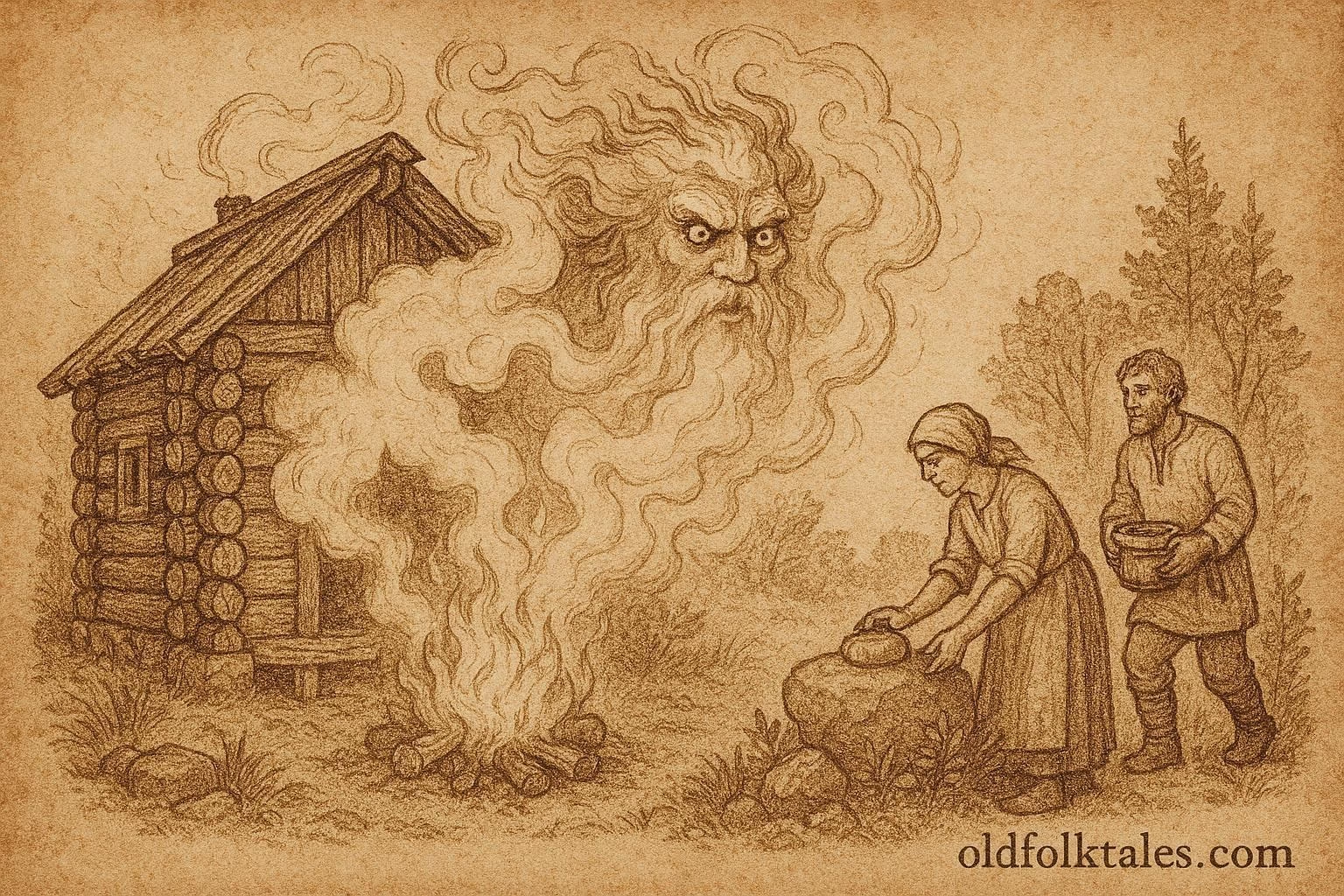
In the old villages of Eastern Europe, where woodsmoke curled through the air and winters pressed long and hard, there stood the banya, the bathhouse a place both practical and sacred. It was there that people washed away the burdens of the day, and there too that they encountered the unseen presence known as the Bannik, guardian and spirit of the bathhouse.
Though unseen by most, every villager knew that the Bannik was real. The elders whispered that he was as old as the hearth gods and as temperamental as the weather. He could be a protector, granting warmth and healing to those who treated his space with respect. Yet if offended, he could scald the careless or draw misfortune upon a home.
In a small village near the Dnieper River lived a woman named Anya, known for her skill in herbs and healing. She tended the village bathhouse, ensuring the fire burned evenly and the stones were clean. She always left a portion of bread, salt, and soap near the bench, murmuring, “For you, kind Bannik, keeper of steam and stone.”
Explore the mysterious creatures of legend, from guardians of the sacred to bringers of chaos
One harsh winter, when the snow buried the cottages and frost cracked the windows, a stranger came to the village seeking warmth. He was a traveler named Viktor, rough in manner and skeptical of superstition. When told not to bathe after midnight, he laughed. “Spirits? In steam and wood? I will have no spirit command me.”
Ignoring every warning, he entered the banya after dark. The fire flickered low, shadows swayed across the wooden walls, and the air shimmered with heat. He poured too much water on the stones, sending up a roar of steam. “Come out, ghost of the bathhouse!” he mocked. “If you are real, show yourself!”
At that moment, the steam thickened into a strange shape a man made of mist, his eyes glowing like embers. His skin shimmered like wet bark, and his voice was as deep as the earth. “You pour water without asking. You shout in a sacred place. Leave before I burn away your arrogance.”
Viktor stumbled back in fear, but pride held him. “You are only smoke!” he cried and reached to strike the air. The steam coiled around him, and a terrible heat filled the room. His skin blistered, and he ran screaming into the snow, his pride melted away by pain and terror.
The next morning, the villagers found him trembling beside the bathhouse, his eyes wide and his hands red as flame. He told them of the figure in the steam and begged forgiveness. Anya, with a calm heart, carried bread and salt into the banya. She whispered softly, “Forgive the foolish and keep our homes safe.”
The fire crackled gently in reply. The air grew warm, peaceful. That night, the villagers dreamed of gentle steam and laughter, the sign that the Bannik had accepted their offering.
In the seasons that followed, they treated the bathhouse with renewed reverence. Before each family bathed, they crossed themselves or bowed their heads. They left small gifts of soap, bread, or coins and never entered in anger. Women whispered that the Bannik helped newborns enter the world safely, for many births took place in the warm steam of the banya. But they also warned that to bathe during holy days or quarrel inside was to invite the spirit’s wrath.
It was said that when the water boiled too fiercely or the stones cracked suddenly, the Bannik was displeased. And if one felt an unseen hand stroke their back gently, it meant blessing. But if the hand pressed hard, it was a warning to leave.
The people of the village learned a quiet truth that the sacred exists not only in temples but in the everyday spaces where fire and water meet. The bathhouse became a symbol of purity, balance, and respect for unseen guardians.
To this day, in parts of Russia and Eastern Europe, some still toss a few drops of water on the hot stones and whisper thanks before they bathe. They may not see him, but they remember the Bannik the old spirit who rewards respect and punishes pride, who keeps the warmth alive in every home that honors him.
Author’s Note:
The Bannik reflects a central theme in Slavic spirituality that even the simplest household places carry sacred energy. This tale teaches that respect for tradition and humility before the unseen sustain harmony between humans and spirits. Every fire, every bath, every breath of steam is a meeting between the physical and the spiritual.
Knowledge Check:
1. Who is the Bannik in Slavic folklore?
He is the spirit of the bathhouse who blesses respectful people and punishes the careless.
2. What offerings were left for the Bannik?
Villagers offered bread, salt, and soap as signs of respect and gratitude.
3. What happened to Viktor when he mocked the Bannik?
He was burned by the spirit’s steam as punishment for his arrogance.
4. How did the villagers restore peace with the Bannik?
Anya brought offerings and prayers to the bathhouse, asking forgiveness.
5. What moral does this story teach?
To respect sacred spaces and the invisible forces that protect daily life.
6. How is the Bannik remembered today?
Some still leave offerings before bathing, honoring the old household spirit.
Source:
Adapted from Slavic Folklore by Alexander Afanasyev (1865)
Cultural Origin:
Slavic Peoples, Eastern Europe






