Bon Odori is the vibrant dance-centered ritual of Obon, a Japanese festival honoring ancestral spirits. Observed in mid-August in most regions, though in July in some, Bon Odori transforms towns and temple grounds into spaces of light, movement, and communal memory. The festival is rooted in both Buddhist memorial practices and pre-Buddhist folk traditions, blending spirituality with local cultural expression.
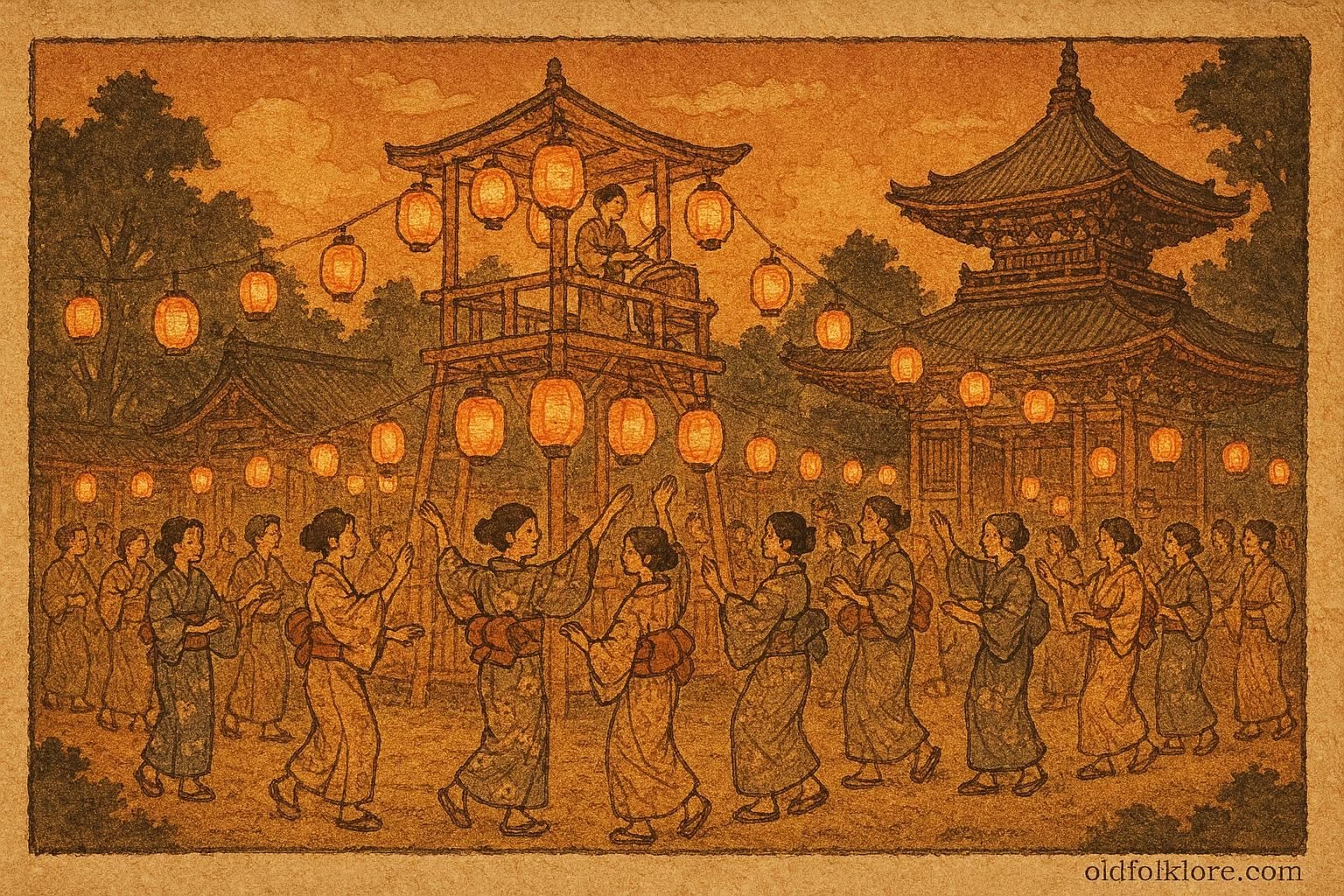
During Bon Odori, families welcome ancestral spirits for a brief return to the world of the living. Temporary altars, called butsudan, are adorned with flowers, incense, food offerings, and lanterns, which serve to guide spirits home and back again. Villagers gather in temple courtyards, open squares, or riverside grounds, dancing to the rhythm of traditional music. Each region features unique dance steps, rhythms, and costumes, which often tell local histories or agricultural stories. Drums, flutes, and bells accompany the dancers, while lanterns float in rivers or are lit in temple precincts to honor and guide the ancestral souls.
Participation is both communal and intergenerational. Children, adults, and elders dance in circles around a raised stage (yagura) where musicians perform. The movements are simple yet deliberate, emphasizing harmony, coordination, and shared memory. Visitors are invited to join, and the act of dancing itself becomes a form of offering, expressing respect, joy, and remembrance.
Mythic / Cultural Meaning
At its core, Bon Odori embodies filial piety and the cyclical rhythm of life and death. The festival enacts the belief that ancestral spirits return to the living world for a short visit, reinforcing the permeable boundary between life and the afterlife. Lanterns, dances, and offerings are symbolic gestures of guidance, respect, and communal care, ensuring that ancestors are honored and the family lineage protected.
The dances themselves are ritual enactments: movements and patterns often mirror agricultural rhythms or mythic stories from local folklore. For example, certain steps imitate the planting or harvesting of rice, linking the living and deceased generations in a shared cycle of sustenance and gratitude. Through the festival, communities reaffirm both their social cohesion and moral duties, caring for the dead and maintaining harmony among the living.
Bon Odori also reflects Japan’s relationship with cyclical time and natural rhythms. The timing of Obon after summer harvests emphasizes both gratitude for sustenance and the impermanence of life, mirroring Buddhist teachings on transience and mindfulness. Dancing, laughter, and shared meals transform remembrance into celebration, highlighting how death is honored not only through solemnity but also through joyful communal expression.
How It Was Practiced
Historically, Obon and Bon Odori were observed within village contexts, with families performing household rituals while communities organized dances around temple halls or rivers. The dances often lasted several days, with steps passed down orally and variations emerging regionally. Lanterns were floated on water or hung in courtyards, and communal meals of seasonal foods, fruits, and sweets were shared among neighbors.
Monks or temple priests sometimes presided over rites, reciting sutras or guiding offerings, integrating Buddhist practices of merit-making with folk customs of ancestral veneration. In rural areas, dances incorporated stories of local deities, agricultural cycles, or legendary ancestors. In urban areas, Bon Odori became public spectacles, reinforcing civic pride while retaining spiritual significance.
Modern Bon Odori continues these practices, often combining traditional music, dance, and lantern rituals with festival booths, food stalls, and fireworks, bridging the sacred and the social. Families may visit graves beforehand, cleaning tombstones and offering incense, ensuring ancestors are properly prepared for the communal celebration.
Author’s Note
Bon Odori demonstrates the Japanese cultural blending of spirituality, social cohesion, and seasonal awareness. Through dance, music, and lantern light, participants actively honor their ancestors while reaffirming community bonds and moral responsibility. The festival is a living example of how ritual can merge remembrance with joy, maintaining the sacred in ordinary life. Bon Odori reminds us that honoring the past is inseparable from celebrating the present, and that communal expression, in dance and song, is a potent form of spiritual and social continuity.
Knowledge Check
1. What is Bon Odori?
It is the dance-centered ritual of Obon, a festival honoring ancestral spirits in Japan.
2. When is Bon Odori typically celebrated?
In mid-August in most regions, but in July in some parts of Japan.
3. What is the purpose of lanterns in Bon Odori?
Lanterns guide ancestral spirits home and back to the spirit world, symbolizing care and remembrance.
4. How do regional differences affect Bon Odori?
Different regions have unique dance steps, rhythms, and costumes reflecting local history and folklore.
5. How does Bon Odori connect with agricultural cycles?
Many dance movements imitate planting or harvesting, linking ancestors and living communities in shared seasonal rhythms.
6. What moral or spiritual values does Bon Odori emphasize?
Filial piety, social harmony, mindfulness of life and death, and gratitude toward ancestors and nature.