The Caloian, also known as Caloiana or Muma Ploii, is one of Romania’s most ancient rainmaking rituals. Practiced most often in rural communities, especially during long droughts, it centers on crafting a small clay effigy that represents a symbolic spirit tied to fertility, agriculture, and the rhythm of the land. Though today it often includes Christian elements, the ritual’s roots stretch back to pre-Christian, Paleo-Balkan traditions that honoured nature’s cycles and the mysterious forces believed to direct them.
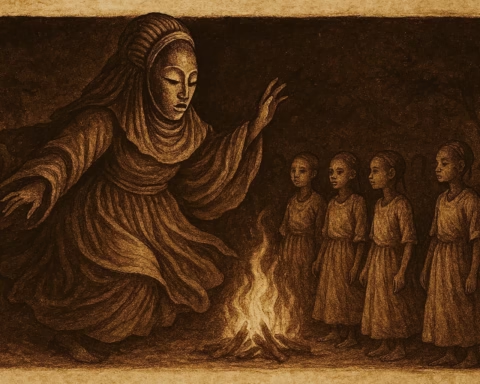
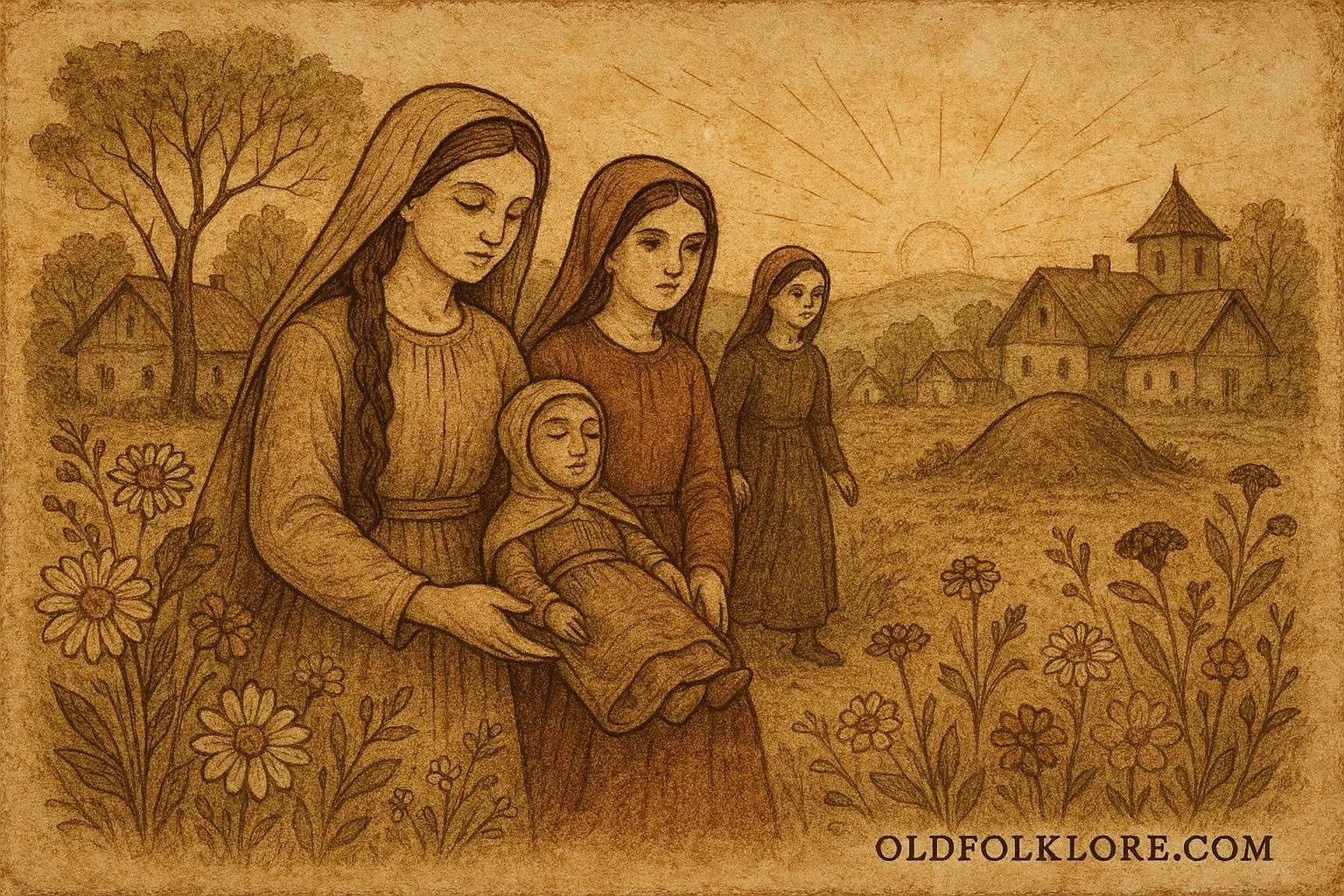
The ceremony is usually led by young girls, who gather clay from riverbanks or fields and shape it into a tiny human figure. This effigy becomes the “Caloian,” a symbolic being whose “death” and “rebirth” are meant to bring rain, growth, and harmony back to the earth. Once shaped, the effigy is washed, dressed in miniature clothes or flowers, and carried in a procession accompanied by songs, laments, or improvised chants that resemble funerary verses.
Origin and Cultural Background
The Caloian ritual appears across several Romanian regions, Muntenia, Oltenia, and Moldavia, each preserving slightly different variations. Scholars believe the practice predates Christianity and may descend from Paleo-Balkan rites invoking agricultural spirits or seasonal deities. These rites often involved symbolic burials or offerings meant to influence natural forces.
Over centuries, as Christianity spread, communities incorporated elements from Christian funerary customs, such as short prayers or a ritual “funeral”, but the fundamental meaning remained tied to rain, rebirth, and fertility. The ritual commonly took place between Easter and Ascension, though in times of drought it could be performed whenever it was most urgently needed.
Caloian serves as both a practical prayer for rain and a mythic reenactment of nature’s renewal, blending ancient cosmology with local village life.
The Ritual in Practice
The ceremony has three central stages, creation, burial (or drowning), and resurrection.
1. Creating the Effigy
A group of girls gather clay and shape a small figurine, sometimes as small as a doll and other times nearly the size of a child. Villagers wash the effigy in a stream, echoing purification rites, and decorate it with wildflowers, herbs, or woven cloth. The atmosphere is both playful and sacred: the girls laugh, sing, and yet treat the effigy with a reverence normally reserved for the dead.
2. The Mock Funeral
Once prepared, the Caloian is placed on a small bier or woven mat and carried in a procession. The girls sing chants that imitate funeral laments, though the tone is symbolic rather than mournful. In many villages, the effigy is buried in a shallow grave; in others, it is set afloat on water and allowed to drift away. The chosen method reflects local beliefs, burial symbolizes a seed planted in the soil, while drowning symbolizes returning the spirit to the waters of life.
Some communities include a priest or incorporate fragments of Christian rites, yet the ceremony remains fundamentally a plea to nature.
3. Exhumation and Rebirth
After three days, symbolic of renewal, the effigy is exhumed, broken, or scattered. This final act emphasizes the belief that rebirth follows symbolic death. Villagers may sing joyous songs, calling for rain and thanking unseen forces for listening.
The ritual ends with a communal meal or shared bread, reinforcing the idea that prosperity must be collective. Even today, echoes of the Caloian ceremony surface during festivals or drought years, keeping the tradition alive.
Mythic Connection
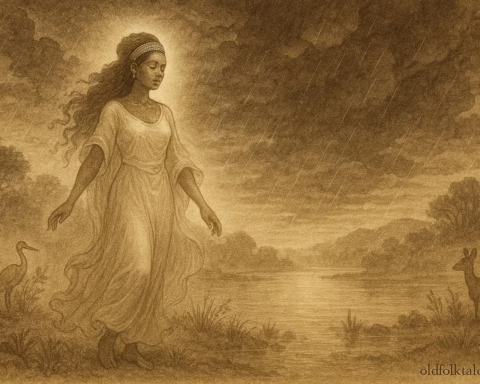
Although the Caloian ritual does not point to a single named deity, it is rooted in a worldview where nature is alive, responsive, and spiritually interconnected. The effigy is both a symbolic spirit of rain and a reminder of humanity’s dependence on the earth. Its burial reflects ancient European vegetation myths, traditions in which a symbolic figure “dies” to ensure the land can live again.
Some folklorists interpret Caloian as a memory of earlier fertility gods or agricultural spirits, similar to figures found across the Balkans and Eastern Europe. Others see it as a blend of pagan and Christian cosmology, where death and resurrection reflect both seasonal cycles and spiritual hope.
The ritual’s endurance shows the Romanian people’s long relationship with nature: a partnership marked by humility, respect, and the belief that humans and earth share a sacred bond.
Author’s Note
This article explores the Caloian ritual as a rural Romanian expression of spiritual renewal and agricultural hope. The tradition reveals how communities blend ancient seasonal symbolism with local customs to sustain harmony between land, people, and the divine.
Knowledge Check
1. What is the Caloian ritual primarily used for?
It is a rainmaking ceremony meant to restore fertility and agricultural balance during drought.
2. Who usually creates the Caloian effigy?
Groups of young girls shape the clay figure and lead the ceremony.
3. Why is the effigy buried or drowned?
These acts symbolize the death of a spirit whose rebirth will bring rain and renewal.
4. Does the ritual predate Christianity?
Yes. It originates from ancient Paleo-Balkan traditions later blended with Christian elements.
5. What happens after three days?
The effigy is exhumed or destroyed to mark symbolic resurrection and the hope for rainfall.
6. What cultural belief underlies the ritual?
That nature responds to symbolic acts of renewal and that humans share a spiritual bond with the land.