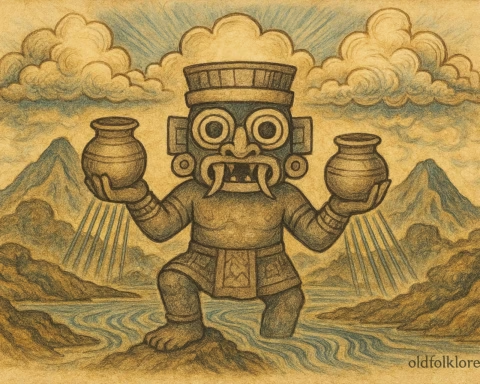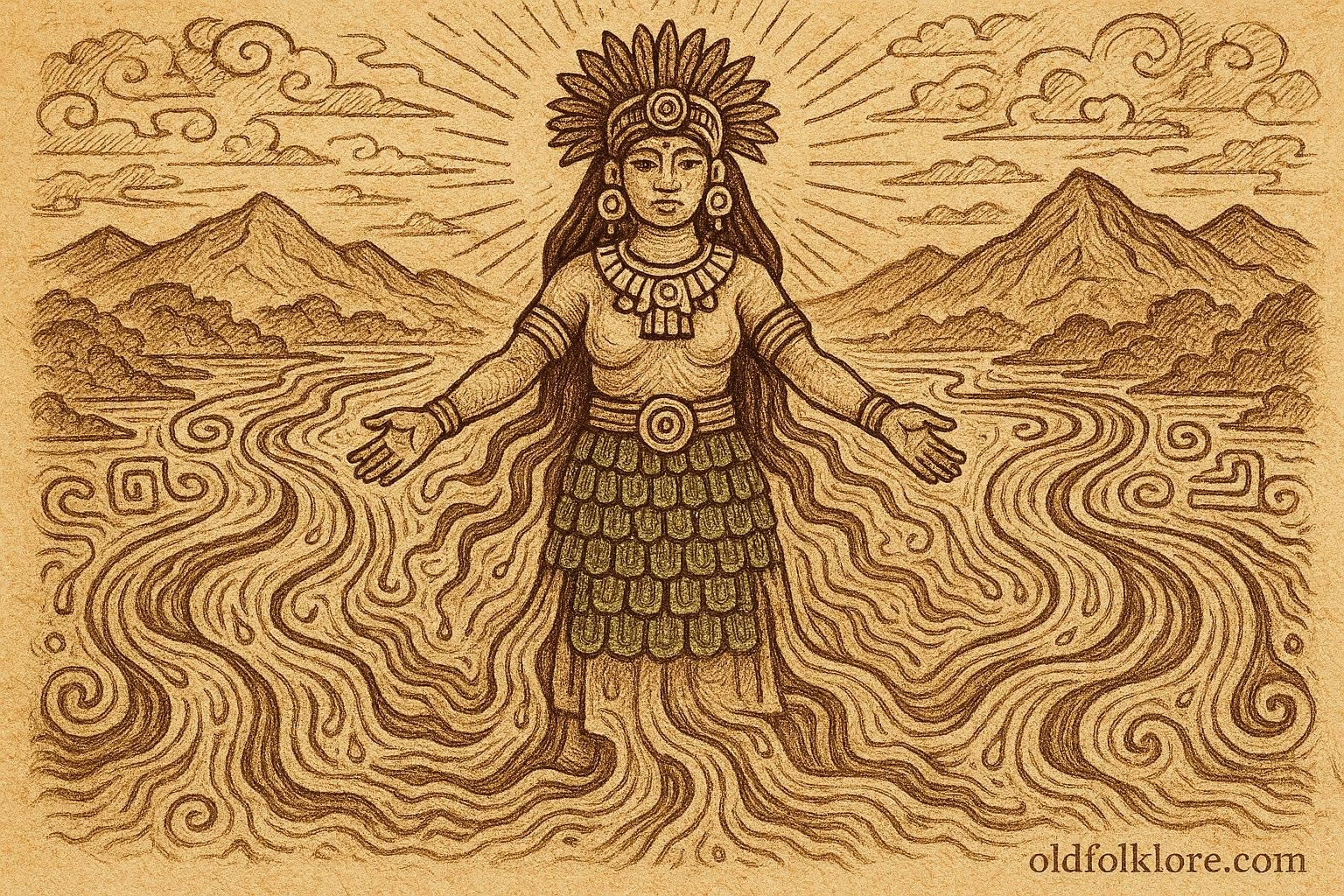
Chalchiuhtlicue, “She of the Jade Skirt,” is the Aztec goddess of rivers, lakes, streams, and all fresh waters that sustain life. She is revered as a divine mother figure, presiding over fertility, agriculture, healing, and childbirth. In Aztec cosmology, the waters she governs are both nurturing and perilous, able to grant life to the earth or wash it clean through destruction.
She is sister or consort to Tlaloc, the rain god, and together they maintain the delicate balance of rainfall, fertility, and seasonal cycles. Chalchiuhtlicue’s sacred symbols reflect her jade-colored purity and fluid power: flowing blue-green garments, water jars, and waves adorned with shells or aquatic creatures. Temples dedicated to her stood near bodies of water, where priests offered flowers, jade, and the first drops of ceremonial water drawn at dawn.
Chalchiuhtlicue is especially beloved by women. As patron of childbirth, she oversees the life-giving waters that accompany birth, ensuring protection for mothers and infants. Through rivers and lakes, she offers purification, abundance, and renewal, yet her myths also remind worshippers that water bears the power to cleanse through destruction when humanity strays from balance.
Mythic Story: Chalchiuhtlicue and the Flood
In the age before the sun we now know, the world was governed by the fourth sun, under which Chalchiuhtlicue watched over humankind with compassion. Her jade skirt shimmered like river water beneath the dawn, and wherever her footsteps touched the earth, streams bloomed into existence. She poured her blessings freely, filling lakes, feeding crops, and guiding the waters that sustained villages across the land.
But over time, the hearts of humans grew dark. They became ungrateful, turning from the divine laws and scorning the gifts they were given. They polluted sacred waters, dishonored the rituals, and treated one another with cruelty. Chalchiuhtlicue’s heart grew heavy as she watched the corruption spread. Her waters, once symbols of purity, now reflected the disorder within human souls.
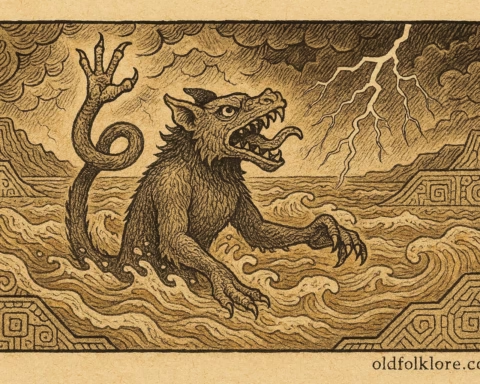
Seeing their wickedness, she wept. Yet her tears were no ordinary tears, they became storms, rivers bursting their banks, and the beginnings of a great and terrible flood. The heavens darkened as Chalchiuhtlicue released the waters of purification. She did not act from malice, but from the deep sorrow of a divine mother forced to wash away her errant children to restore cosmic balance.
The waters surged across mountains and valleys. Cities and fields vanished beneath rising lakes. The wooden beings, humankind of this earlier age, struggled but could not escape the flood that swept through the world. Only a few survived, hidden within hollowed trees or carried atop floating debris, holding onto hope as everything familiar disappeared beneath the sacred waters.
For many days and nights, Chalchiuhtlicue’s flood cleansed the world. When the waters receded, the land lay renewed. Fertile soils stretched across the plains, rid of corruption. Chalchiuhtlicue looked upon the quiet earth and resolved that when humanity rose again, they must honor the waters that sustain them and respect the divine laws that preserve balance.
After the flood, she taught the survivors how to honor her properly: offerings of jade, shells, and flowers cast into rivers; prayers spoken over newborns; and rituals ensuring lakes and streams were kept pure. She instructed priests to draw water each morning with reverence, recognizing it as a gift of life. Through these teachings, Chalchiuhtlicue restored harmony between humans and the sacred waters that birthed them.
Her myth became a reminder that water is both mother and judge, gentle and powerful. The Aztecs honored her not out of fear alone, but gratitude, knowing that without her rivers and lakes, no crops could grow, no children could thrive, and no kingdom could endure.
To this day, Chalchiuhtlicue is remembered as the goddess who protects the vulnerable, nurtures life, and purifies the world when its balance is threatened. Her waters remain symbols of rebirth, compassion, and the cleansing power of divine justice.
Discover the gods, goddesses, and divine spirits who ruled the heavens and shaped human fate
Author’s Note
Chalchiuhtlicue’s flood myth reveals the Aztec understanding of water as a sacred force that sustains life yet demands respect. Her story teaches that neglecting balance, whether ecological, moral, or spiritual, has consequences. Through her compassion and cleansing powers, Chalchiuhtlicue reminds us that renewal often requires surrender, humility, and reverence for the forces that sustain the world. Her myth endures as a testament to the eternal relationship between humanity and the living waters that cradle all life.
Knowledge Check
Q1: What is the cultural origin of Chalchiuhtlicue?
A: She comes from Aztec mythology in central Mexico.
Q2: What domains does Chalchiuhtlicue govern?
A: Rivers, lakes, fertility, childbirth, and fresh water.
Q3: What does her name “Chalchiuhtlicue” mean?
A: “She of the Jade Skirt.”
Q4: What major event is she associated with?
A: A world-cleansing flood caused by human wickedness.
Q5: How is Chalchiuhtlicue connected to Tlaloc?
A: She is his sister or consort, and together they regulate rainfall and water.
Q6: What offerings were traditionally dedicated to her?
A: Jade, flowers, shells, and ceremonial water.
Source: Florentine Codex, Aztec Empire (Mexico)
Source Origin: Aztec (Mexico)