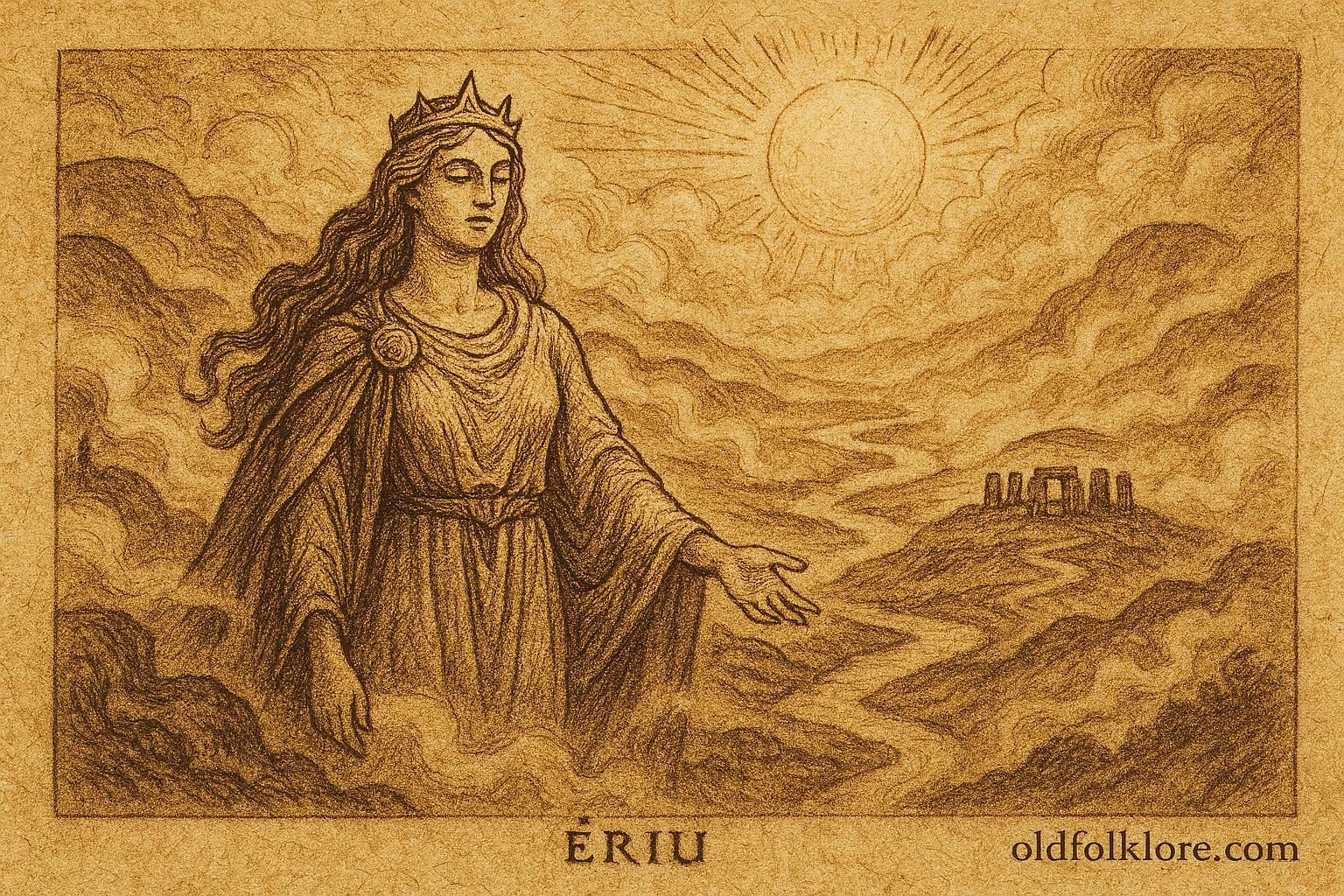
Ériu is a goddess of sovereignty, land, and national identity, her essence entwined with the very soil of Ireland. Alongside her sisters Banba and Fódla, she represents the mystical life force of the island, a spiritual embodiment of its power, fertility, and legitimacy. Ériu’s authority is recognized through the sacred rite of kingship: rulers who acknowledge her sovereignty gain legitimacy to govern.
In myths, Ériu is closely connected to the Tuatha Dé Danann, Ireland’s supernatural race of deities, heroes, and scholars. She is not merely a symbolic figure but a living presence, manifest in Ireland’s landscapes, hills, rivers, and sacred groves. Her name itself became Éire, the Irish term for Ireland, signifying her inseparable bond with the land.
Worship and veneration of Ériu involved honoring the land and its spirits, often through ritual offerings, oaths of kingship, or ceremonies acknowledging her guardianship. She is less associated with physical temples and more with sacred sites, hilltops, and natural features where the divine and mortal realms converge. Ériu’s role is both protective and legitimizing: she ensures the prosperity of the land and sanctifies those who respect its sacred authority.
Mythic Story: Ériu and the Right to Rule
Long before Ireland was fully known to mortal eyes, its hills and valleys shimmered with otherworldly light, as though the island itself breathed with divine life. Ériu, the goddess of the land, walked its sacred paths alongside her sisters Banba and Fódla. Together, they shaped the mystical essence of Ireland, their presence giving life to the rivers, hills, and forests. But Ériu’s power was unique: she alone bestowed sovereignty, granting kings the divine right to govern and maintain harmony between the land, its people, and the spirits that watched over them.
When the Tuatha Dé Danann arrived from distant shores, the land itself seemed to stir. Warriors and leaders among them sought to claim dominion, but Ériu’s authority was clear: no ruler could govern without acknowledging her sovereignty. In one tale, a chieftain named Érimón approached her, seeking to unite the clans under his leadership. Ériu emerged from a mist that shimmered with the green of the valleys and the silver of the rivers. Her eyes, deep as the sacred lakes, held both judgment and invitation. Érimón bowed, offering his oath to honor the land and its guardian. Only then did Ériu bless his kingship, binding his rule to the life of the island itself.
Ériu’s sovereignty was not merely symbolic. Legends tell that the land flourished when kings ruled with her blessing. Crops ripened in abundance, rivers teemed with fish, and peace prevailed among clans. But if a ruler disrespected Ériu or attempted dominion without recognition of her authority, misfortune would follow: harvests failed, rivers overflowed, and unrest spread across the hills. Her presence was a reminder that true authority must align with the land’s will and the divine order.
In the trio of Ériu, Banba, and Fódla, Ériu is often singled out in stories as the namesake of the island. When the Milesians, mortal ancestors of the Irish, arrived to claim Ireland, the three goddesses appeared to them, each requesting that the land bear her name. Ériu’s request was granted, the name Éire enduring as a testament to her enduring guardianship. Her sisters’ names persisted in poetic references, but it was Ériu who remained at the heart of the island, the living spirit to whom all rulers must pay homage.
Throughout Irish myth, Ériu embodies the interconnection of land, people, and power. She teaches that rulership is not granted through force alone but through recognition of the sacred balance between human ambition and natural harmony. The hills, rivers, and forests are her body; the fertility of the soil, her gift. The legitimacy of kings depends upon their willingness to honor and sustain her life force. Thus, Ériu is not only a goddess of sovereignty but also a guardian of Ireland’s identity, ensuring that its name, culture, and land endure through the ages.
Even today, Ériu’s presence lingers in stories, folklore, and the consciousness of Ireland. Her essence is felt in the rolling hills, the sacred mounds, and the ancient rituals that celebrate the connection between people and land. By honoring Ériu, communities affirm their respect for Ireland’s past and their responsibility toward its future, a living testament to the goddess who binds sovereignty to the very soul of the island.
Author’s Note
Ériu teaches that true power arises from alignment with natural and spiritual order. Her sovereignty is a reminder that leadership, legitimacy, and prosperity depend upon respect for the land and its divine essence. Through her myths, Ériu exemplifies the bond between people and place, showing that identity and harmony flourish when humans honor the sacred rhythms of their world.
Knowledge Check
Q1: What is Ériu the goddess of?
A: Sovereignty, land, and national identity.
Q2: Which two sisters accompany Ériu in Irish myth?
A: Banba and Fódla.
Q3: How does a king gain legitimacy in relation to Ériu?
A: By recognizing and honoring her sovereignty over the land.
Q4: What is the origin of the name Éire for Ireland?
A: It comes from Ériu, who requested the land bear her name.
Q5: How does Ériu influence the land and people?
A: She ensures prosperity, harmony, and spiritual legitimacy of rulers.
Q6: Which supernatural race is Ériu associated with?
A: The Tuatha Dé Danann.
Source: Lebor Gabála Érenn and early Irish texts, Ireland.
Source Origin: Ireland (Irish Celtic)