Famadihana is a traditional funerary and renewal ritual practiced primarily among the Merina and Betsileo peoples of Madagascar’s central highlands. Rooted in centuries-old Malagasy cosmology, it centers on the respectful exhumation, rewrapping, and celebration of ancestral remains. The ritual reflects a worldview in which ancestors, known as razana, remain active members of the family, guiding the living, protecting the lineage, and reinforcing social harmony. Famadihana is not a single event but a cyclical ceremony held every five to nine years, depending on family decisions, omens, and financial readiness. Despite historical pressures from colonial administrations, Christian debates, and modern public health concerns, the rite endures as one of Madagascar’s most profound expressions of communal identity and ancestral devotion.
Description
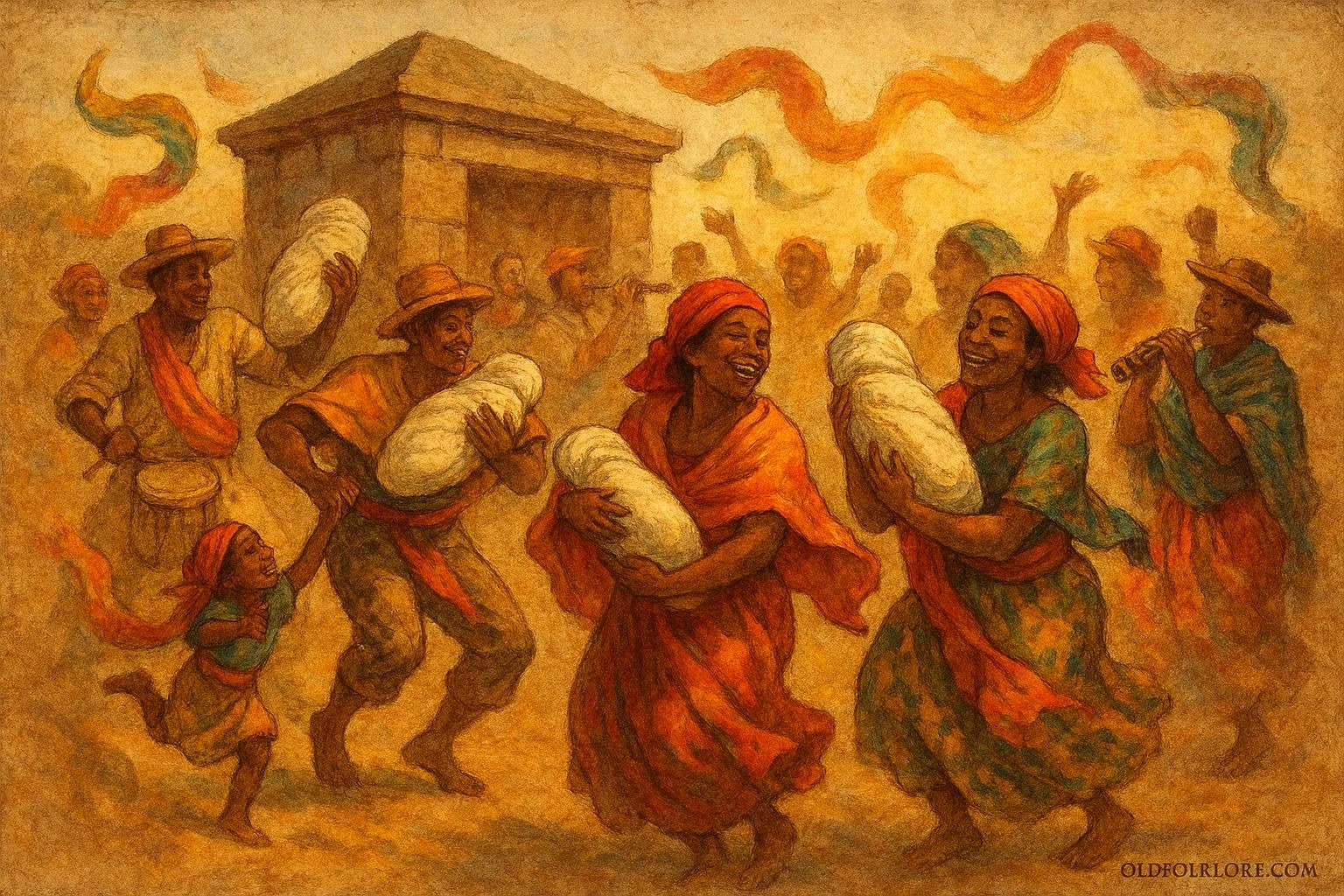
Famadihana unfolds as a multiday, community-centered celebration. Preparations begin weeks in advance as families pool resources to purchase new burial shrouds, arrange feasts, hire musicians, and gather extended relatives from distant regions. When the chosen day arrives, the family approaches the ancestral crypt, usually a stone tomb that symbolizes lineage continuity and spiritual residence. The atmosphere is both solemn and festive. Musicians strike up the rhythmic hiragasy, a traditional ensemble of drums, trumpets, and dance. Relatives bring offerings such as silk cloth, rum, rice, and symbolic gifts that represent gratitude and renewal.
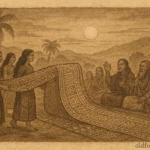
The opening rites involve blessings, prayers, and words of remembrance spoken by elders. These speeches recount family origins, retell moral lessons attributed to ancestors, and affirm the unity of the household. When the tomb is opened, attendants gently remove the bundled remains. This moment is treated with deep reverence. Elders or specially designated family members carefully lift each ancestor, wrapped in aged silk, and place them on clean mats where fresh shrouds await. The bones are not exposed; they remain enveloped, protected, and honored throughout the ceremony.
The heart of Famadihana comes next: dancing with the ancestors. Relatives and musicians encircle the rewrapped remains, lifting them in joyous procession. Music swells, dust rises, and the crowd becomes a moving river of singing, dancing, and celebration. Participants speak to the ancestors directly, updating them on family marriages, births, successes, or conflicts. Each message reinforces the living relationship between generations. Children are encouraged to approach the bundles with respect, learning early that ancestors are protectors, not distant figures.
Feasting follows. Families share roasted meat, rice dishes, and homemade drinks. Hospitality is essential; guests, neighbors, and travelers are welcomed, for opening the tomb symbolically opens the household’s generosity. After hours of celebration, the rewrapped ancestors are returned to the crypt, often placed in different arrangements that symbolize renewed harmony. As the tomb is closed, participants offer prayers for guidance, fertility, prosperity, and peace.
The ceremony serves multiple social functions. It strengthens kinship ties, resolves disputes, redistributes wealth, and reaffirms a shared sense of belonging. It is also a rite of transition: young participants step into roles once held by elders, learning the responsibilities of lineage stewardship. Through every action, the music, the offerings, the dancing, Famadihana teaches that the living exist because of the dead, and the dead remain present through the living.
Mythic Connection
Famadihana emerges from Malagasy cosmology in which razana are not merely spirits but foundational pillars of social order. Myths speak of a primordial bond between the living world (tany) and the world of the ancestors (tanindrazana), a cosmic structure in which life flows continuously between both realms. The practice of rewrapping ancestors echoes ancient beliefs about transformation, purity, and renewal. Silk itself is symbolic: its brightness and softness honor the dignity of the dead and help the living express reverence. Dancing with the ancestors reenacts the mythic idea that joy strengthens the bond between worlds. Rather than mourning, families celebrate, affirming that death is a transition, not a severance. Famadihana thus functions as a living myth, manifesting Madagascar’s understanding that spiritual wellbeing, communal stability, and ancestral harmony are inseparable.
Author’s Note
This article explores Famadihana as a ritual of kinship, renewal, and ancestral devotion within Malagasy culture. It highlights the ceremony’s social and cosmological significance, emphasizing how reburial, music, and communal celebration affirm enduring bonds between the living and their ancestors. The narrative reflects the ritual’s emphasis on continuity, respect, and the layered world that unites families across generations.
Knowledge Check
1. What is the central purpose of Famadihana?
To renew ties with the ancestors through rewrapping, celebrating, and honoring their presence in the family.
2. Why are ancestors important in Malagasy cosmology?
They are protectors who guide, bless, and maintain moral and social order within the lineage.
3. How often is Famadihana performed?
Typically every five to nine years, depending on tradition, family readiness, and local custom.
4. Why is dancing included in the ceremony?
Dancing expresses joy, strengthens ancestral bonds, and honors the belief that celebration promotes spiritual harmony.
5. What role do shrouds play in the ritual?
Fresh shrouds symbolize renewal, purity, and continued care for the ancestors.
6. How does Famadihana reinforce social unity?
It brings families together, resolves disputes, shares resources, and strengthens collective identity.