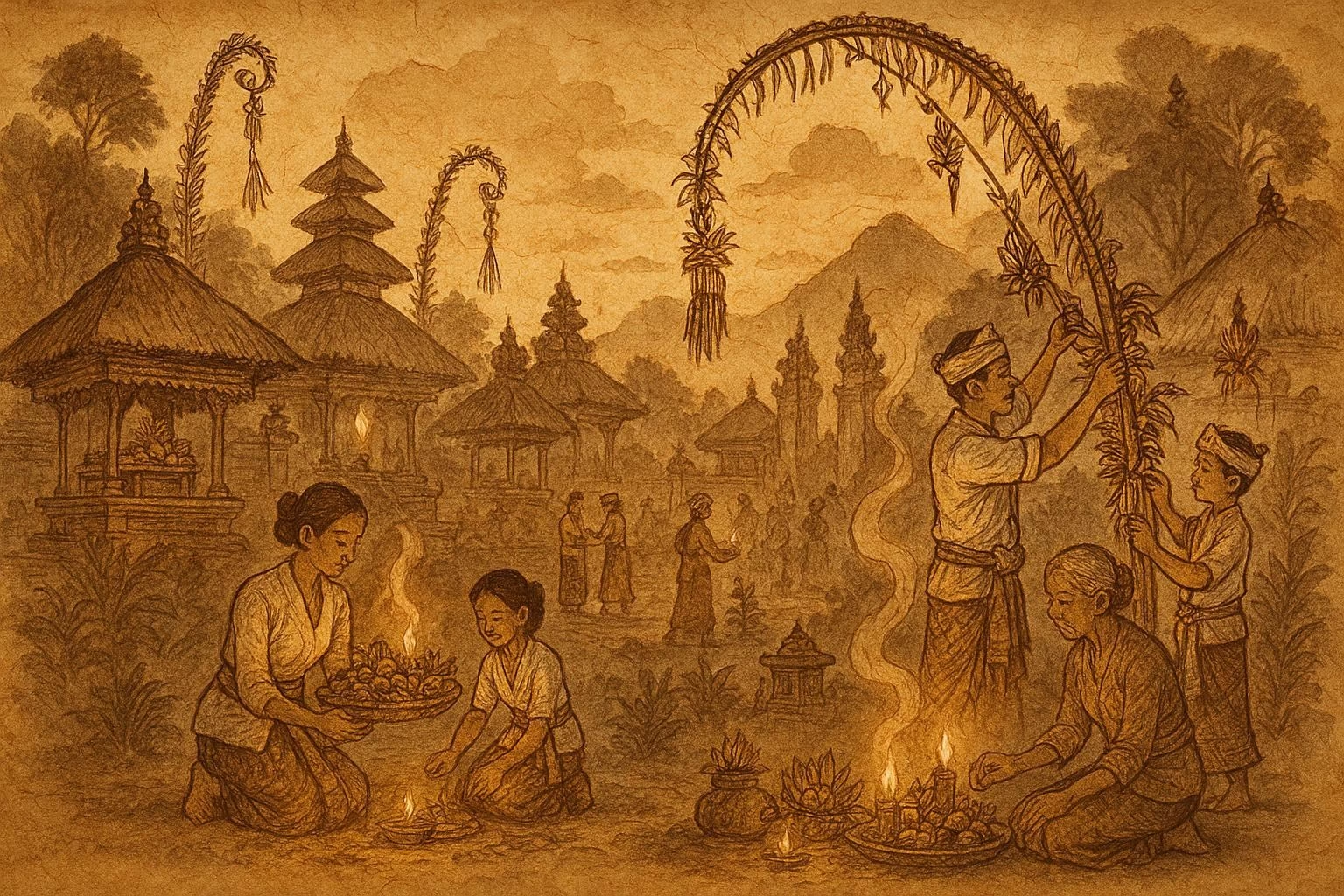
Galungan and Kuningan are among the most revered ritual festivals in Bali, Indonesia. Observed on the 210-day Pawukon calendar, these festivals mark a cosmic narrative of dharma (order) prevailing over adharma (chaos). Galungan, the opening celebration, signifies the descent of ancestral spirits to visit their descendants. Homes and temples are adorned with vibrant offerings, and tall bamboo poles called penjor line streets, symbolising prosperity and the axis between heaven and earth. Families prepare elaborate offerings such as banten (rice cones, cakes, flowers), arranging them with meticulous artistry as acts of devotion and respect.
Ten days later, Kuningan concludes the ritual cycle, marking the return of spirits to heaven after receiving blessings and offerings. Specific rituals on Kuningan include purificatory prayers, ceremonial dances, and the preparation of yellow coconut leaf decorations that symbolize spiritual cleansing and communal harmony. Both festivals emphasize the cyclical nature of time, ancestral continuity, and the community’s relationship with the unseen spiritual world.
Mythic Connection
The spiritual framework of Galungan and Kuningan embodies Hindu cosmology intertwined with Balinese animism. The descent of ancestral spirits during Galungan reflects the belief that deceased family members remain active participants in the moral and social order of the living. Penjor bamboo poles, bending under the weight of offerings, represent Mount Agung, the cosmic axis, linking the earthly realm with the divine.
The narrative of dharma versus adharma resonates through these rituals, reminding participants that maintaining harmony, through offerings, ethical living, and ritual observance, ensures cosmic balance. Kuningan reinforces the moral dimension by symbolically returning spirits to the heavens, carrying blessings and knowledge for the living. In essence, these festivals are enactments of mythic order: humans cooperating with the gods and ancestors to maintain the equilibrium of the universe.
Ritual Practice
During Galungan, Balinese families engage in multi-layered ritual activities. Morning prayers (sanggah or pura ceremonies) are held in family shrines, where offerings of rice, flowers, and incense are presented. Community temples organize processions, music (gamelan), and traditional dances that narrate epic stories such as the Mahabharata or local ancestral legends. The act of decorating roads with penjor serves not only as a spiritual gesture but also as a public affirmation of cultural identity and collective faith.
Kuningan rituals involve focused purification (melasti), where ceremonial items are cleansed in water, and offerings are placed in specific temple sites to ensure proper spiritual transmission. The final stage of the festival often features the removal or consumption of offerings, reinforcing the principle of shared abundance and reinforcing social cohesion. These rituals demonstrate a seamless blending of domestic, temple, and community spaces, emphasizing the interconnection of spiritual, social, and ecological realms.
Author’s Note
Galungan and Kuningan exemplify how ritual functions as a living dialogue between the human and spiritual worlds. The Balinese approach to ancestral and cosmic forces highlights the integration of daily life with ethical, moral, and ecological consciousness. Beyond spectacle, these rituals cultivate mindfulness of temporal cycles, social responsibility, and the sustaining power of shared tradition. For contemporary observers, the festivals remain a testament to cultural resilience, where myth, ancestor veneration, and communal artistry intersect.
Knowledge Check
Q1: What does Galungan celebrate in Balinese Hindu cosmology?
A1: Galungan celebrates the victory of dharma (cosmic order) over adharma (chaos) and marks the descent of ancestral spirits.
Q2: What are penjor and their symbolic meaning?
A2: Penjor are tall bamboo poles decorated with offerings, symbolizing Mount Agung and the connection between heaven and earth.
Q3: How long after Galungan is Kuningan observed?
A3: Kuningan is observed ten days after Galungan.
Q4: What kinds of offerings are made during these festivals?
A4: Offerings include rice cones (tumpeng), cakes, flowers, and yellow coconut leaf decorations (banten).
Q5: How do these rituals reflect the Balinese relationship with ancestors?
A5: They embody ancestral veneration, with spirits believed to visit during Galungan and receive blessings before returning to heaven at Kuningan.
Q6: How do Galungan and Kuningan integrate social and ecological values?
A6: Rituals foster community cohesion, collective labor in decoration and offerings, and highlight harmony between humans, nature, and the spiritual realm.