The Ghost Dance Movement emerged in the late nineteenth century during a period of extreme disruption for Native American nations. As buffalo herds collapsed, lands were seized, and communities faced military pressure, many tribes struggled to maintain spiritual and cultural foundations. In 1889, a Northern Paiute prophet named Wovoka experienced a powerful vision during a solar eclipse. He taught that through righteous living, nonviolence, and a sacred circle dance, Native peoples would be renewed.
Wovoka’s message spread quickly across the Great Basin, the Great Plains, and beyond. Tribes including the Lakota, Cheyenne, Arapaho, Shoshone, and Kiowa adopted the ritual and gave it distinct meanings. Although communities adapted the dance in unique ways, all held to a shared hope for restoration: the return of ancestors, the revival of the buffalo, and the renewal of a world in balance.
Description
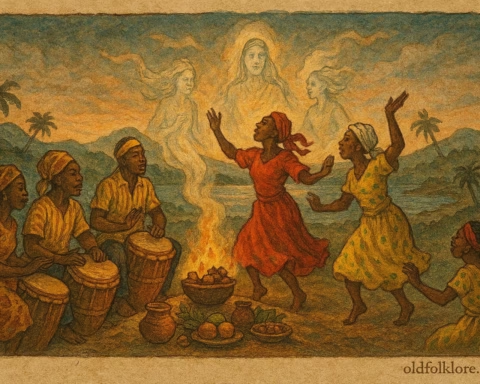
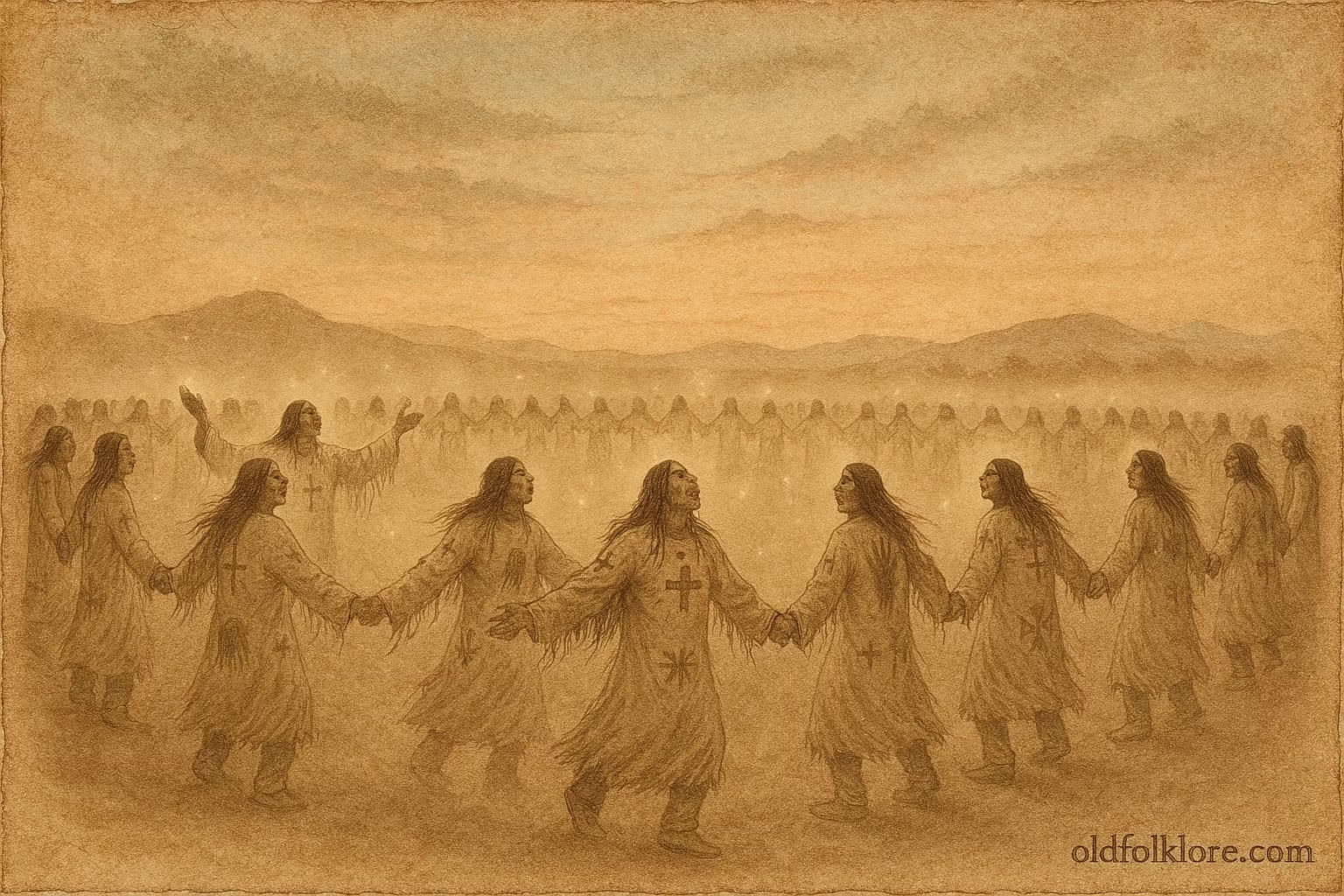
The Ghost Dance ceremony centered on a rhythmic, circular dance performed for hours, and sometimes for days. Participants joined hands in a wide ring, swaying in slow steps while singing sacred songs. The movement was gentle but constant, building a hypnotic sense of unity. Believers entered a prayerful state, hoping to receive visions or messages from ancestors.
The clothing worn during Ghost Dance rituals carried deep symbolism. Many dancers created Ghost Shirts, garments believed to offer spiritual protection. Decorated with painted suns, birds, stars, or sacred animals, these shirts expressed a wish for cultural renewal.
Songs played an essential role. Each tribal group added verses drawn from local traditions or recent visions. These songs spoke of returning animal nations, the healing of the land, and a future free from violence. Although the dance differed slightly from tribe to tribe, its emotional power remained consistent. The ceremony created a sense of shared destiny during a time of intense oppression.
The movement emphasized moral behavior as well. Wovoka instructed followers to avoid conflict, treat others kindly, and maintain peace even under hardship. Participants viewed the ritual not only as a dance but also as a pathway back to spiritual balance.
Unfortunately, U.S. authorities misinterpreted the growing movement as a sign of rebellion. Fear escalated as more communities joined the dance. This misunderstanding contributed to the tragic events of December 1890 at Wounded Knee, where hundreds of Lakota men, women, and children were killed. Although the massacre ended large-scale gatherings, the spiritual meaning of the Ghost Dance lived on.
Mythic Connection
At its heart, the Ghost Dance was a vision of cosmic restoration. Wovoka’s prophecy drew from older Paiute traditions that linked dance, spirit communication, and seasonal renewal. Through disciplined ritual, humans could help realign the world with sacred order.
Different tribes integrated the prophecy into their own mythologies. For many Plains nations, the dance echoed ancient beliefs about cycles of death and rebirth. Ancestors were not gone; they remained present, waiting for the right moment to rejoin the living. The buffalo, a central figure in Indigenous cosmology, symbolized more than food or survival, it represented abundance, freedom, and the harmony between human beings and nature.
By dancing, communities enacted a mythic renewal of the world. The circle itself mirrored the sacred hoop, the symbol of life’s continuity. The rhythmic steps imitated the movement of stars, seasons, and migrating herds. Participants believed the dance could thin the barrier between the seen and unseen, allowing messages, visions, and healing to flow.
The mythic power of the Ghost Dance also lay in its message of peace. Wovoka’s teachings emphasized nonviolence, forgiveness, and purification. Renewal would not come through warfare but through spiritual alignment. The dance was both prophecy and prayer, an embodied plea for a world restored to balance.
Even after the movement faced suppression, its mythic foundations endured. Many tribes continued to teach the songs privately, linking them to broader traditions of resilience, dignity, and cosmic harmony. The Ghost Dance became a symbol of cultural survival in the face of overwhelming odds.
Author’s Note
The Ghost Dance Movement remains one of the most poignant expressions of hope in Native American history. It blended prophecy, ritual, and ancestral memory into a powerful call for renewal. Though it ended in tragedy at Wounded Knee, the deeper message of the movement continues to inspire discussions about cultural resilience, healing, and the enduring bond between people and the spirit world. The Ghost Dance teaches that ritual can become a language of strength, even during the darkest periods of human experience.
Knowledge Check
1. Who founded the Ghost Dance Movement?
It was founded by the Paiute prophet Wovoka in the late 1880s.
2. What was the central belief behind the dance?
That moral living and ritual dance could bring back ancestors, restore the buffalo, and renew the world.
3. Why did the movement spread so widely?
Its message of hope resonated with tribes suffering land loss, cultural pressure, and violent disruption.
4. What role did Ghost Shirts play?
They symbolized spiritual protection and carried painted designs representing renewal and divine guidance.
5. How did U.S. authorities interpret the movement?
They misread it as a threat, which contributed to the escalation toward the Wounded Knee massacre.
6. What lasting cultural meaning does the Ghost Dance hold?
It remains a symbol of spiritual resistance, cultural survival, and Indigenous resilience.