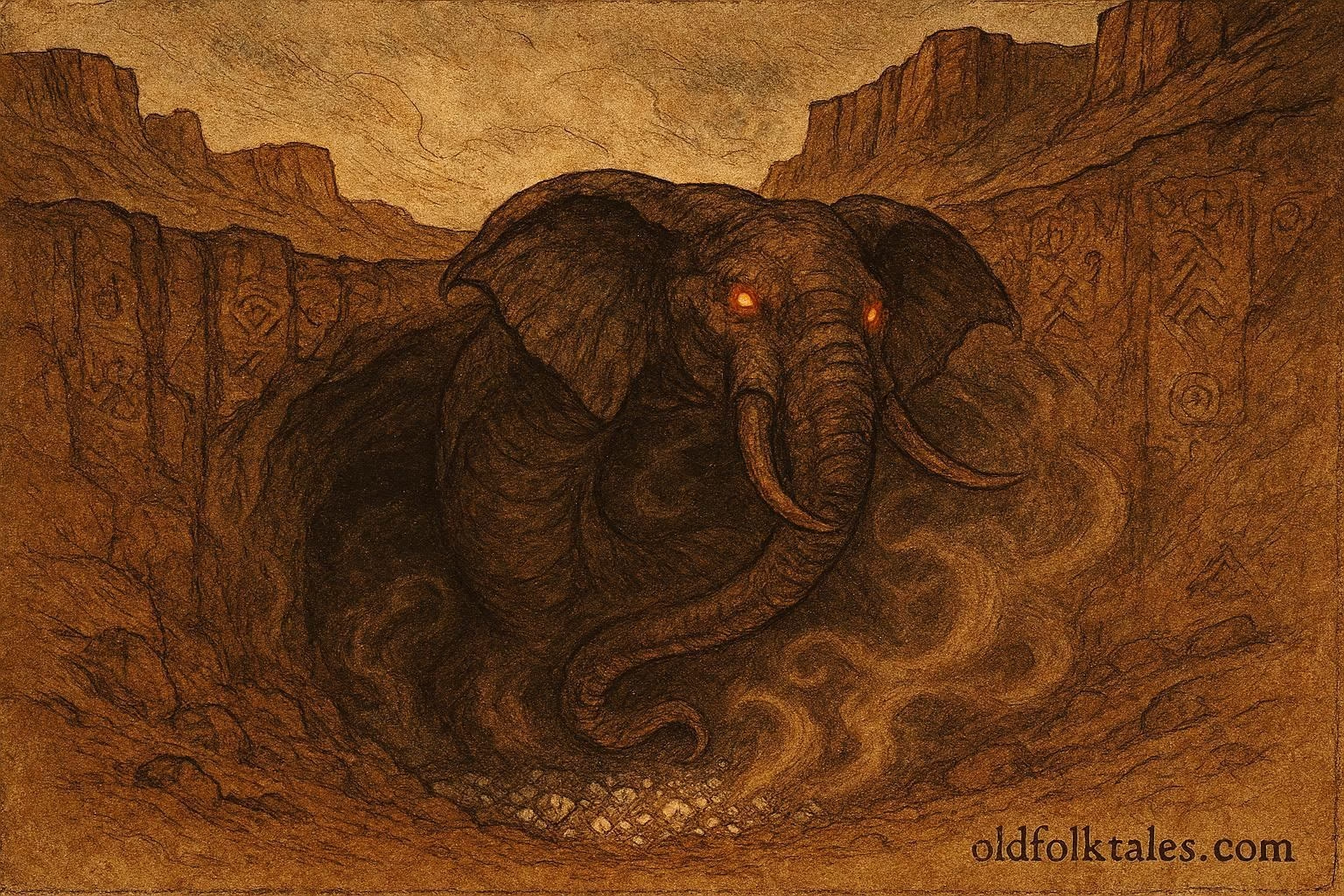
Few African legends stir the imagination as vividly as the Grootslang, the gigantic monster said to inhabit the craggy deserts, deep caverns, and diamond-filled ravines of the Richtersveld on the South Africa–Namibia border. The Grootslang is described as a hybrid creature, part elephant, part immense serpent, a fusion of strength, cunning, greed, and ancient supernatural power. It is one of Southern Africa’s most dramatic legendary beings, and its stories flow through Nama, Khoi, early European settler lore, and mining frontier folklore.
Origins and Primordial Nature
According to one tradition, the Grootslang is primordial, created in the earliest days of the world before time had rhythm or order. In these myths, the first beings of creation included creatures of impossible strength. When the gods realized that the Grootslang possessed too much power, they attempted to destroy it and separate its essence into two animals, the serpent and the elephant. But one Grootslang survived the unmaking and escaped into the world, taking refuge in the vast caverns beneath the Richtersveld mountains. From this lone survivor came a lineage of monstrous beings, each inheriting the terrible combination of serpent-cunning and elephant-force.
Learn the ancient stories behind deities of light, storm, and shadow from cultures across the world
Appearance
Descriptions vary across oral accounts, but consistent features include:
- Massive elephantine body, sometimes with thick legs and reddish or dust-stained skin
- Serpentine tail, extremely long and powerful, able to crush boulders or sweep prey into the water
- Enormous fangs or tusks, depending on the teller
- Glowing eyes, often amber or emerald, said to reflect the diamonds it guards
- A presence that radiates ancient intelligence, unlike a normal animal
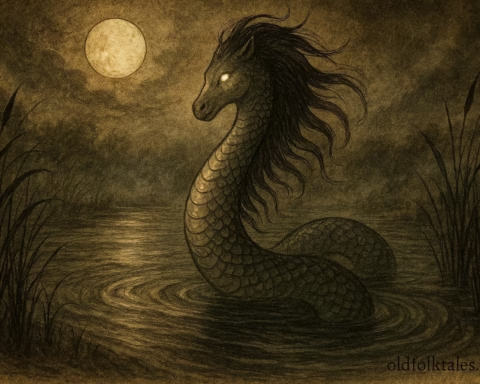
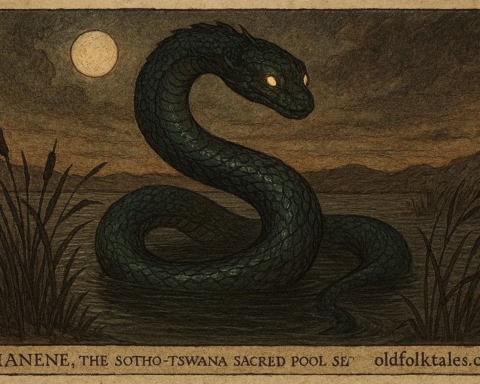
Some versions say the Grootslang can also appear as a huge snake, over 20 meters long, with the cunning of a human mind and the strength to drag oxen or people into its cavern lairs.
Habitat: The Caves of the Richtersveld
The Grootslang’s most famous home is the legendary “Wondergat”, the Deep Hole, a series of seemingly bottomless caves rumored to be filled with diamonds. Travelers, miners, and herders speak of strange roars from within the chasms, winds that move without cause, and the eerie sense of an ancient presence watching from the dark. The creature is said to dwell near the Orange River and in the dry ravines leading toward Namibia, appearing both as a land monster and a water predator.
For communities living in the region, these caves represent both danger and sacredness. To disturb the depths is to risk awakening the Grootslang or inviting its wrath.
Behavior and Powers
- Guardian of Diamonds: The Grootslang is strongly associated with diamonds and precious minerals. It guards hidden treasures not out of greed alone, but because diamonds represent the dangerous allure of wealth. Anyone who attempts to steal from its cave is said to vanish, devoured or dragged underground.
- Intelligence and Cunning: Unlike mindless monsters, the Grootslang is depicted as shrewd, patient, and capable of deceptive behavior. It plays with intruders like a strategist, not a beast.
- Control of Caverns and Water: Some narratives grant it supernatural control over deep caverns, underground rivers, or sudden floods. A traveler may be lured to a glittering rock pool only to be pulled beneath.
- Bargaining Ability: Unusually, many stories insist the Grootslang can be reasoned with. It may accept gems or offerings in exchange for sparing a life. It understands the value of wealth, and the frailty of human desire.
Myths and Oral Traditions
The Diamond Hunters’ Curse
One of the most widespread tales features early diamond prospectors who entered the Grootslang’s cave system, believing they could plunder its treasure. Only one man returned, driven half-mad, claiming the creature spoke to him, promising his freedom in exchange for jewels. His companions, he said, were taken into the earth.
The Elephant-Serpent Divide
An older oral tradition, likely Nama or Khoi in origin, describes a time when creatures were not limited by form. The Grootslang, too powerful to remain whole, was split by a divine act. But this primordial being refused division, escaping into the barren mountains and becoming the ancestor of a monstrous lineage.
Grootslang as Protector
Some modern interpretations, particularly when told by local elders, see the Grootslang not as pure evil but as a guardian spirit of the land, tasked with protecting the region’s natural riches from exploitation. In this reading, it represents the land’s resistance to the destructive hunger of outsiders.
Cultural Role and Symbolism
- Symbol of Greed and Wealth’s Price: The Grootslang symbolizes the destructive lure of unearned riches, particularly diamonds. Many tales emerged during periods of intense mining activity, when fortune-seekers died in dangerous expeditions.
- Boundary Between Human and Wild: The creature marks the threshold between civilization and the hostile wilderness. To cross the Richtersveld without respect is to challenge forces older than humanity itself.
- Survival in Harsh Landscapes: The legend reflects the brutal environment of the Richtersveld,rocky, dry, and unforgiving. The Grootslang embodies the land’s harshness and beauty.
- Memory of Primordial Creation: As a being said to predate the separation of animals, the Grootslang symbolizes a time when the world was fluid, wild, and ungoverned.
- Moral and Ecological Warnings: The myth serves as a warning:
The land keeps its secrets. Wealth taken without reverence brings ruin.
Explore the mysterious creatures of legend, from guardians of the sacred to bringers of chaos
Author’s Note
The Grootslang blends indigenous African oral tradition with the myth-making of explorers, miners, and desert travelers. Its fusion of serpent and elephant symbolism reflects a worldview in which creatures can embody the extremes of nature, strength, ancient knowledge, danger, and sacredness. Whether read as monster, guardian, or moral allegory, the Grootslang remains one of Africa’s most compelling supernatural beings.
Knowledge Check
- What two animals form the Grootslang’s hybrid nature?
Elephant and serpent. - Where is the Grootslang most commonly said to live?
In deep diamond-filled caves of the Richtersveld region. - Why did the gods attempt to destroy the original Grootslang?
Because it was created with too much power. - What does the Grootslang symbolize culturally?
Greed, danger, and the moral cost of seeking wealth. - Can the Grootslang be bargained with?
Yes, some stories say it accepts gems or offerings to spare humans. - Is the Grootslang always evil?
No, some versions portray it as a guardian spirit protecting the land.
Source: South African and Namibian oral traditions; 19th–20th century frontier accounts; early travel journals and modern ethnographic retellings
Origin: Richtersveld region (Northern Cape), Great Karas Mountains, Orange River basin