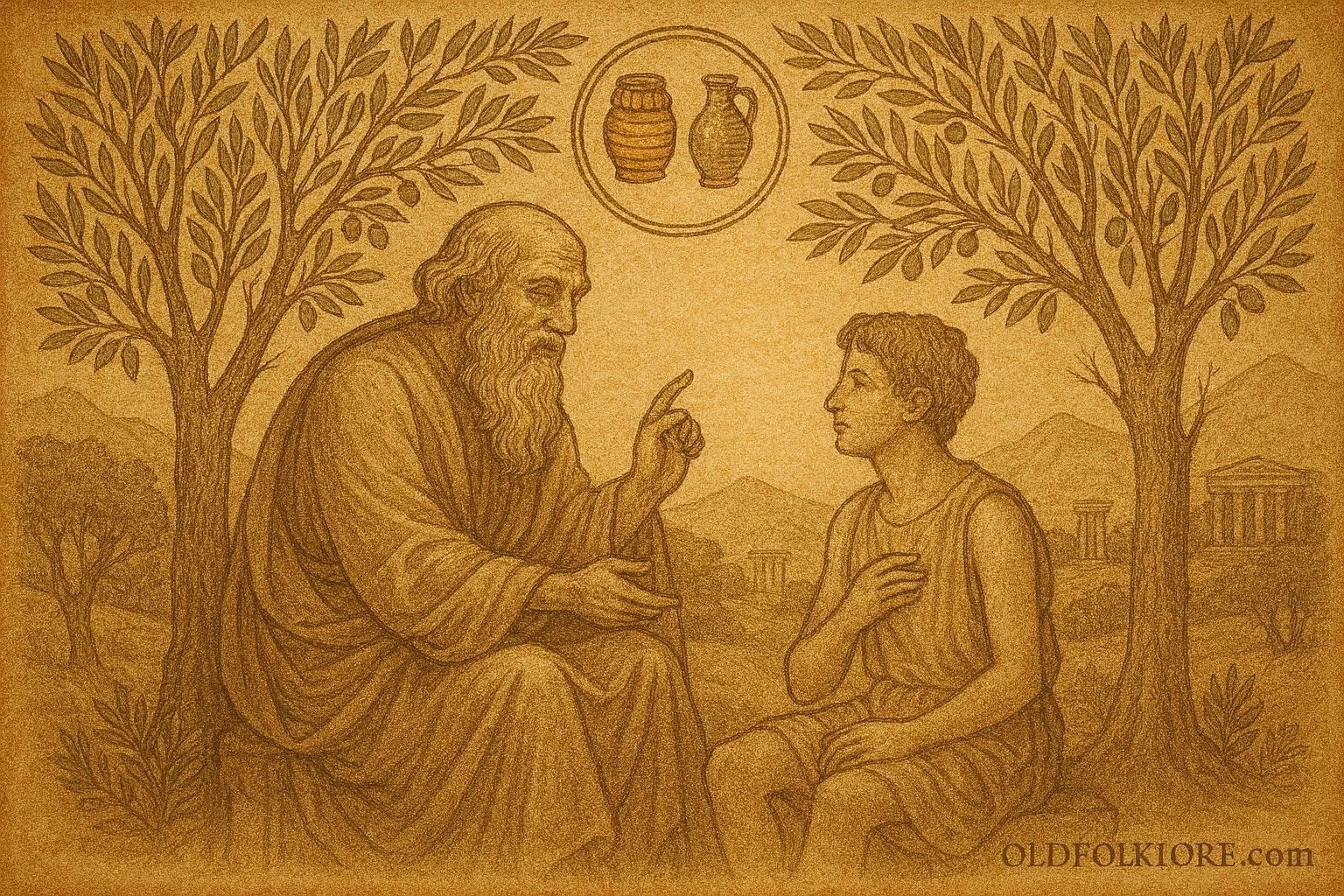
In Greek tradition, wisdom and virtue are not abstract ideals but lived qualities, deeply rooted in one’s character (ἠθός ethos). The ancient Greeks believed that the good life arises through balance, self-knowledge, and moral strength, not through extreme passion or reckless pride. Their proverbs reflect a culture that esteems honesty, self-restraint (σωφροσύνη sophrosyne), and honor, intertwining moral reflection with everyday life.
Proverbs and Their Meanings
Below is a list of 100 Greek proverbs (or proverb-like aphorisms), each with a short explanation of its moral or ethical insight. Some are ancient, some more modern, but many reflect long-standing Greek moral sensibilities.
-
Γνώθι σαυτόν (“Know thyself”)
Self-awareness is the root of wisdom, understanding your limits and character guides every moral choice. -
Μηδὲν ἄγαν (“Nothing in excess” / “Nothing too much”)
Moderation is a virtue; excess corrupts, whether in pride, appetite, or ambition. -
Προσεχέτω ἁμαρτία (“Let him guard against sin”)
One must be vigilant over one’s moral missteps; small faults may lead to greater ruin. -
Καλή τ’ ἀρετή, καλή κ’ ὑγεία (“Virtue is beautiful, health is beautiful”)
Moral excellence and physical well‑being are both noble goods worth cultivating. -
Ὑπὲρ τῆς τιμῆς καὶ τῆς ἀρετῆς οὐ μετριοπαθεῖν (“One should not be moderate in honor and virtue”)
While moderation in many things is good, one should zealously pursue honor and virtue. -
Ἐγκράτεια νικά πάσαν ἁρπαγήν (“Self‑control conquers every snatch / desire”)
*Self-mastery (ἐγκράτεια enkrateia) is powerful: it allows one to master one’s passions. -
Ἡ σιωπὴ οἵη σοφία (“Silence is a kind of wisdom”)
Sometimes, the wisest response is no response: restraint can speak louder than words. -
Τοῖς πολλοῖς ὁ ὄχλος λέγει, τῷ σοφῷ ἡ ψυχή (“The crowd speaks to the many, the soul to the wise”)
The masses follow noise, but a wise heart listens to deeper truths. -
Ὁ χαλαρὸς ἀνθρώποις, σκληρὸς ἑαυτῷ (“Easygoing with others, strict with oneself”)
True virtue demands personal rigor, even if one is kind and gentle to others. -
Ἀρετὴ τῆς ψυχῆς ἐστὶν ἀκούραστος (“Virtue of the soul is tireless”)
Goodness and moral excellence must be sustained by repeated effort; they are not one-off. -
Ἡ γῆ καὶ τὸ ἄστρον χρωματίζουσιν αὐτοῖς οἱ ἀπόστολοι (“The earth and the stars are colored by one’s actions”)
Our deeds shape not only our immediate life but also echo outward, coloring the world. -
Ὁ κόσμος τοῦ σώματος ἀνάκλασις τῆς ψυχῆς (“The world of the body is a reflection of the soul”)
How one conducts one’s life outwardly mirrors one’s inner moral condition. -
Ἐλπίς ὡς ἄνεμος· ἀρετὴ ὡς πέτρα (“Hope is like the wind; virtue like a rock”)
Hopes may shift, but a character grounded in virtue is steady and enduring. -
Μὴ τὰ κεχρημένα ἀμελεῖν (“Do not neglect what you have been entrusted with”)
Be faithful to your duties, whether to others, to your community, or to your own conscience. -
Ἡ ἀλήθεια ὡς φῶς (“Truth is like light”)
Truth brings clarity; lies only darken things and lead one astray. -
Ὅποιος ἐπιδιώκει τὸ καλὸν, δύναται σφαλεῖν· ὁ δ’ ἀδιάφορος οὐ ποτε (“He who pursues what is good may stumble; the indifferent never does”)
Moral striving carries risk, but a life without care or virtue is less daring. -
Ἀρετή χωρίς φόβον ὡς πλέων ἄνευ στερροῦ (“Virtue without humility is like a ship without an anchor”)
True virtue must be rooted in humility; pride can destabilize even good character. -
Ἡ δόξα οὐ ζῇ διὰ τὸν ἄνθρωπον, ἀλλὰ διὰ τὰ ἔργα (“Glory lives not on the person but through their deeds”)
It is one’s actions, not mere reputation, that leave an enduring legacy. -
Μηδὲν ἐπὶ τὰ μελλοντικά ὑπεροικείν (“Do not overreach for what is to come”)
One should not chase after future honor or wealth recklessly. Prudence matters. -
Ἡ καρδία τοῦ δικαίου γαλήνιον πέλαγος (“The heart of the just is a calm sea”)
A righteous soul enjoys inner peace even amid external storms. -
Ὅταν γῆρας ἔλθῃ, ἡ ἀρετὴ μακαρίζει σε (“When old age comes, virtue honors you”)
A life well-lived brings respect and self-respect in one’s later years. -
Μηνύματα δια λόγων ἀρετῆς (“Messages through words of virtue”)
Speak in ways that reflect your character; your speech carries moral weight. -
Ἀδικία ἐν τῷ οἴκῳ σου, αἰσχύνη ἐν τῇ πόλει σου (“Injustice in your home is shame in your city”)
How you treat your family echoes in the wider community. Private virtue matters publicly. -
Ἡ δίκαιος ὁδὸς στρωματὶς ἔστιν, ἡ δ’ ἄδικος μὴ (“The path of the just is a bed, the unjust’s is not”)
Righteousness brings comfort; wrongdoing leads to unrest. -
Ὁ φρόνιμος ἐν κινδύνῳ μαθαίνει (“The wise learns in danger”)
Trials and challenges are opportunities for character growth. -
Χαίρειν μηδὲ συναινεῖσθαι σεμνῶς (“Rejoice, but consent with dignity”)
Celebrate—but never at the cost of your integrity. -
Ὑψηλὸς λόγος, ταπεινὸς βίος (“Lofty words, humble life”)
Speak nobly, but live simply: virtue is more than rhetoric. -
Φιλοτιμία πηγαῖα καὶ δύναμις ψυχῆς (“Filotimo is the wellspring and power of the soul”)
*Φιλοτιμία (philotimo): a uniquely Greek virtue of honor, duty, and generosity, is central to character. -
Τίμιος ἀνθρώπος, θαρρεῖν ἀντὶ ὑβρίων (“An honorable man dares instead of boasting”)
True courage is grounded in virtue, not in empty pride. -
Ἡ ταπείνωσις οὐκ ἡττᾶται τὸν ὕψος (“Humility does not lessen greatness”)
Being humble does not diminish your value; it enriches it. -
ἀφθορία ἀρετῆς (“Unstinted virtue”)
Virtue is not stingy; a truly good person gives freely of their moral strength. -
Ὅπου φιλία, οὐχ ὑβρίς (“Where there is friendship, there is no pride”)
Humility fosters deep bonds; arrogance destroys them. -
Μηδεὶς ἀνηρ ὡς θαυμάζειν ἑαυτόν (“No man should marvel at himself”)
Don’t be overly impressed with yourself. Self-knowledge humbles. -
τὸ καλόν καὶ ἀγαθόν ἡμῖν καθάπερ ψυχή (“The beautiful and the good are to us like the soul”)
Beauty and goodness are inseparable, like soul and body; both ennoble us. -
Ὅσον ἂν τῷ κόσμῳ, τοσοῦτον τῇ ψυχῇ (“As much as in the world, so much in the soul”)
One’s outer life should reflect one’s inner moral life. -
Ἡ ἀρετὴ ἐστὶν ἔργον, οὐ λῆμα (“Virtue is a deed, not a whim”)
Goodness is built through action and habit, not fleeting desire. -
Μακροθυμία γλυκύτατον φάρμακον (“Patience is the sweetest medicine”)
Patience (μακροθυμία) heals and tempers; it is central to moral strength. -
Τὸ ψεῦδος βραχὺν ὄνειδος φέρει (“A lie brings but a moment’s shame”)
Falsehoods may win short-term gain but lead to lasting disgrace. -
Ἡ ἀλήθεια ἀνυπότακτος κριθίζει (“Truth judges without subjection”)
Truth stands independent and inevitably judges all. -
Μηδέποτε παραγενόμενος πλούτος σε κυριεύοι (“Never let sudden wealth master you”)
Riches must not rule you; self-mastery must rule them. -
Ὁ ταπεινὸς ἐν κινδύνῳ ἔχει τὸ σκέπασμα τῆς τιμῆς (“The humble has the mantle of honor even in danger”)
True dignity remains even when life is difficult. -
Ἀρετὴ καλλίστη ἐστὶν ἐν καιρῷ (“Virtue is most beautiful in its time”)
There is no beauty greater than virtue exercised when most needed. -
Τὸ πρᾶον καὶ τὸ καλόν συμφέρει (“Gentleness and goodness are profitable”)
Kindness and moral excellence are not weaknesses; they bring true benefit. -
Μηδὲν ὑπὲρ σωφροσύνην (“Nothing above self-restraint/soundness of mind”)
*Self-control and temperance (σωφροσύνη) are foundational virtues. -
Ὅπου οὐ σοφία, ἐκεῖ ὕβρις (“Where there is no wisdom, there is arrogance”)
Pride often fills the void left by a lack of self-knowledge. -
Ἀληθῶς ἀγαθὸς οὐ φιλοτιμεῖται φανερῶς (“Truly good does not openly boast”)
Real virtue doesn’t need loud proclamation. -
Ἡ ἀρετὴ ἁπλῶς μόνον οὐ λυπεῖ (“Simple virtue alone does not bring grief”)
Virtue lived modestly often brings peace, not suffering. -
τὸ ἔργον λέγει τὸν ἄνθρωπον (“The deed speaks the man”)
Our actions reveal our true character more than our words. -
Τὸν ἑαυτοῦ δαίμονα διώκειν (“Chase one’s own daimon / inner spirit”)
Follow what your higher self / calling demands, not fleeting desires. -
Ἡ σωφροσύνη τὰ πάθη τιθασύνεται (“Self-mastery tames the passions”)
Temperance keeps destructive impulses in check. -
Μηδὲν ἀτελεγές (“Leave nothing unfinished/imperfect”)
Strive to complete your moral development – half-measures weaken virtue. -
Ὅθεν ἂν ἀρχῇ, ἐκεῖ ἡθὸς (“From where the beginning, there is character”)
How one starts—one’s habits—is deeply formative for one’s character. -
Ἀνδρεία πρὸς τὸ καλόν, οὐ πρὸς τὸ ἄλλον (“Courage in pursuit of the good, not to harm others”)
True bravery supports virtue, not aggression. -
Ἄκρατος ἀλήθειας, σπόρος ἀρετῆς (“Unmixed truth is the seed of virtue”)
Pure truth, uncompromised, plants the foundation for moral excellence. -
Ὄνομα καλὸν ἄνεργον πλούτον (“A good name is unemployed wealth”)
A reputation built on virtue is a treasure that costs nothing to maintain. -
Ταπεινὸς ἔχων μεγάλη ψυχήν (“Humble, yet possessing a great soul”)
True greatness lies in quiet humility paired with inner strength. -
Χρέος τοῦ ἀνθρώπου: τιμῶν ἀρετήν καὶ φίλους (“Man’s duty: to honor virtue and friends”)
A moral life respects virtue and cherishes friendship. -
Μηδὲν ἐπὶ τῇ ἀτυχίᾳ ἐξαγοράζεσθαι (“Do not redeem anything on misfortune”)
One should not compromise moral integrity even in hard times. -
Ἡ ψῆφος τῆς δίκης ἀθάνατος (“The vote/voice of justice is immortal”)
Justice, once spoken or done, leaves an enduring legacy. -
Ἀληθῶς σοφὸς ὁ χαλεπὸν ἀνέχεται (“Truly wise is he who endures hardship”)
Wisdom is proven through patience in the face of difficulty. -
Ἡ ἐλπίς πρὸς τὸ μέλλον, ἡ ἀρετὴ πρὸς τὸν ἑαυτόν (“Hope is for the future, virtue is for the self”)
Virtue is an inward quality, not just a hope for what may come. -
Μὴ πάσχειν ἀλλὰ διδάσκειν (“Not to suffer but to teach”)
Use your trials not only for personal growth but to guide others. -
Ἡ ψυχή καθαρά, ὁ λόγος καθαρός (“Soul pure, word pure”)
When one’s heart is clean, one’s speech will be honest. -
Πρός τὸ ἀγαθὸν ὁρᾶν, πρὶν λαβεῖν (“See the good before you grasp it”)
Discernment is needed before pursuing what seems good. -
ἀρετὴ ἔργῳ ποιεῖται (“Virtue is made by deed”)
One becomes virtuous through actions, not mere desire. -
Μάρτυς ἑαυτὸς ἀληθέστατος (“One’s own witness is most true”)
Your inner conscience or character is the truest judge of your morality. -
Ἡ ἐλεύθερα ψυχή ἀγαθοῦ φορέας (“A free soul is bearer of the good”)
Freedom of spirit enables one to practice goodness fearlessly. -
Μηδὲν δῶρον πέραν τῆς τιμῆς (“No gift beyond honor”)
Respect and honor are more valuable than material gifts. -
ἐκ λόγου ἀρετῆς, οὐκ ἐκ πλήθους (“By words of virtue, not by numbers”)
Quality of character matters more than popular acclaim. -
Ὁ πραῠς γῆρας δόξη ἐστί (“Gentleness is the glory of old age”)
In older years, kindness and humility shine as marks of a life well-lived. -
Μὴ φείδεσθαι σεαυτοῦ εἰς τὰ μικρὰ (“Do not spare yourself in small matters”)
Even in small acts, integrity is important: character is built in minutiae. -
Ὁ δίκαιος ὁδὸν ὀρθὴν βαδίζει (“The just walks a straight path”)
Someone who seeks justice lives with clear moral direction. -
ἀρετὴ πολυτελέστατον ἄδηλον θησαυρός (“Virtue is the most precious hidden treasure”)
Virtue is a treasure not seen by all but held by the wise. -
Μηδὲν οἰκτίρειν τὸν ἑαυτόν (“Do not pity yourself”)
Self-pity weakens character; resilience builds it. -
τὸ σῶμα καιρῷ, ἡ ψυχή παντὶ χρόνῳ (“The body for a time, the soul for all time”)
Physical existence is temporary; character endures. -
Ἀρετὴ ἄνευ σκηνῆς οὐκ ἀληθής (“Virtue without trial is not true”)
Genuine virtue is tested through challenges. -
θεν δύναμιν ἐκ ταπεινώσεως (“You gain strength from humility”)
Humility is not weakness—it builds resilience. -
Ὅταν ἐλπίς χαθή, ἀρετὴ μένει (“When hope is lost, virtue remains”)
Even if dreams fade, moral character endures. -
Μηδέποτε ἐν φρονήσει πλεονεξίας (“Never be greedy in prudence / prudential wisdom”)
Wisdom does not thirst for excess; it seeks balance. -
τὸ εὐθύ καὶ τὸ καλὸν ὁδὸς μία (“The straight path and the good path are one”)
Moral integrity aligns with righteous living. -
Ὁ καλὸς λόγος σύντομος (“A good word is brief”)
The most powerful speech is often short and to the point. -
Μήτε ἐπὶ δόξαν ζῆν, μήτε ἐπὶ φόβῳ (“Neither live for glory, nor for fear”)
Live for virtue itself, not for praise or avoidance of shame. -
τὸ μέτρον ἀνθρώπῳ φίλον (“Measure is dear to man”)
Humans naturally gravitate toward moderation. -
ἀρετὴ καὶ φρόνησις δίδυμα δώρα (“Virtue and prudence are twin gifts”)
Ethical excellence without wisdom is incomplete; both are needed. -
Ἡ τιμὴ μὴ λησμονεῖ τὰ ἔργα (“Honor does not forget deeds”)
Good actions secure a lasting reputation. -
Μὴ τῷ πλούτῳ ἐπιποθῶν ἄδειν (“Don’t sing praises longing for wealth”)
Do not flatter or compromise for material gain. -
Ἡ ψυχή τῆς γυναικὸς, τὸν ἄνδρα δοκεῖ κρίνειν (“A woman’s soul seems to judge the man”)
True virtue is visible even in subtle, spiritual judgments. -
φιλαλήθεια ἄριστον καὶ ἀνδρεῖον ἐστίν (“Loving truth is best and courageous”)
Valuing truth shows both moral courage and integrity. -
ἀρετὴν ἐργάσασθαι, οὐ τῇ τύχῃ περιμένειν (“Earn virtue, do not wait for fortune”)
One must build character actively; it does not come by chance. -
τοῦ σώματος ἀρετὴ διὰ τῆς γυμνασίας, τῆς ψυχῆς διὰ τοῦ βίου (“The body’s virtue through exercise, the soul’s through life”)
Just as the body is trained, the soul is shaped by how one lives. -
Ἐὰν βουλεύῃς ἐν ἡσυχίᾳ, ἡ εἰρήνη σε ἐπισκέπτεται (“If you deliberate in peace, peace visits you”)
Quiet reflection leads to inner tranquility and wise decisions. -
Ὁ ἐλεὴμων μὴ ζητήσῃ ανταπόδοσιν (“The compassionate person should not seek repayment”)
True kindness is given without expectation of reward. -
Μηδὲν ἐπικρίνεσθαι βραχύφρονιζόντως (“Judge nothing in a short‑sighted way”)
Avoid hasty judgments—true character requires long view. -
Ἀλήθεια οὐδέποτε σιωπᾷ (“Truth never remains silent”)
Eventually, truth will be spoken or revealed. -
Ὅποιος ἀδικεῖ ἑαυτόν, καλεῖ ἄλλον ἁμαρτάνειν (“Whoever wrongs himself, invites another to sin”)
Self-betrayal invites corruption and external harm. -
Ἀρετὴν μὴ καυχᾶ· καρδίαν σεβάσου (“Do not boast of virtue; honor the heart”)
Humility respects virtue by not flaunting it. -
Μὴ ζητᾷς τὸ μέγα ἐν ἀναγκῇ (“Do not seek greatness in necessity”)
One should not seek honors simply because one is in a hard place. -
Ἡ ἀλήθεια γᾶς ῥίζα στέργει (“Truth loves the roots of the earth”)
True wisdom is grounded and humble, like roots in rich soil. -
Ἡ μάθησις ἀρετῆς σκάφη (“Learning is the vessel of virtue”)
Education carries and shapes virtue. -
Ὁ χαρακτὴρ ἡ μοῖρα (“Character is destiny”)
Your character shapes your path in life. A proverb reflecting the belief that moral identity strongly determines the course of one’s life.
Author’s Note
In “Honey and Vinegar,” I have woven together proverbs that capture the richness of Greek moral thought through the ages—from the philosophical ideals of sophrosyne (self-moderation) and arete (virtue) to the emotionally resonant concept of philotimo. Some sayings are drawn from philosophical maxims, others from folk wisdom. The aim is not to present a scholarly anthology so much as a moral mosaic: a sense of how virtue, integrity, and character are deeply valued in Greek culture.
Knowledge Check: Questions & Answers
-
Q: What does the proverb “Γνώθι σαυτόν” (“Know thyself”) teach?
A: It emphasizes self-awareness, urging one to understand one’s own character, limitations, and motivations as a foundation for moral living. -
Q: Why is moderation (as in “Μηδὲν ἄγαν”) considered a virtue in Greek thought?
A: Because excess in any area of pride, appetite, or ambition can corrupt, and living with balance leads to harmony and self-control. -
Q: What is philotimo, and why is it important in Greek moral culture?
A: Philotimo is a complex Greek virtue involving honor, duty, dignity, generosity, and respect; it’s deeply tied to one’s sense of self-worth and moral responsibility. -
Q: How does the proverb “Ἐγκράτεια νικά πάσαν ἁρπαγήν” (“Self‑control conquers every desire”) relate to the concept of enkrateia?
A: It reflects the philosophical idea that holding power over one’s passions (enkrateia) is a foundational moral strength. -
Q: What is the meaning of “Ὁ χαρακτὴρ ἡ μοῖρα” (“Character is destiny”)?
A: It suggests that one’s character determines one’s life path and fate; moral identity shapes future outcomes. -
Q: According to these proverbs, how should one respond to sudden wealth?
A: With moderation and self-control, not letting wealth master you, as in “Μηδέποτε παραγενόμενος πλούτος σε κυριεύοι.”
Origin: Greek (Ancient & Modern)