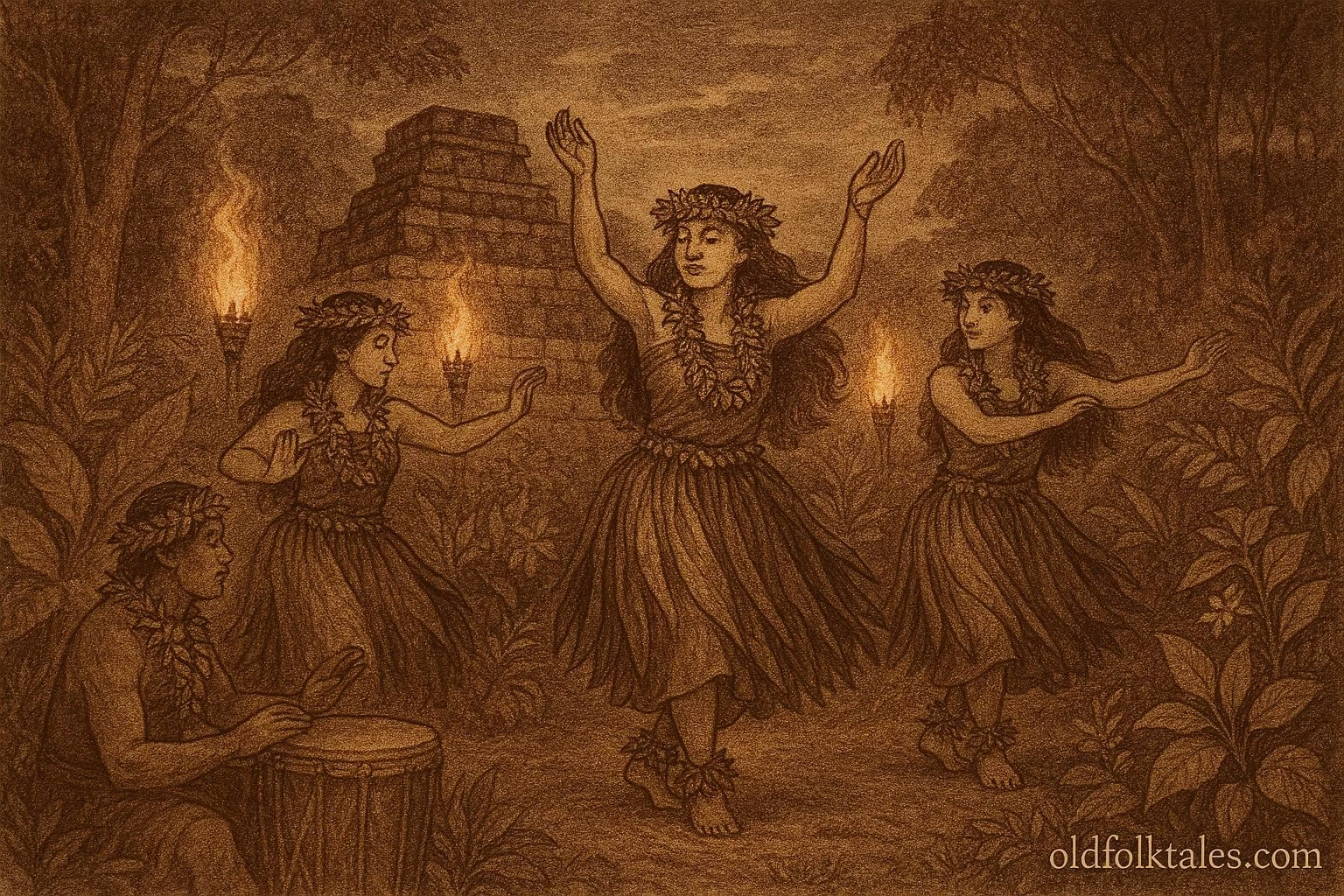
Hula is one of the most iconic and spiritually rich traditions of the Native Hawaiian people. Far more than entertainment or performance, hula began as a sacred ritual tied to chants, deities, creation stories, and the deep relationship Hawaiians maintained with the land and sea. Its earliest forms were nurtured in heiau (temples), chiefly courts, and forest schools where dancers learned not only movement, but also the spiritual discipline required to serve the gods through dance. Early historical accounts and oral traditions place hula within the broader systems of Hawaiian spirituality, often practiced during festivals such as Makahiki, the season dedicated to Lono, god of fertility, rain, peace, and agricultural abundance.
Description
Hula weaves together chant (oli), song (mele), rhythm, gesture, and storytelling. Each movement is deliberate, embodying a meaning: hands become waves or wind; hips echo the rise and fall of the earth; feet connect dancers physically and symbolically to the ʻāina (land). In its original ritual context, hula served as a form of prayer, praise, genealogy telling, myth recitation, and cultural preservation.
There are two primary forms of hula practiced today, both deeply rooted in Hawaiian identity:
Hula Kahiko: The Ancient Style
Hula Kahiko is performed to traditional oli or mele, accompanied by percussion implements such as pahu (drum), ipu heke (double gourd drum), ʻiliʻili (water-worn stones), and kālaʻau (rhythm sticks). Dancers wear traditional kapa cloth, lei, or adornments made from plants associated with specific gods. This style reflects the ritual heart of hula: formal, powerful, and spiritually resonant.
In Hula Kahiko, the halau (dance school) becomes a sacred space. Dancers follow strict protocol, including offerings, prayers, and periods of ritual silence. Movements tend to be strong, grounded, and rhythmic, reflecting the ancient tempo of the land and the cadence of chant.
Hula ʻAuana: The Modern Style
Hula ʻAuana emerged as Western influences entered Hawaiʻi during the 19th century. This style is more fluid, melodic, and typically accompanied by guitar, ʻukulele, or other instruments. Although more contemporary, it still carries cultural meaning and often retells stories of Hawaiian landscapes, love, and memory.
While Hula ʻAuana is less bound to sacred protocol, its foundation remains deeply respectful of tradition. Every halau trains dancers to understand the history behind each choreographed piece, ensuring the spiritual heart of hula is not lost.
Mythic Connection: Gods, Creation, and Sacred Lineage
Hula is inseparable from Hawaiian mythology. Different traditions attribute its origin to different gods and mythic beings, reflecting the richness of Hawaiian spirituality.
Laka: The Patron Goddess of Hula
Many traditions name Laka as the deity who gave hula to humanity. She embodies growth, inspiration, and the fertile energy that animates the forest. Offerings to Laka often include plants such as maile, ʻieʻie, and lama,species beloved by the goddess and considered her kin. When dancers perform, they invoke her presence, seeking her blessing so the dance becomes spiritually alive rather than merely physical movement.
Hiʻiaka: Sister of Pele
Another tradition links hula to Hiʻiaka, the younger sister of the volcano goddess Pele. Hiʻiaka is said to have danced across the islands during her journeys, creating some of the earliest forms of hula. Her dances were expressions of strength, devotion, and harmony with the natural world.
Lono and the Makahiki Season
Hula was also performed during the Makahiki festival in honor of Lono. Chant and dance were central offerings, expressing gratitude for rain, fertility, and agricultural renewal. Through hula, Hawaiians reenacted stories of the gods, maintained cosmic balance, and affirmed their connection to the cycles of nature.
How the Ritual Reflects Hawaiian Spirituality
To Hawaiians, the world is alive, filled with gods, ancestral spirits, and the mana (spiritual power) of the land. Hula reflects this worldview in several ways:
-
Gesture as prayer: Movements function as direct offerings to deities.
-
Chant as memory: Oli preserve genealogies and mythic origins, ensuring stories endure.
-
Connection to nature: Costumes, implements, and dances are often tied to specific plants or landscapes associated with particular gods.
-
Communal practice: Hula strengthens social unity, passing knowledge across generations.
Even today, hula is not merely performed but practiced, a lifelong discipline blending body, spirit, and cultural identity.
Author’s Note
This article highlights hula as a sacred Hawaiian tradition rooted in spirituality, mythology, and cultural continuity. It underscores how movement, chant, and the natural world intertwine to form a ritual that remains central to Hawaiian identity. Hula’s enduring presence reflects the resilience of Indigenous knowledge and the reverence Hawaiians hold for their land, deities, and ancestors.
Knowledge Check
1. What is Hula Kahiko?
The ancient, ritual form of hula performed with chants and traditional percussion instruments.
2. Who is Laka in Hawaiian mythology?
The goddess of hula and forest growth, honored as the source of inspiration for dancers.
3. What role does chant (oli) play in hula?
It preserves history, recounts genealogy, and invokes divine presence.
4. How does hula reflect Hawaiian views of nature?
Movements, costumes, and rituals draw directly from plants, landscapes, and natural elements tied to the gods.
5. What is the significance of a hālau?
A hula school where ritual discipline, cultural knowledge, and dance technique are taught.
6. Why is hula more than entertainment?
Because it serves as prayer, storytelling, myth preservation, and a link to ancestors and gods.