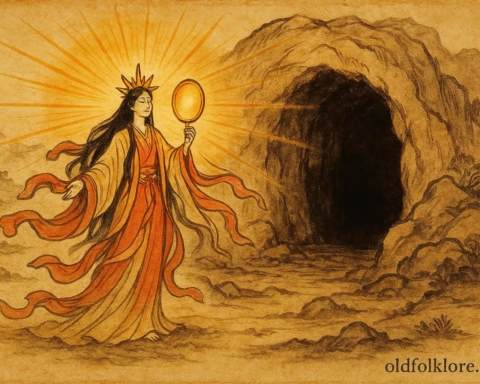
Inari Ōkami is one of Japan’s most revered and widely worshiped deities, embodying prosperity, fertility, agriculture, and commerce. Often associated with rice cultivation, Inari’s blessings extend to farmers, merchants, and those seeking abundance in life. Shinto tradition frequently portrays Inari alongside foxes (kitsune), which act as divine messengers, symbols of cunning, protection, and spiritual power.
Inari is highly adaptable in form and gender: depicted as male, female, or androgynous depending on region, story, and shrine custom. Temples dedicated to Inari are identifiable by vermilion torii gates and stone fox statues guarding the entrances, creating sacred spaces where humans and spirits meet. Rituals involve offerings of rice, sake, or symbolic tokens of commerce and sustenance, honoring Inari’s central role in both spiritual and material life.
The deity’s position in the Shinto pantheon reflects a dual focus: sustaining communities through agricultural abundance while safeguarding the cleverness and ingenuity necessary for human enterprise. Inari’s worshipers invoke divine guidance in planting seasons, trade, and life’s uncertainties, trusting the fox messengers to carry prayers and blessings to the spiritual realm.
Mythic Story: Inari Ōkami and the Foxes
Long ago, when the valleys of Japan were green and fertile yet untamed, farmers struggled with unpredictable harvests, thieves, and wild beasts. Inari Ōkami, observing the plight of humans, chose to manifest divine aid. From the mists of the sacred mountains, Inari appeared, neither wholly male nor wholly female, but radiant with a presence that demanded reverence and inspired hope. With Inari came the fox spirits, agile and clever, tasked with guiding humans toward prosperity and spiritual harmony.
In a village hemmed by rice paddies and mountains, a poor farmer named Haruto prayed daily for a bountiful harvest. Each morning he offered simple rice and water at a humble shrine, hoping for the favor of Inari. One night, under the silver glow of the moon, Haruto awoke to the soft rustle of leaves. Before him appeared a white fox with eyes gleaming like molten amber. It bowed, then vanished, leaving a small sack of glistening rice. Haruto, though astonished, planted the rice as instructed, and the paddies flourished beyond imagination. Word spread, and villagers began to honor Inari, building shrines and painting torii gates in vibrant vermilion to mark sacred ground.
Yet Inari’s lessons were not limited to abundance. The foxes, cunning and playful, often tested humans, teaching vigilance, cleverness, and moral discernment. A tale recounts a band of merchants whose greed overshadowed piety. They ignored offerings to Inari, hoarding rice and coin. One night, foxes appeared, transforming into shadows that whispered warnings, tripped carts, and subtly redistributed wealth among the needy. The merchants awoke to find their stores diminished but spirits enlightened, they had learned that prosperity demanded responsibility and humility, virtues Inari held dear.
Inari also guided warriors and leaders, influencing strategy and foresight. During times of conflict, a fox might appear with a message hidden in leaves or an omen in its gaze. Leaders who heeded Inari’s counsel avoided disaster, discovering that wisdom often arrived in unexpected forms. Over time, the foxes’ role expanded: protectors of households, guides of merchants, and spiritual companions to all who respected the balance of nature and society.
Seasonal festivals, especially those marking the planting of rice, were moments of vibrant devotion. Villagers adorned shrines with offerings, paraded sacred banners, and recited prayers to honor Inari’s guardianship. Through these rituals, the deity’s presence became tangible: wind through the rice stalks seemed to whisper blessings, and the mountains glimmered with spiritual resonance. Each fox statue or carved talisman served as a reminder that prosperity was a partnership between the divine, the natural world, and human effort.
The tales of Inari Ōkami endure through centuries, reflecting the adaptability and universality of the deity. From the smallest village to grand shrines like Fushimi Inari Taisha in Kyoto, Inari’s influence flows, ever-present, guiding the faithful through fields, markets, and life’s uncertainties. By blending the sacred and practical, Inari teaches that abundance is not merely material but entwined with intelligence, foresight, and respect for the natural order.
Author’s Note
Inari Ōkami embodies the interconnection between divine providence, human diligence, and the wisdom required for harmonious living. Through tales of fox messengers and miraculous harvests, the myths convey that prosperity is not an entitlement but a sacred collaboration with nature and spirit. Inari teaches that abundance thrives alongside moral responsibility, cleverness, and devotion, offering a model for both spiritual and earthly success.
Knowledge Check
Q1: What domains is Inari Ōkami associated with?
A: Rice, agriculture, prosperity, and commerce.
Q2: Which animals are closely linked to Inari as divine messengers?
A: Foxes (kitsune).
Q3: How does Inari appear in myths regarding gender?
A: Male, female, or androgynous, depending on region and story.
Q4: What are common symbols at Inari shrines?
A: Vermilion torii gates and stone fox statues.
Q5: What lessons do the foxes teach humans in Inari myths?
A: Cleverness, vigilance, humility, and moral responsibility.
Q6: Where does Inari’s influence extend beyond agriculture?
A: Trade, business, household protection, and guidance for leaders or warriors.
Source: Shinto texts and oral traditions, Japan.
Source Origin: Japan