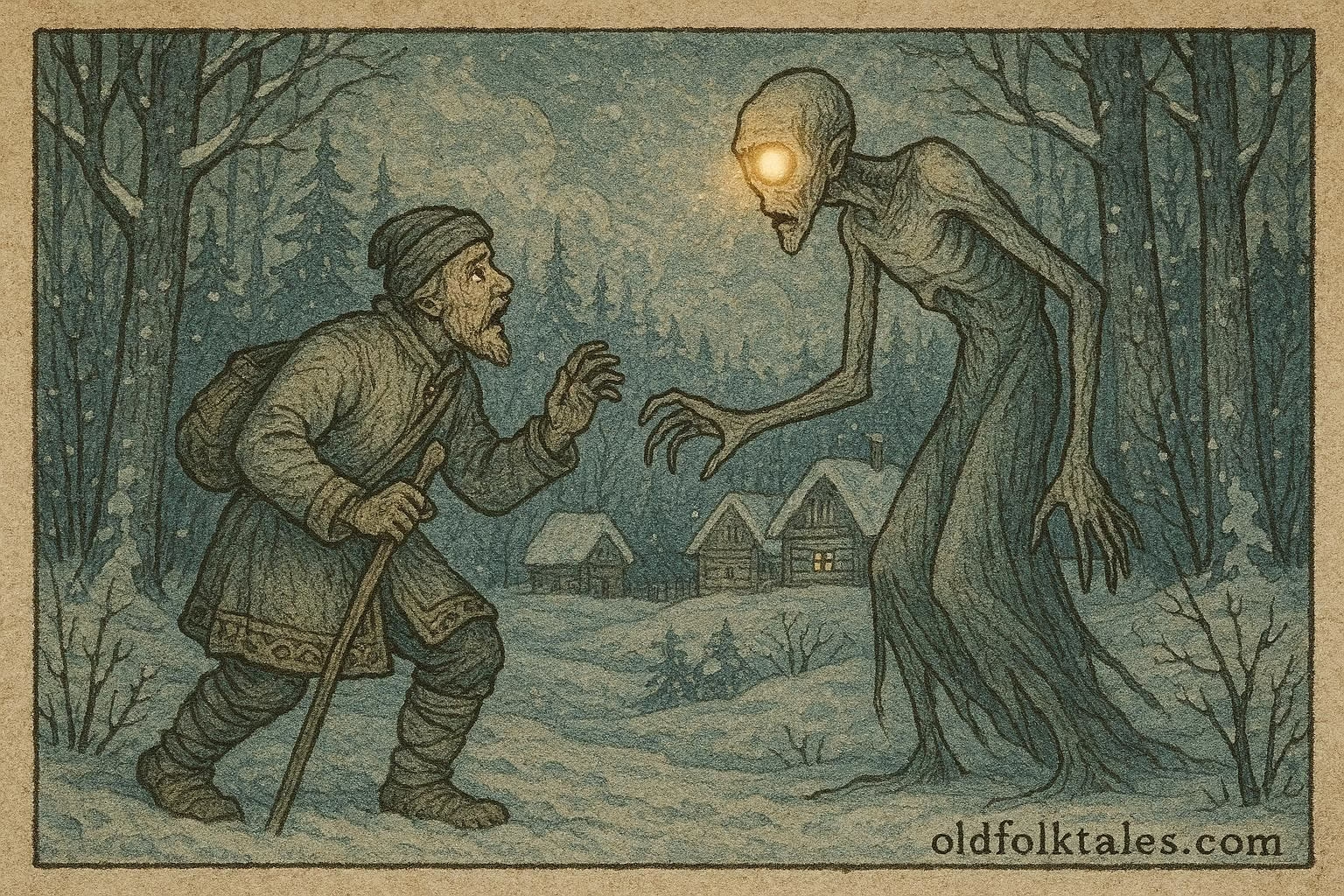
In the dense forests and rolling hills of Eastern Europe, the people spoke in hushed tones of a spirit named Likho. It was said that he was thin to the point of shadow, with a single eye that burned with judgment. Likho did not hunt for pleasure or whim. His purpose was singular: to confront those who tried to cheat life, who boasted of cleverness over integrity, or who believed themselves above the natural order of things.
Legends tell of a young merchant named Ivan who traveled through the village of his ancestors. He was ambitious, greedy, and always seeking shortcuts to wealth. One winter, he boasted to the villagers that he would amass riches faster than anyone before him, without labor or sacrifice. His words traveled quickly, and the elders shook their heads. “Beware,” they whispered, “for Likho watches those who scorn the proper path.”
That evening, as the wind howled through the snow laden pines, Ivan felt a strange chill at his back. When he turned, a thin figure loomed over the path. One eye glowed in the darkness. “Who are you?” Ivan demanded, though fear gripped his heart. “I am Likho,” said the spirit, its voice a low whisper that seemed to echo in the trees. “I come for those who flee their fate or scorn the honest way.”
Encounter dragons, spirits, and beasts that roamed the myths of every civilization
Ivan tried to run, but wherever he turned, Likho appeared before him. His single eye pierced Ivan’s thoughts, revealing every act of deceit, every shortcut he had taken in pursuit of wealth. The spirit did not strike, nor did it speak more. Its presence alone suffocated the merchant with the weight of his own arrogance.
Days passed, and Ivan’s misfortune grew. He lost his money to careless mistakes, his animals fell ill, and friends turned away. Only when he humbled himself and acknowledged the value of labor, honesty, and moderation did he feel the spirit’s presence lift. The villagers said that Likho does not punish out of cruelty but to teach that arrogance and greed leave a mark no one can escape.
The story spread across the Slavic lands. Children were warned not to boast, and merchants were reminded that shortcuts would never yield lasting reward. Likho became a symbol of the unseen consequences that follow those who scorn the wisdom of patience and the laws of human and natural order.
Even today, some say that travelers through forests or quiet villages can glimpse the thin form of Likho and feel the weight of their own pride. Those who remember humility are untouched, but those who forget it may carry the shadow of misfortune wherever they go.
Author’s Note
The story of Likho emphasizes that wisdom and security are earned through patience, honesty, and humility. Misfortune is not merely punishment but a teacher, guiding humans to reflect on their choices and respect natural and social laws.
Knowledge Check
-
Who is Likho in Slavic folklore?
Answer: A thin, one eyed spirit that brings misfortune to those who boast or seek shortcuts. -
Why does Likho appear to humans?
Answer: To teach lessons about arrogance, greed, and the importance of honest effort. -
What happened to Ivan when he tried to escape Likho?
Answer: He faced continuous misfortune, losing wealth, animals, and friends. -
How did Ivan finally find relief from Likho?
Answer: By humbling himself and embracing patience, honesty, and moderation. -
What moral or lesson does Likho represent?
Answer: That arrogance and greed bring consequences, and wisdom comes through humility. -
Where are the stories of Likho traditionally told?
Answer: Across Slavic lands in Eastern Europe.