The Mamuthones and Issohadores are central figures in the traditional carnival of Mamoiada, a town in the heart of Sardinia, Italy. This ritual dates back centuries and is believed to be one of the oldest European ritual processions still practiced today. While documentation is sparse, ethnographers and local historians suggest its roots lie in pre-Christian pastoral and agricultural traditions, serving both as a community purification rite and a symbolic appeal for fertility and abundance in the fields and livestock.
The ritual is closely tied to the seasonal agricultural cycle. Sardinia’s agrarian society depended heavily on the health of herds and crops, and the timing of the carnival, usually in February, coincides with the period preceding spring planting. In this liminal time, the Mamuthones and Issohadores enact symbolic gestures meant to cleanse the land of evil and ensure prosperity for the coming year.
Description of the Ritual
The ritual involves a parade of men in elaborate costumes, each role laden with symbolic meaning:
-
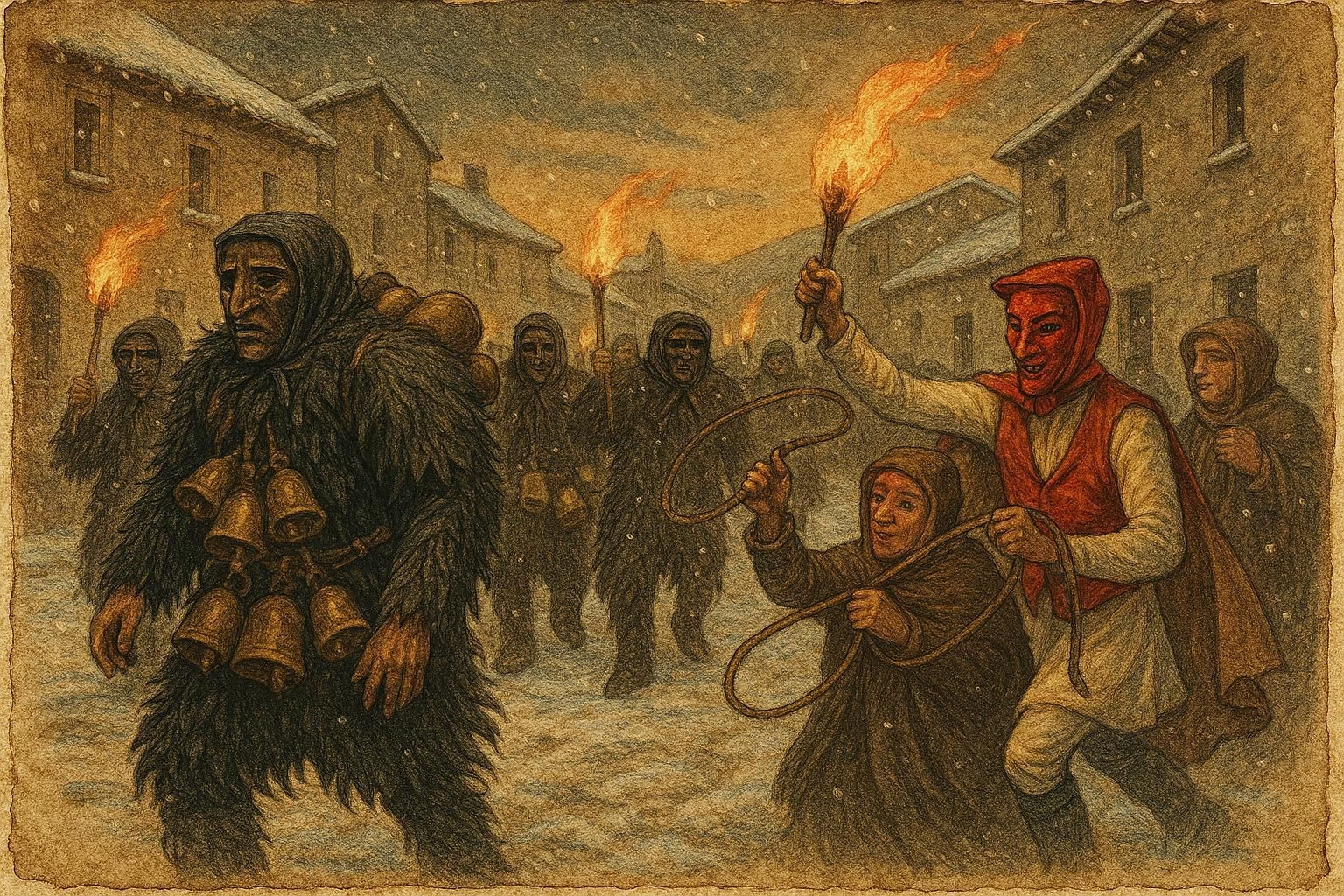
Mamuthones: These figures wear black wooden masks with somber expressions and heavy sheepskins that create a distinctive, imposing silhouette. They walk in synchronized, rhythmic steps, often dragging chains or heavy bells tied around their waists. This movement produces a resonant, hypnotic soundscape, believed to ward off evil spirits and energize the community through shared rhythm and discipline.
-
Issohadores: Dressed in red masks and lighter costumes, these figures accompany the Mamuthones. Their role is more interactive; they “capture” spectators with ropes, a symbolic gesture of control over chaos and an enactment of social order. Their presence balances the darkness of the Mamuthones with color and vitality, representing life, fertility, and protection.
The parade winds through the streets of Mamoiada, combining movement, sound, and visual spectacle. The procession is both a performance and a sacred act. The Mamuthones’ heavy, deliberate steps echo the weight of winter and the burdens of past seasons, while the Issohadores’ energetic actions signal the arrival of new life and fertility.
In addition to the masks and choreography, music plays a central role. Traditional instruments, particularly the launeddas (a Sardinian triple-pipe instrument), provide a melodic underpinning that merges with the rhythmic clanging of bells and chains, creating an auditory ritual landscape that heightens the spiritual atmosphere.
Mythic Connection
Anthropologists and folklorists interpret the Mamuthones and Issohadores as embodiments of dual forces, death and renewal, darkness and vitality. The black Mamuthones symbolize winter, mortality, and obstacles, while the red Issohadores embody life, fertility, and protective energy. Together, they enact a cosmic cycle of destruction and regeneration, mirroring the natural rhythms of Sardinian life, where survival depended on harmony with the land and seasons.
Some sources link the procession to ancient Mediterranean agrarian cults, where masked figures served as intermediaries between humans and the unseen forces of nature. By walking through the town, dragging chains, and capturing spectators, the participants perform a ritual purification, chasing away misfortune, ensuring fertile crops, and safeguarding livestock. Local folklore also associates the ritual with ancestral spirits, suggesting that the Mamuthones’ masks may represent the visage of forebears, connecting the living community with the sacred memory of past generations.
Social and Spiritual Significance
The Mamuthones and Issohadores festival is more than an ethnographic curiosity; it embodies a collective spiritual and social consciousness. By performing the ritual, the community actively renews its relationship with nature, the ancestors, and cosmic cycles. The careful choreography and communal participation reinforce social cohesion, while the symbolic actions of purification, capture, and protection affirm a shared moral and spiritual framework.
The ritual also preserves cultural identity. Even as Sardinia modernizes, the Mamuthones and Issohadores serve as a living link to a pre-Christian worldview, a tangible reminder of the island’s unique heritage. Tourists and locals alike witness the continuity of this ancient practice, reinforcing communal pride and awareness of ancestral wisdom.
Modern Continuity
Today, the Mamuthones and Issohadores are celebrated during Sardinia’s carnival season, with parades, workshops, and cultural events showcasing the ritual. While contemporary audiences may experience the procession as entertainment, locals continue to imbue the festival with its traditional spiritual and agricultural significance. Costume-making, music, and choreography remain apprenticed skills, passed through generations, preserving the authenticity of this living heritage.
Author’s Note
The Mamuthones and Issohadores of Mamoiada exemplify the enduring power of ritual to shape human understanding of nature, community, and the divine. Through masks, rhythm, and symbolic action, the Sardinians enacted the dual forces of death and life, winter and fertility, and purification and renewal. This ritual continues to connect the modern community to its pre-Christian roots, illustrating the resilience of cultural memory.
Knowledge Check
1. What is the origin of the Mamuthones and Issohadores ritual?
It originates from traditional Sardinian carnival practices in Mamoiada, Italy, with pre-Christian and pastoral roots.
2. What do the Mamuthones represent?
They symbolize winter, mortality, and obstacles, dressed in black masks and sheepskin costumes.
3. What is the role of the Issohadores?
They are red-masked figures who capture spectators symbolically, representing life, fertility, and protection.
4. Why are chains and bells used in the procession?
The chains and bells create rhythmic sound to ward off evil spirits and mark the ritual’s sacred cadence.
5. How does the ritual relate to agricultural cycles?
It functions as a purification and fertility rite, ensuring healthy crops and livestock for the coming year.
6. How is the festival preserved today?
Through carnival parades, apprenticeships in music and costume, and cultural events, keeping the ritual’s spiritual and social meaning alive.