The Mask Festivals of Vanuatu are ceremonial expressions rooted in the ancestral and spiritual cosmology of the islands of Espiritu Santo, Pentecost, and other northern and central Vanuatu islands. These seasonal rituals blend artistry, dance, and sacred communication, forming a bridge between the living community and the spirit world.
Anthropologists trace these festivals to pre-European times, when local clans relied on ancestral guidance for survival, agricultural fertility, and social cohesion. Masks themselves are considered embodiments of spiritual power, often representing local deities, mythic heroes, or revered ancestors. Each mask type carries specific symbolic authority, and the act of wearing it transforms the performer into a living conduit for the supernatural.
Description of the Ritual
Mask festivals are highly structured yet deeply performative, with specific steps observed in every stage:
-
Mask Creation: Villagers carve masks from wood, cane, and natural fibers, embellishing them with paint, feathers, shells, or cloth. The style, color, and form of each mask signify the clan, deity, or ancestral spirit being invoked. Some masks are deliberately ephemeral, designed to be buried or destroyed after the festival to release spiritual energy.
-
Preparation of Participants: Performers are often initiates or designated clan members trained to channel the spirit’s essence through movement and song. Ritual preparatory steps include fasting, purification, or brief periods of isolation to enhance spiritual receptivity.
-
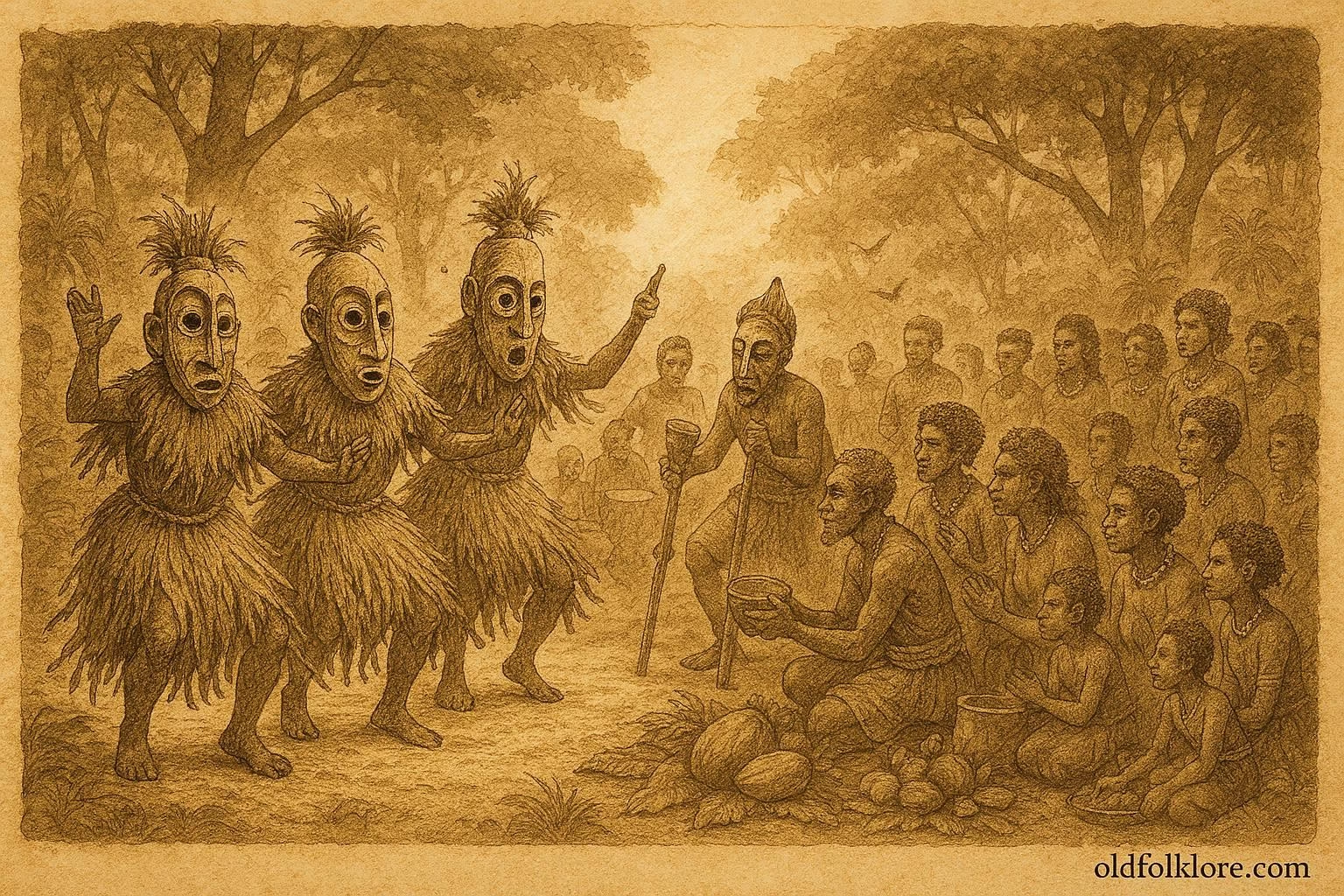
Ceremonial Performance: Participants don the masks and enact mythic narratives or ancestral deeds through dance. Movements are precise, often mimicking the gestures or behaviors of spirits or animals, while drums, rattles, and chants accompany the display. The rhythm and song sequences are integral, creating synchrony between human action and spiritual energy.
-
Offerings and Communal Observance: Offerings of food, kava, or symbolic objects are made to appease or honor the spirits. The entire community gathers to witness the performance, participate in chants, or share in ritual feasting, reinforcing social and spiritual cohesion.
-
Conclusion: Depending on the island and clan, masks may be ritually buried, burned, or dismantled, symbolizing the return of spiritual energy to the ancestral realm and ensuring continued protection and fertility for the community.
Mythic Connection and Symbolism
Mask festivals of Vanuatu are not mere performances; they are living embodiments of cosmology:
-
Ancestral Veneration: Masks personify deceased ancestors whose wisdom and power guide the living community. The festival strengthens intergenerational bonds and validates social hierarchies.
-
Spiritual Mediation: By wearing the mask, the performer becomes an intermediary between the mortal and spiritual planes, channeling blessings or protection directly to the village.
-
Fertility and Environmental Balance: Many performances align with agricultural or seasonal cycles. Dance, music, and offerings are designed to ensure fertile crops, healthy livestock, and favorable weather, reflecting the Highlands’ integrated worldview.
-
Social Order: Mask festivals enforce clan identity and social cohesion. Specific dances, chants, and ritual roles reinforce alliances, resolve conflicts, or mark rites of passage.
-
Symbolic Transformation: Mask-wearing transforms the participant into the deity or spirit, momentarily dissolving human limitations and manifesting divine qualities for the community to witness.
These layered meanings make each festival a cultural and spiritual anchor, linking past, present, and future in a performative continuum.
Author’s Note
The Mask Festivals of Vanuatu are a profound illustration of how ritual, art, and community mediate between the material and spiritual worlds. Every carved mask, rhythmic chant, and synchronized dance carries ancestral significance, transforming performers into conduits of sacred power. Observing these festivals reveals the interwoven threads of cosmology, social structure, and environmental respect that define Vanuatu’s highland societies. Beyond their visual and auditory splendor, these rituals preserve ancient wisdom, communal memory, and spiritual continuity across generations.
Knowledge Check
1. What is the primary purpose of Vanuatu mask festivals?
To honor ancestors, deities, and spirits while reinforcing social cohesion and ensuring fertility and protection.
2. How are masks significant in the rituals?
Masks embody spirits or deities, transforming performers into conduits for supernatural power.
3. What role does dance play in the festival?
Dances enact mythic narratives, mimic spirits or animals, and synchronize spiritual energy with human action.
4. Why are offerings included in the ceremony?
Offerings honor spirits, seek blessings, and maintain the village’s spiritual and environmental balance.
5. How are masks treated after the ceremony?
Masks may be buried, burned, or dismantled to release spiritual energy back to the ancestral realm.
6. How do the festivals reflect clan identity and social order?
They reinforce alliances, validate social hierarchies, and provide a platform for communal participation and rites of passage.