The Chaac rain rites originate from Classic Maya religious practices in the Yucatán and Lowland Maya regions, continuing in adapted forms to the present day. These ceremonies honor Chaac, the rain god, who governs storms, water, and agricultural fertility. Archaeological and epigraphic evidence, including stelae, codices, and temple iconography, depict offerings, ritual dances, and maize-related ceremonies. The rites reflect the Maya cosmology where rainfall is essential for sustaining life and the maize cycle, linking human activity directly to divine forces in the natural world.
Description
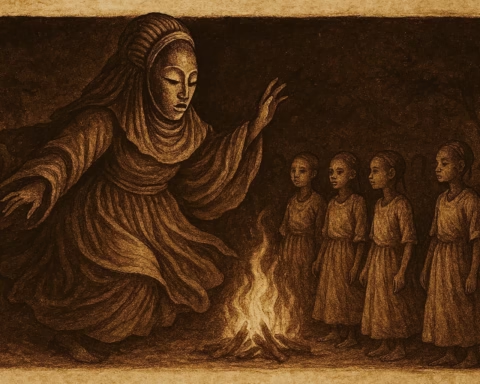
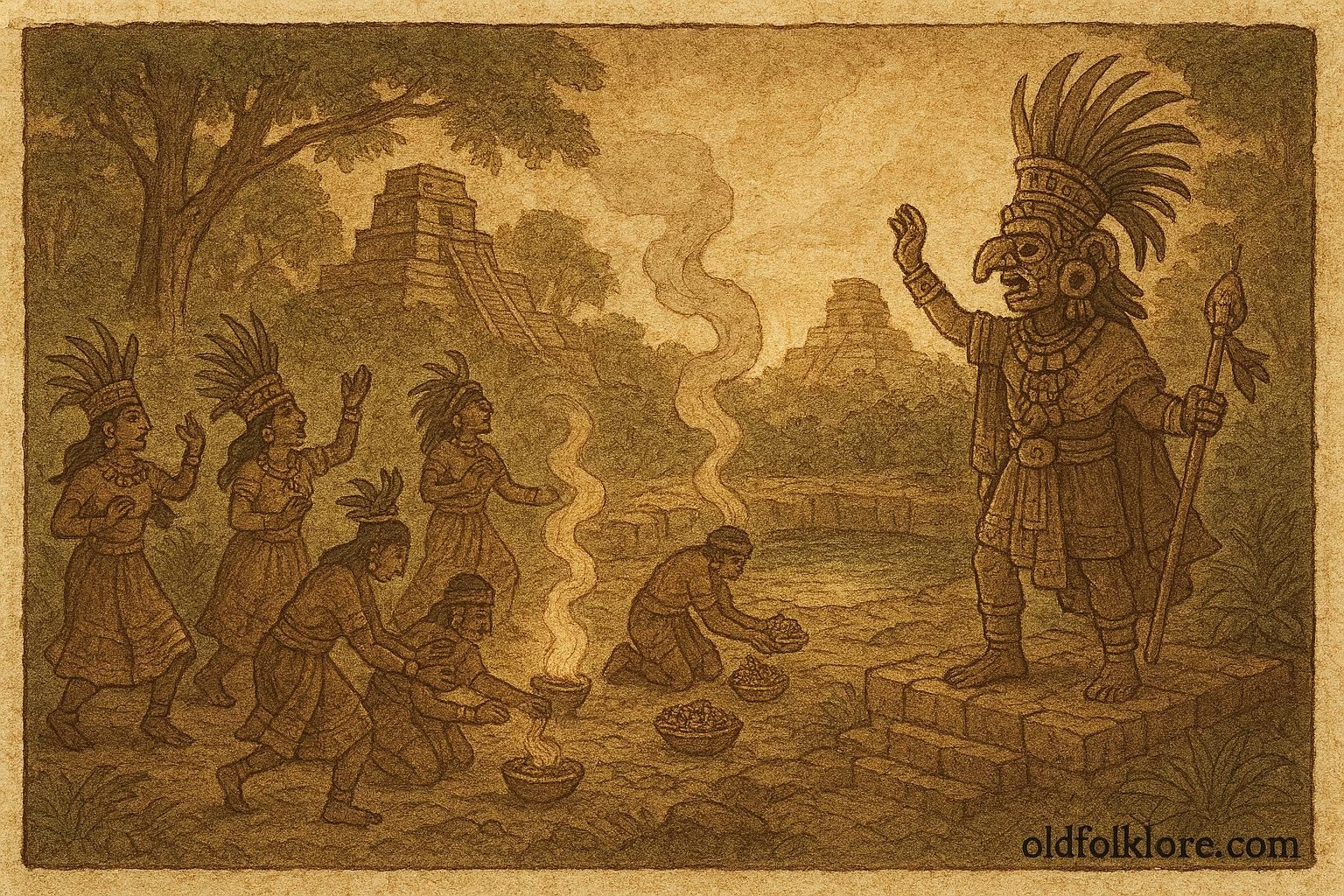
Chaac rain rites involve highly symbolic and carefully choreographed acts. In pre-Columbian times, priests or ritual specialists conducted processions, carried carved effigies, and offered food, incense, or other sacred items. These offerings were made to invoke Chaac’s favor, particularly during periods of drought or before planting season.
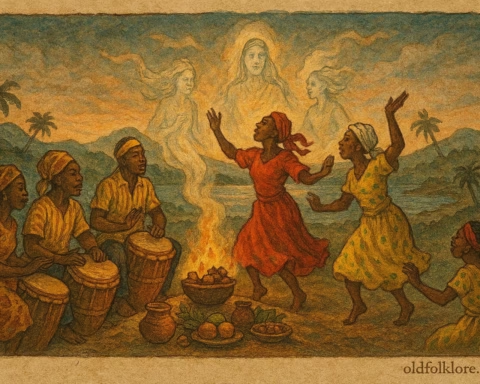
Participants danced and sang, often moving in directions corresponding to the cardinal points, each associated with a different Chaac manifestation. The ritual sometimes involved staged performances dramatizing the struggle of the maize goddess and Chaac, illustrating the interdependence of water, agriculture, and community survival.
Ceremonial sites often included cenotes, sacred wells believed to be portals to the underworld. Offerings deposited in cenotes were meant to reach Chaac directly. Contemporary ceremonies still honor these sacred waters, combining ancestral prayer with community gatherings, music, and feasting.
The rites also emphasize social cohesion: ritual specialists guide villagers through precise protocols, teaching respect for natural cycles and reinforcing collective responsibility for resource management. Rain rites thus served both spiritual and social functions, ensuring that humans remain in harmonious alignment with cosmic and ecological rhythms.
Mythic Connection
Chaac embodies the Maya understanding of the life-giving force of rain and its control over maize fertility. Mythologically, Chaac is portrayed wielding lightning axes that strike clouds, summoning rain essential for crops. His connection to both underworld waters and the celestial sky illustrates the Maya cosmological balance: storms must be propitiated to sustain life.
Through dance, offerings, and prayer, the community re-enacts the cosmic negotiation with Chaac. The ritual symbolizes human dependence on divine cycles and represents a moral contract: if people act ethically and maintain ceremonial obligations, Chaac ensures rainfall, abundance, and social stability. The rites also incorporate directional symbolism, linking the four Chaacs of the cardinal points with universal balance and maize cycles, a vivid enactment of the Maya’s sophisticated ecological and spiritual worldview.
Variants & Notes
-
Regional Differences: Some communities emphasize directional offerings and dances, while others focus on cenote-based water rituals.
-
Ritual Specialists: Depending on locality, priests or elder ritualists lead different ceremonial sequences.
-
Modern Adaptations: Today, some communities integrate Christian prayers alongside traditional offerings, creating syncretic ceremonies that retain the essence of Chaac worship.
Despite these variations, the core intent, rain invocation, agricultural fertility, and communal alignment with the divine, remains unchanged. The continuity of Chaac rites demonstrates both cultural resilience and ecological awareness encoded in ritual practice.
Author’s Note
Maya Chaac rain rites exemplify the integration of cosmology, agriculture, and community life. By offering food, performing dances, and presenting symbolic objects, participants enter into a spiritual dialogue with Chaac, sustaining maize fertility and ensuring ecological balance. The ritual demonstrates how mythology and daily subsistence intertwine: rainfall, crops, and human prosperity are inseparable in the Maya worldview. Chaac ceremonies also reinforce social norms, collective responsibility, and cultural memory, highlighting the enduring significance of ancestral wisdom in maintaining harmony between people, nature, and the divine.
Knowledge Check
-
Who is Chaac in Maya cosmology?
-
The rain god, controlling storms, fertility, and agricultural abundance.
-
-
What was the purpose of the Chaac rain rites?
-
To elicit rainfall, ensure crop fertility, and maintain cosmic and social balance.
-
-
What role did cenotes play in these rituals?
-
Sacred wells acting as portals to Chaac and the underworld, where offerings were deposited.
-
-
How did dance and directionality factor into the ceremonies?
-
Participants moved according to cardinal points, invoking Chaac’s manifestations and symbolizing cosmic balance.
-
-
How do contemporary Chaac rites differ from pre-Columbian forms?
-
Modern ceremonies may integrate Christian elements and community feasting while retaining core ritual acts.
-
-
What social function did the Chaac rites serve?
-
Reinforced community cohesion, ecological responsibility, and respect for ritual specialists.
-