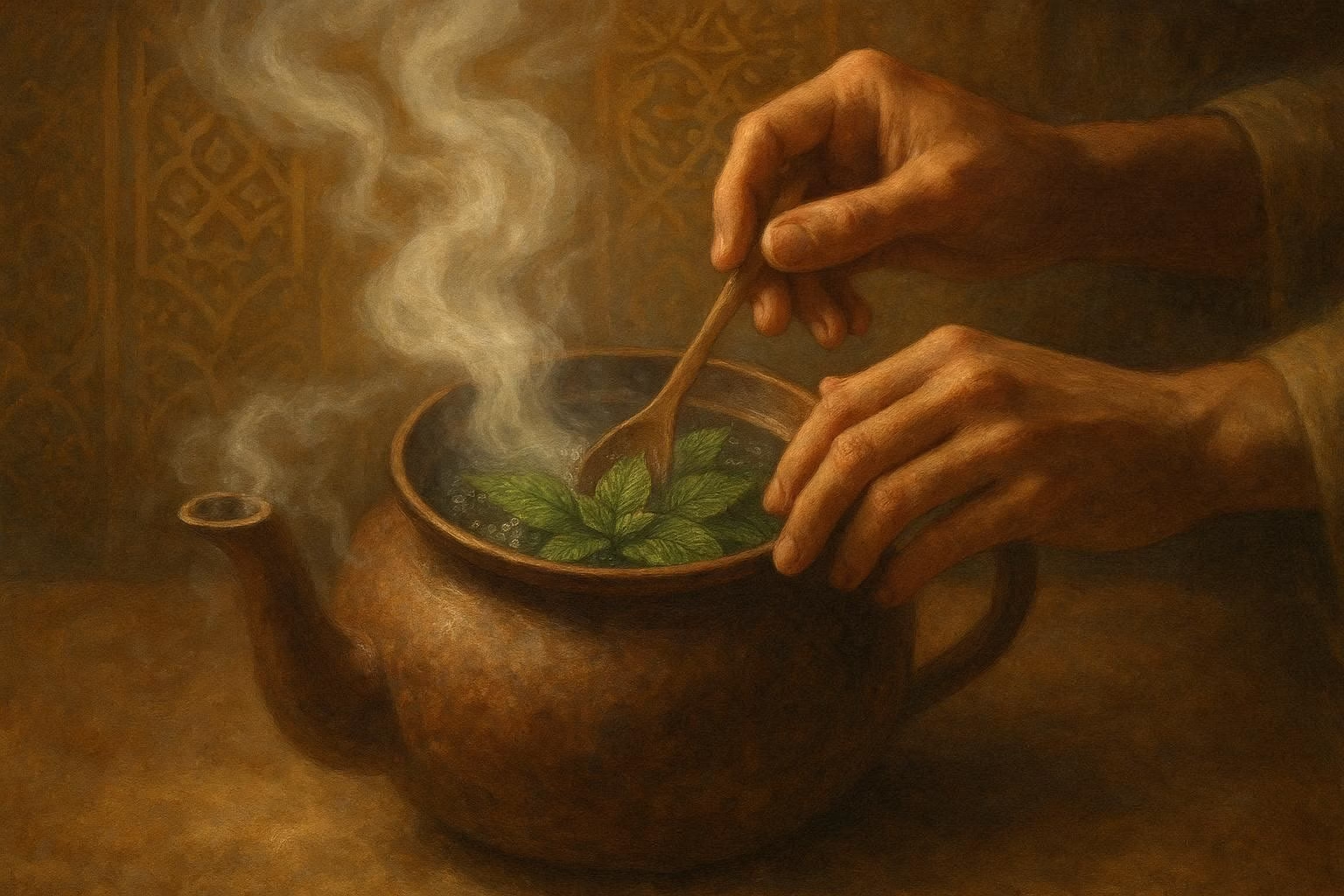
Moroccan culture places a high value on balance, social harmony, and self-restraint. In communities where daily life is intertwined with neighbors, families, and extended social networks, wisdom is often expressed through proverbs that guide people in managing emotions, resolving disputes, and practicing moderation. The idea of temperance is not simply personal discipline, it is essential for the survival of the social fabric. Words and actions must be measured, and peace is a collective responsibility.
The metaphor of mint leaves in boiling water is central to Moroccan and Sufi thought. Just as mint retains its fragrance and flavor even in harsh heat, a person who practices patience and moderation can preserve inner clarity and influence their environment positively. Conflict, like boiling water, is inevitable, but the wise navigate it without losing composure, ensuring that their presence contributes to healing rather than harm.
Sufi teachings, which emphasize inner balance, mindfulness, and the tempering of desires, have deeply influenced Moroccan proverbs. These sayings serve as guides to harmonize strength with gentleness, passion with reflection, and assertion with humility. The collection below presents a body of wisdom designed to teach the value of measured speech, controlled emotion, and peacemaking.
100 Proverbs (with Meanings)
- “Mint leaves stay fragrant in boiling water.” Meaning: Maintain composure under pressure.
- “He who raises his voice loses the argument.” Meaning: Anger weakens reason.
- “A hot temper burns the hand that holds it.” Meaning: Uncontrolled anger harms oneself.
- “Water cools the fire of quarrels.” Meaning: Patience resolves conflict.
- “Soft words calm harder hearts.” Meaning: Gentle speech can defuse tension.
- “Even the strongest wind cannot uproot a balanced tree.” Meaning: Inner stability protects against external stress.
- “The wise answer the insult with silence.” Meaning: Silence can prevent escalation.
- “A man who counts to ten before speaking avoids many regrets.” Meaning: Pause before reacting.
- “Anger is a guest; do not invite it to stay.” Meaning: Emotions should be temporary, not permanent.
- “He who plants peace reaps loyalty.” Meaning: Efforts for harmony build strong relationships.
- “A calm heart sees clearer than a stormy one.” Meaning: Clarity comes with emotional control.
- “Boiling water loses its fury when stirred with cool hands.” Meaning: Patience can reduce tension.
- “Do not shake the pot when mint is inside.” Meaning: Protect peace during conflict.
- “The tongue has no bones but can break hearts.” Meaning: Words can wound more than force.
- “He who controls himself controls the day.” Meaning: Self-discipline governs outcomes.
- “Even a lion tames its roar for wisdom.” Meaning: Strength is tempered by restraint.
- “A measured step avoids the fall.” Meaning: Moderation prevents harm.
- “The heated mind clouds judgment.” Meaning: Anger impairs decision-making.
- “Peace sown today grows shade tomorrow.” Meaning: Efforts for harmony have lasting effects.
- “Salt in anger spoils every meal.” Meaning: Irritation ruins otherwise good intentions.
- “A cool head is stronger than a hot sword.” Meaning: Composure beats aggression.
- “The wise speak to heal, not to wound.” Meaning: Purposeful speech nurtures others.
- “He who chases every insult catches none of peace.” Meaning: Avoid overreacting.
- “Even boiling water cannot destroy gentle fragrance.” Meaning: Virtue persists under pressure.
- “Moderation feeds the heart longer than indulgence.” Meaning: Balance sustains better than excess.
- “He who hurries loses both path and peace.” Meaning: Rashness harms outcomes.
- “A cool mind turns anger into laughter.” Meaning: Humor deflects hostility.
- “The river flows smooth when the stones are left undisturbed.” Meaning: Avoid unnecessary conflict.
- “Silence is often wiser than words in a storm.” Meaning: Quietness prevents escalation.
- “A heart at ease repels tension.” Meaning: Composure influences the environment.
- “He who answers fire with fire doubles the burn.” Meaning: Responding angrily worsens conflict.
- “Temperance is the shield against regret.” Meaning: Moderation prevents mistakes.
- “A seed of patience grows a tree of peace.” Meaning: Patience nurtures lasting harmony.
- “Even bitter water is sweet to the balanced tongue.” Meaning: Perspective transforms experience.
- “The storm tests the rooted tree, not the branches.” Meaning: Stability prevents collapse under stress.
- “Do not empty the teapot at once.” Meaning: Pace yourself; moderation is key.
- “Anger is a thief; it steals sense.” Meaning: Emotions can cloud judgment.
- “The calm hand turns the pot, not the angry one.” Meaning: Composure achieves results.
- “He who tempers his heart tempers his world.” Meaning: Self-control shapes relationships.
- “Even strong spice is pleasant when used sparingly.” Meaning: Moderation enhances impact.
- “Do not plant fire where children play.” Meaning: Avoid causing unnecessary conflict.
- “Patience tastes sweeter than revenge.” Meaning: Self-restraint is more rewarding than retaliation.
- “A gentle smile quells storms faster than a shout.” Meaning: Kindness diffuses tension.
- “He who listens twice before speaking calms the thrice-agitated heart.” Meaning: Thoughtful response stabilizes chaos.
- “Mint leaves retain aroma only if handled gently.” Meaning: Strength endures under careful treatment.
- “Moderation is the bridge between desire and wisdom.” Meaning: Balance prevents excess.
- “The boiling pot is tempered by a cool hand.” Meaning: Patience reduces conflict intensity.
- “Even anger can be brewed into understanding.” Meaning: Emotions can lead to insight if managed.
- “Words are arrows; aim before you shoot.” Meaning: Speak with intention.
- “The soft reed bends; the unbending breaks.” Meaning: Flexibility ensures survival.
- “Anger is a fire; feed it lightly.” Meaning: Control emotional intensity.
- “Peace begins where the loudest voice stops.” Meaning: Silence fosters reconciliation.
- “He who calms his own mind calms the crowd.” Meaning: Inner balance influences others.
- “Even the smallest leaf can cool the boiling pot.” Meaning: Small acts of patience make a difference.
- “Temperance preserves the feast.” Meaning: Moderation protects relationships and resources.
- “The wise sip hot tea slowly.” Meaning: Deliberation improves experience.
- “A heart that forgives boils no longer.” Meaning: Letting go ends inner turmoil.
- “The loudest drum cannot drown a gentle melody.” Meaning: Calmness has enduring influence.
- “He who hurries loses flavor in all he does.” Meaning: Patience enhances results.
- “Even bitter herbs taste good when balanced.” Meaning: Perspective and moderation improve experience.
- “Control your hands before your words.” Meaning: Manage actions before speaking.
- “The boiling teapot cools on the hearth of patience.” Meaning: Time eases tension.
- “Harmony begins with self-restraint.” Meaning: Inner balance promotes peace.
- “Do not break the mint while boiling; it will still lose fragrance.” Meaning: Force destroys subtle value.
- “A soft answer cools the heated heart.” Meaning: Kind speech calms anger.
- “He who tempers his desires lives twice as long in peace.” Meaning: Moderation sustains happiness.
- “Boiling water tests the mint, but does not destroy it.” Meaning: Resilience preserves virtue under pressure.
- “Anger held is better than anger spilled.” Meaning: Self-control is protective.
- “The wise use the wind, not fight it.” Meaning: Work with circumstances, not against them.
- “Even the bitterest tea can refresh when drunk with patience.” Meaning: Acceptance makes hardship tolerable.
- “Quiet steps cross the boiling pot safely.” Meaning: Calm approaches prevent harm.
- “Even the strongest aroma can overwhelm if unleashed all at once.” Meaning: Moderation enhances influence.
- “He who respects heat preserves flavor.” Meaning: Patience protects results.
- “Mint leaves in boiling water teach calm in adversity.” Meaning: Pressure reveals true composure.
- “The mouth that forgives is stronger than the hand that strikes.” Meaning: Reconciliation outweighs aggression.
- “Moderation is the key to every door.” Meaning: Balance opens opportunities.
- “Do not pour all spices at once; the dish becomes unfit.” Meaning: Excess spoils outcomes.
- “Even a loud quarrel ends in silence if patience prevails.” Meaning: Restraint brings resolution.
- “The boiling pot cannot burn the hand that acts with care.” Meaning: Caution prevents damage.
- “Small kindnesses calm great anger.” Meaning: Modest acts diffuse conflict.
- “Anger without reason is a storm without rain.” Meaning: Uncontrolled emotion is unproductive.
- “A gentle hand stirs the pot of disputes.” Meaning: Tactful action resolves tension.
- “He who sows moderation reaps contentment.” Meaning: Balanced actions yield satisfaction.
- “Even hot tea is drinkable when taken in small sips.” Meaning: Gradual handling eases challenge.
- “Temperance in words saves the heart.” Meaning: Measured speech prevents hurt.
- “Boiling water does not scald the patient hand.” Meaning: Calmness withstands adversity.
- “He who listens first speaks second, and wisdom grows.” Meaning: Reflection precedes understanding.
- “Mint leaves keep their scent when treated with care.” Meaning: Patience preserves virtue.
- “Conflict cooled by kindness lasts only as a lesson.” Meaning: Peaceful resolution limits harm.
- “Even the boiling pot can nourish when handled with care.” Meaning: Challenges can produce positive outcomes if managed well.
- “A soft tongue tames a wild heart.” Meaning: Kind words influence even difficult people.
- “Moderation feeds more than indulgence.” Meaning: Balance sustains longer than excess.
- “Anger is a guest; do not feed it.” Meaning: Avoid prolonging negative emotions.
- “Even the hottest pot can be approached with a spoon of patience.” Meaning: Care reduces risk.
- “He who controls his mind masters the world.” Meaning: Inner restraint leads to external success.
- “Mint leaves remind us that fragrance survives heat.” Meaning: Virtue persists under pressure.
- “A gentle answer turns away wrath.” Meaning: Soft responses prevent escalation.
- “Temperance protects more than strength.” Meaning: Restraint is more effective than force.
- “Boiling water tests the herb, not the flavor.” Meaning: Pressure reveals, not destroys, true quality.
- “The balanced heart walks safely through fire.” Meaning: Emotional equilibrium ensures resilience.
Author’s Note
These Moroccan proverbs demonstrate the importance of balance, self-restraint, and emotional intelligence. They reflect the wisdom of generations who valued communal harmony, conflict resolution, and inner peace. The metaphor of mint in boiling water reminds us that temperance allows strength and virtue to endure under pressure. Applying these lessons in daily life fosters patience, maintains relationships, and cultivates inner tranquility.
Knowledge Check
- Q: What does the metaphor of “mint leaves in boiling water” symbolize?
A: Maintaining composure and virtue under pressure. - Q: Why is moderation emphasized in Moroccan proverbs?
A: Balance preserves harmony, relationships, and personal well-being. - Q: How do these sayings suggest handling anger?
A: With patience, reflection, and measured responses. - Q: What role does speech play in conflict according to these proverbs?
A: Gentle, deliberate words can prevent or resolve disputes. - Q: How does Sufi influence appear in these proverbs?
A: Through the emphasis on inner balance, self-control, and temperance. - Q: What is the relationship between conflict and wisdom in these sayings?
A: Managing conflict with patience and moderation is a mark of true wisdom.