The Nøkk (Norwegian), Näcken (Swedish), or Nøkken (Danish) is a mysterious and dangerous water spirit from Scandinavian folklore. These beings inhabit lakes, rivers, and streams, often appearing at dusk or under moonlight to lure humans, especially children or young maidens, toward watery deaths. Across Norway, Sweden, and Denmark, Nøkk tales are pervasive, documented in 19th-century folklore collections and preserved in local ballads.
Appearance
The Nøkk is notoriously shape-shifting. Accounts describe a wide range of forms:
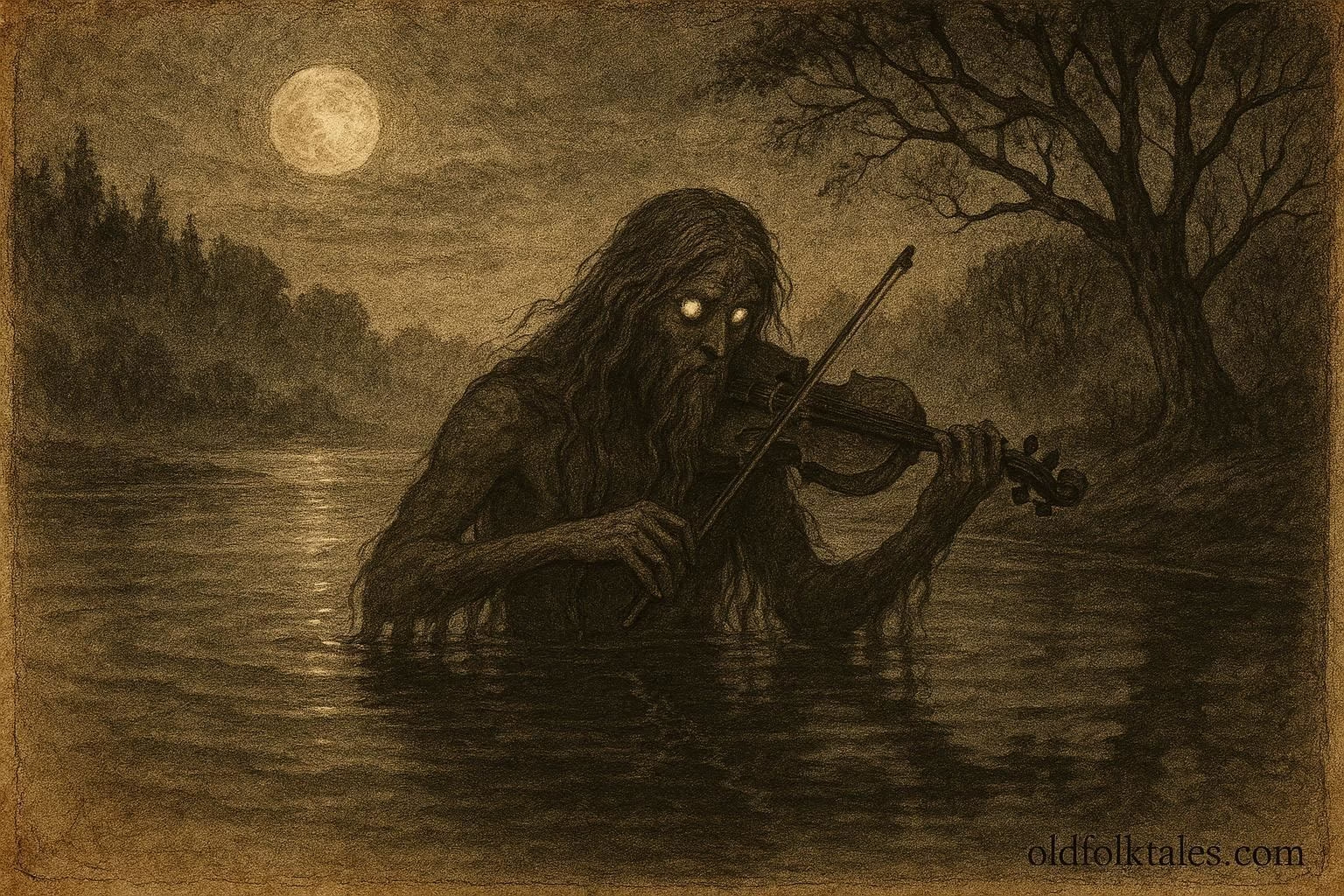
- Human Form: Often a handsome young man, usually with long hair and melancholy expression, sometimes half-submerged in water.
- Animal Form: Some tales report horse-like or dog-like shapes, particularly near the water’s edge.
- Water Spirit Form: Transparent or fluid-like, blending with river currents.
Some variants include musical elements: the Nøkk may be depicted carrying a violin, harp, or fiddle. When playing, his music is both beautiful and deadly, drawing victims closer. His eyes are sometimes described as hypnotic or watery, reflecting his aquatic nature.
The multiplicity of forms highlights a central folkloric theme: the Nøkk embodies both allure and danger, showing that appearances can mask hidden threats.
Behavior and Powers
The Nøkk is primarily associated with luring and drowning humans, but his behavior is complex and varies regionally:
- Musical Lures: His most infamous power is playing enchanting tunes that mesmerize listeners. Victims are compelled to approach the water, often leading to drowning.
- Shapeshifting: The Nøkk can appear as attractive humans, animals, or water apparitions, adapting to the environment to deceive the unwary.
- Teaching Talent: In some tales, musicians who brave the Nøkk’s waters or confront him correctly can learn extraordinary skills—particularly mastery over the violin or harp.
- Water Control: As a water spirit, he can manipulate currents, tides, and river flow, reflecting his link to natural forces.
While malevolent in many traditions, the Nøkk also demonstrates a liminal morality: he punishes carelessness near rivers but can reward those with courage, skill, or respect for the natural world.
Myths, Beliefs, and Rituals
- Cautionary Tales: Nøkk stories were commonly told to warn children and villagers about the dangers of water. Parents and elders used these tales to teach safety near rivers, lakes, and ponds, where accidents could easily occur.
- Seasonal Appearances: In Scandinavian folklore, the Nøkk was particularly active during Midsummer or Walpurgis Night, when water spirits were believed to be strongest.
- Ballads and Oral Tradition: Songs and poems recount tragic encounters with the Nøkk, such as enchanted youth drawn into lakes by irresistible music. 19th-century collectors, including Swedish folklorists like Bengt af Klintberg, documented these narratives.
- Local Variants:
- Norwegian nøkken: Often described as a male water spirit who can vanish into a whirlpool.
- Swedish näcken: Known to teach musicians under strict rules; refusing proper respect could result in death.
- Danish nøkken: Sometimes seen as a water horse that drowns riders who try to mount him.
- Moral Dimensions: These legends carry lessons about respecting nature, heedfulness near dangerous waters, and the consequences of overconfidence. The Nøkk’s dual role as teacher and killer underscores the fine line between reward and punishment.
- Connection to Music and Mystery: Nøkk tales highlight the Scandinavian association between music and the supernatural. His songs are described as hypnotic, sorrowful, yet beautiful, suggesting a symbolic link between artistic allure and moral hazard.
Symbolism
The Nøkk encapsulates several layers of cultural symbolism:
- Danger of Nature: Rivers, lakes, and streams can be life-giving but deadly; the Nøkk personifies these risks.
- Liminality and Transformation: Shape-shifting reflects uncertainty and the unseen forces of the natural world.
- Music as Power: Mastery over music can be magical but also dangerous, showing that skill requires respect and discipline.
- Moral Instruction: Tales teach caution, responsibility, and awareness of hidden threats in everyday life.
- Life, Death, and Reward: The Nøkk’s dual nature reminds listeners that the natural world is both nurturing and punishing.
Cultural Role
In Scandinavian communities, the Nøkk functioned as both cautionary figure and symbolic guardian of water bodies. His tales reinforced community rules: children were warned not to swim alone, and young adults were taught to respect rivers. Ballads and seasonal celebrations embedded the Nøkk in local identity, linking natural geography, ritual observances, and folk morality.
Moreover, the Nøkk’s connection to music illustrates the intersection of folklore, art, and supernatural belief, making him a multi-faceted figure in Scandinavian cultural imagination.
Encounter dragons, spirits, and beasts that roamed the myths of every civilization
Author’s Note
The Nøkk exemplifies how folklore transforms natural hazards into living, moralized entities. By giving rivers and lakes a sentient, musical, and dangerous inhabitant, Scandinavian storytellers encoded lessons in respect, caution, and artistic reverence. Studying the Nøkk offers insight into how pre-modern communities navigated a world where human survival depended on both skill and humility toward the elements.
Knowledge Check (Q&A)
- Q: In which countries is the Nøkk found in folklore?
A: Norway, Sweden, and Denmark. - Q: What is the Nøkk famous for doing to humans?
A: Luring them to water with enchanting music, sometimes causing drowning. - Q:Which instruments is the Nøkk associated with?
A: Violin, fiddle, and harp. - Q: Can the Nøkk ever reward humans?
A: Yes; skilled or respectful musicians may learn extraordinary talents. - Q: What forms can the Nøkk take?
A: Human, animal (horse or dog), or water-spirit forms. - Q: What moral lessons does the Nøkk represent?
A: Respect for nature, caution near water, humility, and awareness of hidden dangers.
Source: 19th-century Scandinavian ballad collections; Danish and Swedish folklore anthologies
Origin: Scandinavia (Norway, Sweden, Denmark); rural and riverine folk tradition, pre-Christian and early modern period