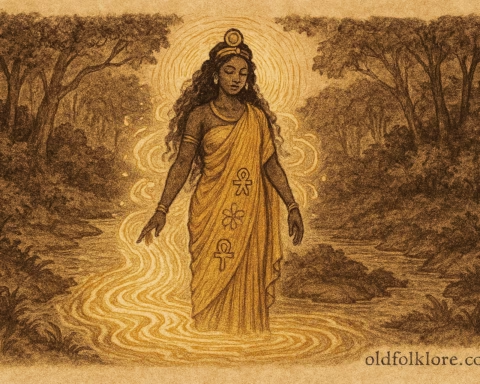
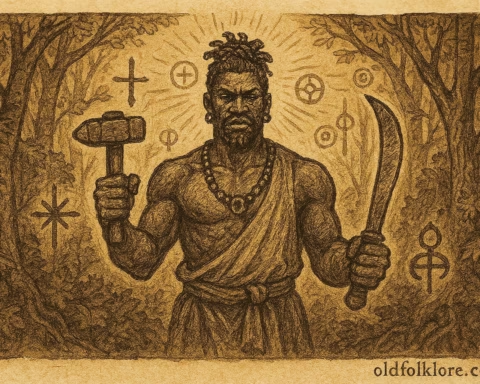
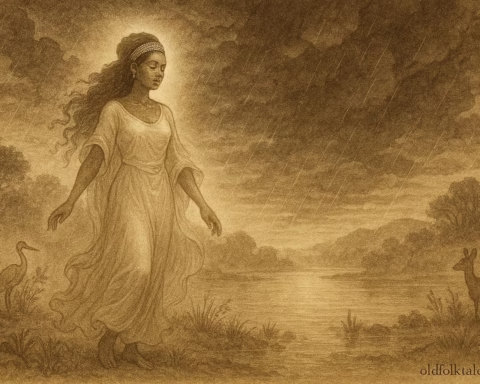
Ọbatálá, also revered as Oríṣànlá, is one of the foremost Orishas in Yoruba cosmology. He is entrusted by Olódùmarè, the supreme deity, with the creation of the earth and humankind. Ọbatálá embodies moral clarity, wisdom, and benevolence. His sacred color is white, symbolizing purity, serenity, and divine authority.
Symbols associated with Ọbatálá include clay, a white hen or pigeon, palm kernels, and a snail shell, items central to the creation myth. He is also linked with human dignity and justice, often invoked to protect the vulnerable, especially those born with imperfections. Ritual offerings of white foods and fabrics honor him, while festivals and Orisha temples celebrate his enduring presence in Yoruba spiritual life.
Mythic Story
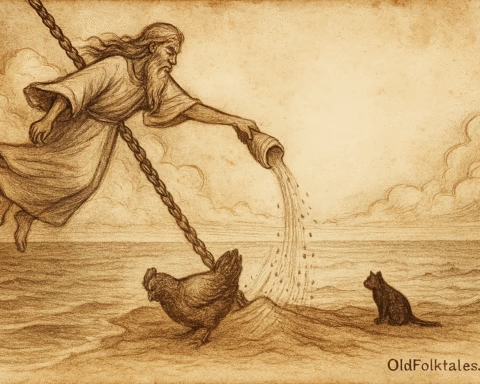
Before the world as mortals know it existed, only the vast waters stretched endlessly beneath the sky. Olódùmarè, the supreme god, summoned Ọbatálá for a sacred task: to descend from the heavens and fashion dry land and the first human beings. To aid him, Olódùmarè gave him a golden chain, a snail shell filled with fertile soil, a white hen, palm kernels, and a gentle white pigeon.
Suspended by the chain, Ọbatálá slowly lowered himself toward the primordial waters. As he poured the soil from the snail shell onto the liquid expanse, the hen and pigeon scratched and scattered it, spreading the earth until dry land emerged. This land would later become the sacred city of Ifẹ, a center of civilization and spiritual life.
Having formed the land, Ọbatálá began to mold the first humans from clay. Each figure rose beneath his careful hands, infused with his divine intention for life and harmony. But as the sun rose higher, Ọbatálá felt an overwhelming thirst. Seeking relief, he tasted the palm wine meant for celebration and ritual. The intoxication clouded his judgment, and the clay figures he crafted during this time emerged imperfect, some with disabilities, others with albinism, their forms a testament to human fragility.
Upon sobering, Ọbatálá’s heart ached at the sight of his flawed creations. In an act of compassion, he vowed to guard and honor every human, particularly those whose forms were “imperfect” in his eyes. Some traditions recount that, following his lapse, Odùduwà descended to complete the creation of land, but it remained Ọbatálá who safeguarded the dignity and destiny of humankind.
This myth reveals Ọbatálá’s dual role as both divine artist and moral guide. His creations, though sometimes imperfect, embody the sanctity of human life. By embracing imperfection and protecting the vulnerable, Ọbatálá demonstrates divine humility and the ethical duty to nurture all beings.
Through generations, Yoruba communities preserved this narrative orally, recounting it during festivals, initiation rites, and in stories told around fires. Even today, Ọbatálá’s temples maintain rituals honoring his purity, wisdom, and compassion, reinforcing moral values while connecting practitioners with cosmic order.
Author’s Note
The story of Ọbatálá reminds us that creativity, wisdom, and moral responsibility are inseparable. Even the divine may falter, yet compassion and dedication to care define true greatness. In crafting humanity, Ọbatálá teaches that imperfections are sacred and that stewardship, empathy, and respect for life are central to both spiritual and earthly harmony.
Knowledge Check
Q1: Who tasked Ọbatálá with creating the world and humanity?
A: Olódùmarè, the supreme deity, commissioned Ọbatálá to form the land and fashion human beings.
Q2: What items were given to Ọbatálá to aid in creation?
A: A golden chain, snail shell filled with soil, white hen, palm kernels, and a white pigeon.
Q3: Why did some humans become imperfect according to the myth?
A: Ọbatálá drank palm wine and became intoxicated, causing some clay figures to be malformed.
Q4: What does the color white symbolize for Ọbatálá?
A: Purity, moral clarity, and divine authority.
Q5: Which city emerged from the soil spread by Ọbatálá?
A: Ifẹ, considered a sacred center of Yoruba civilization.
Q6: What lesson does Ọbatálá’s myth convey about imperfection?
A: Imperfections are sacred; divine compassion involves protecting and honoring all beings, especially the vulnerable.
Source: Yoruba Mythology, Nigeria
Source Origin: Yorùbá lands (present-day southwestern Nigeria, Benin)