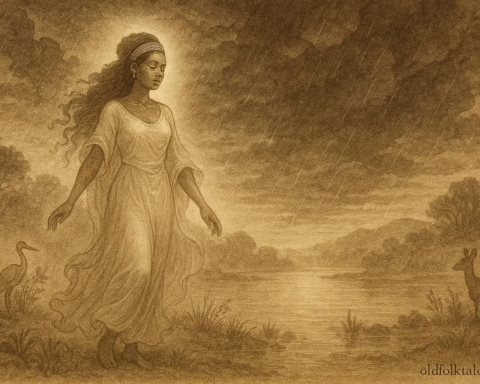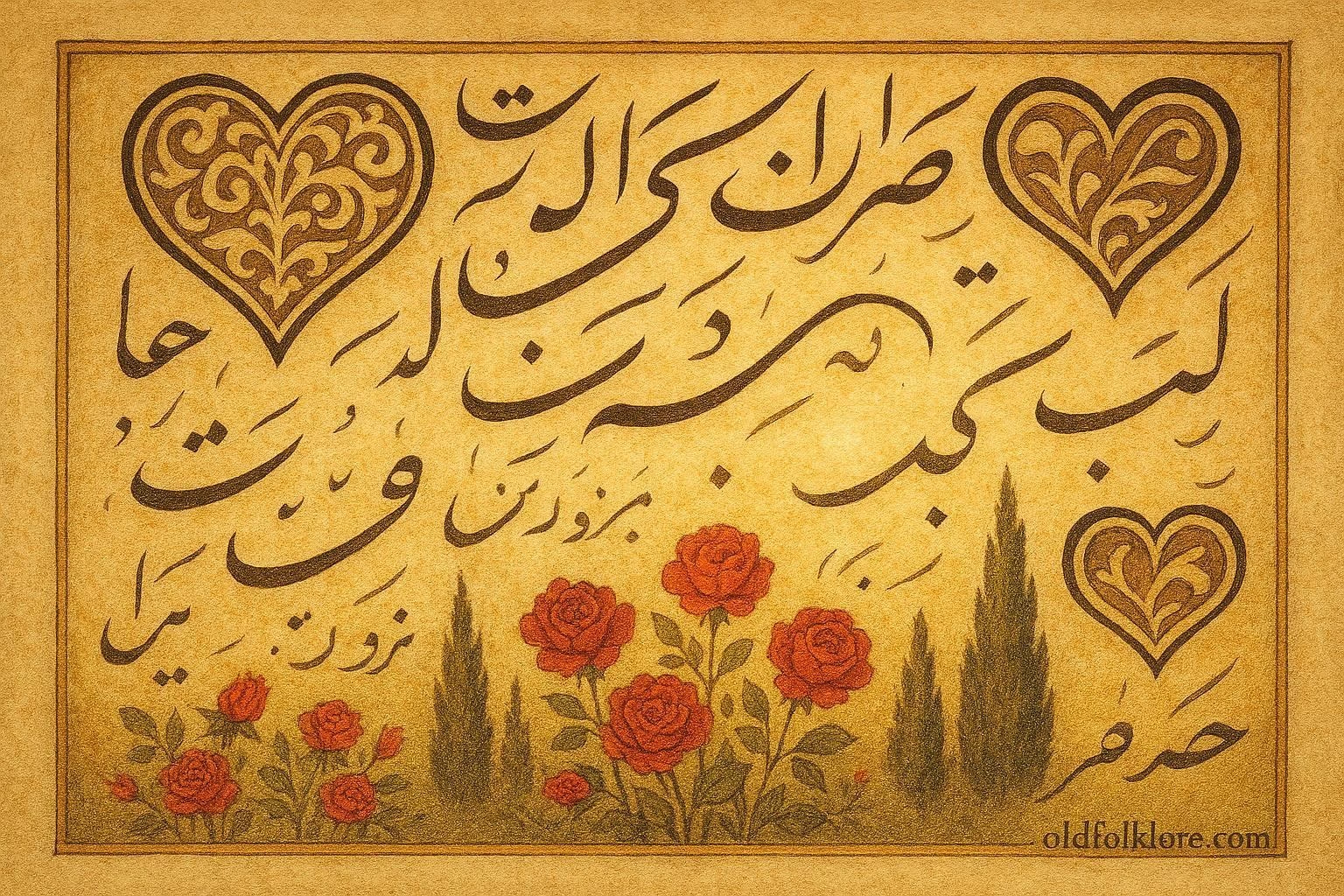
Persian culture, one of the oldest literary civilizations in the world, has long celebrated the fusion of beauty, wisdom, and spirituality. From the flowing verses of Hafez and Saadi to the mystical reflections of Rumi, Persian literature embodies profound truths about the human soul, love, and the pursuit of understanding. Proverbs and poetic sayings are not just ornamental expressions, they are condensed wisdom, passed down through generations to teach humility, patience, and insight.
In Persian thought, wisdom is inseparable from love, both divine and human. A single proverb or line of poetry often contains multiple layers of meaning, encouraging reflection on personal conduct, the mysteries of life, and the soul’s relationship with the universe. Spiritual clarity, ethical living, and emotional intelligence are central themes, guiding the individual to live harmoniously with both self and society.
The following 100 proverbs and poetic insights distill the essence of Persian poetic thought. They remind us that true wisdom emerges from contemplation, compassion, and a deep awareness of life’s transient beauty.
Proverbs List
- “Del be del rah darad.”
Translation: The heart has a path to the heart.
Meaning: True connection transcends words; empathy bridges souls. - “Eshq gham nadarad.”
Translation: Love has no sorrow.
Meaning: Genuine love transcends suffering and worldly concerns. - “Doost dar ghalb-e del ast, na dar chehre.”
Translation: A friend is in the heart, not the face.
Meaning: True friendship is based on inner virtue, not appearances. - “Shirini-ye del be khoshbini ast.”
Translation: Sweetness of the heart comes from kindness.
Meaning: Compassion fosters inner joy. - “Eshq raftan ast, na didan.”
Translation: Love is a journey, not a sight.
Meaning: Love is an experience, not merely observation. - “Dar del-e shirin, gham nemimonad.”
Translation: In a sweet heart, sorrow does not remain.
Meaning: Kindness softens pain and brings resilience. - “Doostan roshanai-ye zendegiand.”
Translation: Friends are the light of life.
Meaning: Companionship illuminates life’s path. - “Eshq be cheshm nemayad, be del miayad.”
Translation: Love does not appear to the eyes, it enters the heart.
Meaning: True affection is internal and invisible. - “Bikhial be del-e dust.”
Translation: Unconcerned to the heart of a friend.
Meaning: Neglect harms relationships; attention nourishes them. - “Hame chiz be del miayad.”
Translation: Everything comes to the heart.
Meaning: Inner perception interprets the world more than mere sight. - “Eshq, roshanai-ye rooh ast.”
Translation: Love is the light of the soul.
Meaning: Love illuminates the inner self and guides action. - “Az del, del ra mishenasad.”
Translation: The heart recognizes another heart.
Meaning: Genuine understanding comes from empathy. - “Doost be del, na be lab.”
Translation: Love the heart, not the lips.
Meaning: Sincerity matters more than words. - “Shirin tar az asali ke del ra labas-e gham nemikonad.”
Translation: Sweeter than honey is the heart free of sorrow.
Meaning: Emotional freedom is the true sweetness of life. - “Doost-e bi manzhar, kamyab ast.”
Translation: A friend without pretense is rare.
Meaning: Genuine loyalty is precious. - “Del-e por az mehr, zamin ra roshan mikonad.”
Translation: A heart full of kindness lights the world.
Meaning: Goodness spreads and inspires beyond the self. - “Eshq dar har goosh-e zendegi miayad.”
Translation: Love comes into every corner of life.
Meaning: True love manifests in all experiences. - “Ghalb-e shirin, ghalb-e piroz ast.”
Translation: Sweet heart is victorious heart.
Meaning: Kindness leads to spiritual triumph. - “Az mehr, har gham miayad roshan.”
Translation: From love, every sorrow becomes light.
Meaning: Compassion transforms suffering. - “Doostan, pohat-e deland.”
Translation: Friends are the companions of the heart.
Meaning: True friends provide emotional and spiritual support. - “Hikmat dar sokhan, na dar aghl.”
Translation: Wisdom lies in speech, not in intellect.
Meaning: Expressed understanding guides others, not just private thought. - “Zendegi, daurat-e fanast.”
Translation: Life is the arena of art.
Meaning: Life is to be shaped thoughtfully and beautifully. - “Har kas be manzelat-e khod miresad.”
Translation: Everyone reaches their own station.
Meaning: Patience and virtue determine one’s place in life. - “Rooh-e roshan, del ra rahnemood mikonad.”
Translation: An enlightened soul guides the heart.
Meaning: Spiritual clarity provides ethical direction. - “Zar ra ba del shenakhtan behtar ast.”
Translation: Knowing the heart is better than knowing gold.
Meaning: Character matters more than wealth. - “Goftego, ayn-e rooh ast.”
Translation: Conversation is the mirror of the soul.
Meaning: Dialogue reflects inner truth. - “Aql va mehr, donyaye roshan mishavad.”
Translation: Mind and love make the world bright.
Meaning: Wisdom and compassion together illuminate life. - “Rah-e hasti ba sokhan gozarad.”
Translation: The path of existence passes through speech.
Meaning: Words shape destiny. - “Hikmat dar sabr ast.”
Translation: Wisdom is in patience.
Meaning: Self-restraint fosters insight. - “Har gham, dars-e zendegi ast.”
Translation: Every sorrow is a lesson in life.
Meaning: Difficulty teaches understanding. - “Aql be del rah nemiborad, agar mehr nabashad.”
Translation: Intellect finds no path to the heart without love.
Meaning: Knowledge alone cannot guide without empathy. - “Zendegi be did-e rooh pasand ast.”
Translation: Life is judged by the soul’s eye.
Meaning: Inner perception matters more than appearances. - “Har goosh-e del, payani bar rah ast.”
Translation: Every corner of the heart holds the path’s end.
Meaning: Self-reflection leads to clarity. - “Sokhan-e khosh, del ra roshan mikonad.”
Translation: Sweet words illuminate the heart.
Meaning: Kind expression fosters understanding. - “Hikmat dar anduh ast.”
Translation: Wisdom is in sorrow.
Meaning: Reflection arises from challenges. - “Ghalb-e bi-fikr, gharar nadarad.”
Translation: A thoughtless heart has no stability.
Meaning: Reflection stabilizes the soul. - “Har kas be andishe-ye khod rahnemood ast.”
Translation: Everyone is guided by their own contemplation.
Meaning: Personal reflection shapes choices. - “Roshd, ba mehr va aql miayad.”
Translation: Growth comes with love and intellect.
Meaning: Balance of compassion and wisdom leads to progress. - “Del-e roshan, donya ra roshan mikonad.”
Translation: An enlightened heart illuminates the world.
Meaning: Inner clarity affects the outer environment. - “Har shakhsi, dast-e khod ra dar zendegi mibinad.”
Translation: Everyone sees their own hand in life.
Meaning: Individuals bear responsibility for their path.
- “Rooh be del gozashtan ast.”
Translation: The soul is placed in the heart.
Meaning: Spiritual awareness resides within. - “Eshq-e khoda, roshanai-ye rooh ast.”
Translation: Love of God is the light of the soul.
Meaning: Divine love brings inner illumination. - “Har gham, dar roh-e sabr kamel mishavad.”
Translation: Sorrow completes the soul through patience.
Meaning: Endurance nurtures spiritual growth. - “Aql be del rahm nemibarad, agar rooh nashavad.”
Translation: Mind cannot reach the heart without spirit.
Meaning: Intellectual insight is incomplete without spiritual awareness. - “Har kas be noor-e rooh roshan mishavad.”
Translation: Everyone is illuminated by the light of the soul.
Meaning: Inner awareness brings guidance. - “Sokhan bar rooh asar mikonad, na bar del.”
Translation: Words affect the soul, not only the heart.
Meaning: Profound speech shapes inner life. - “Zendegi be mehr va rooh pasand ast.”
Translation: Life prefers love and spirit.
Meaning: True fulfillment arises from compassion and spirituality. - “Har del, golbarg-e rooh ast.”
Translation: Every heart is a petal of the soul.
Meaning: Individuals are parts of a greater spiritual whole. - “Sabr, kalame-ye rooh ast.”
Translation: Patience is the language of the soul.
Meaning: Endurance expresses inner wisdom. - “Mehr va aql, rooh ra roshan mikonad.”
Translation: Love and intellect illuminate the soul.
Meaning: Balance leads to inner clarity.
Author’s Note
The wisdom of Persian poets teaches that life is a delicate balance of love, intellect, and spiritual awareness. Proverbs and poetic lines encapsulate the Sufi ideal: knowledge without compassion is hollow, and love without insight is fleeting. These sayings encourage readers to cultivate the heart, sharpen the mind, and honor the soul’s guidance.
Knowledge Check
- Q: What three qualities are central to Persian poetic wisdom?
A: Love, wisdom, and spiritual clarity. - Q: Why do Persian proverbs emphasize the heart over appearances?
A: True understanding comes from inner virtue, not external beauty. - Q: What role does patience play in Persian wisdom?
A: It nurtures reflection, growth, and spiritual insight. - Q: How does Persian literature connect love with wisdom?
A: Love inspires ethical action and deep understanding of life. - Q: What is the purpose of metaphor in these proverbs?
A: To convey complex truths about life and the soul in simple, memorable terms. - Q: How can these proverbs guide modern readers?
A: By encouraging compassion, reflection, humility, and spiritual awareness in daily life.