Perchtenlauf is one of the most ancient winter rituals of the Eastern Alps, rooted in the pre-Christian traditions of Austria, Bavaria, and Tyrol. Long before Christianity shaped the mountain valleys, the winter months were believed to be ruled by Perchta, a mysterious goddess of fate, spinning, and the restless dead. Villages nestled between the snow-heavy peaks honored her with solemn fear and deep reverence.
The earliest traces of Perchten rites appear in medieval chronicles describing wild midwinter processions, masked dancers, and frightening spirits moving from house to house. These customs were not mere entertainment, they were acts of survival, ceremonies meant to cleanse the community, ward off misfortune, and prepare the land for the coming year. Over centuries, these beliefs evolved into the Perchtenlauf, a ritual procession blending folk memory, communal performance, and seasonal magic.
Description: Masks, Bells, and the March Through Winter
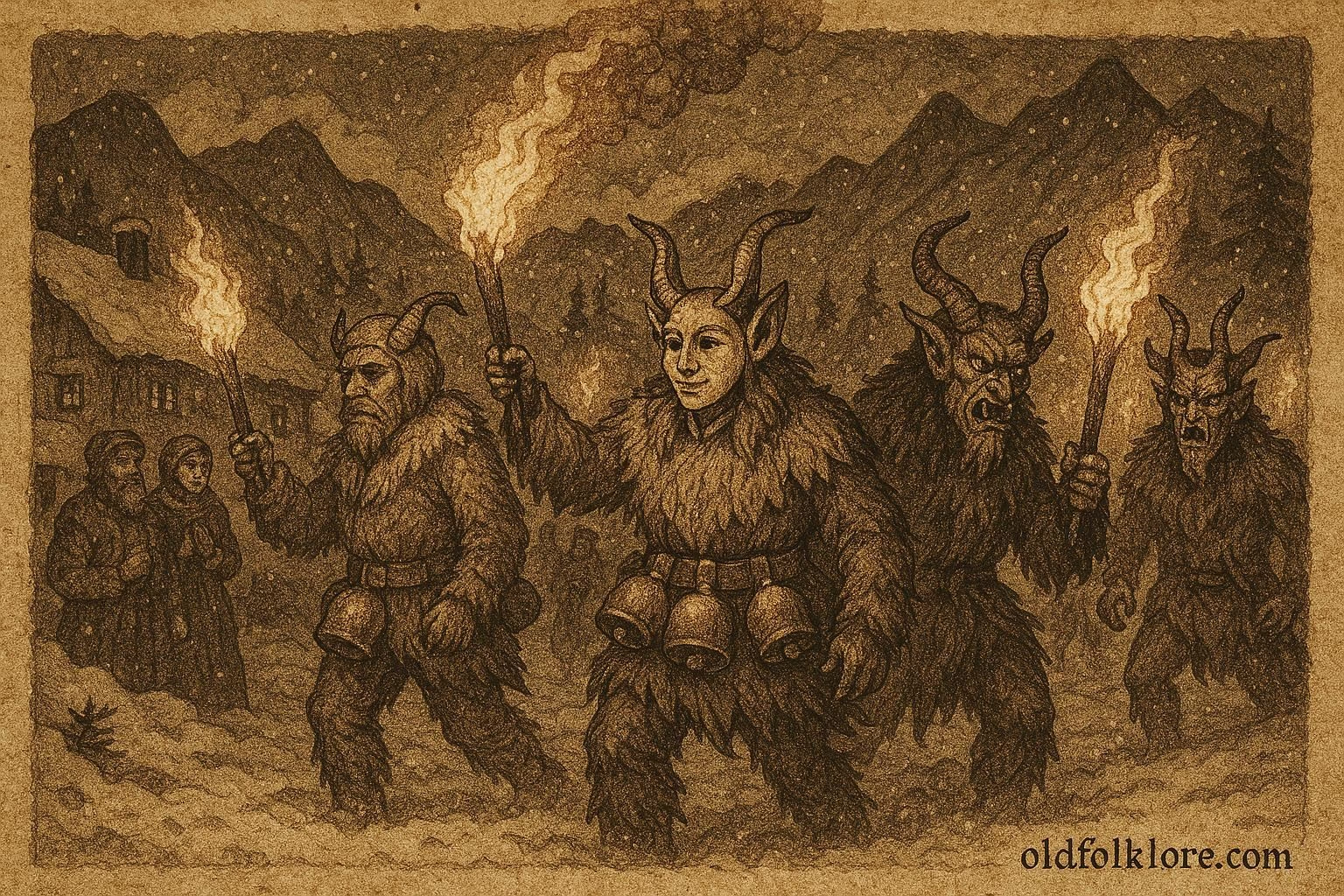
On the coldest nights of midwinter, the Perchten emerge. Men and sometimes women wear carved wooden masks, some grotesque with twisted horns and tusks, others serene and radiant, each representing a different face of the unseen world. Their pelts, heavy furs, and layers of leather echo the primal, animalistic force of winter.
Two types of Perchten lead the procession:
Schiachperchten (Ugly Perchten)
These fearsome figures embody chaos, sickness, and the spirits that cling to the fading year. Their masks are monstrous, their voices distorted, and their bells thunder through the streets. Yet their presence is protective: by frightening the village, they drive away misfortune and cleanse the community of stagnant energy.
Schönperchten (Beautiful Perchten)
In contrast, the Beautiful Perchten symbolize renewal, fertility, and blessing. Their masks are smooth and bright, sometimes adorned with flowers, feathers, or golden patterns. They walk with measured grace, offering symbolic good fortune for the year ahead.
The procession often begins at dusk. Torches ignite, drums echo, and the Perchten sweep through the village in a rhythm that feels both ancient and immediate. Bells clang with intentional force, not musical, but ritualistic, a sonic barrier against the darkness. Spectators watch with exhilaration and unease, for the line between performance and genuine spiritual presence is intentionally blurred.
As the Perchten pass each home, they symbolically sweep away the misfortunes of the old year. In many regions, they also bless households, animals, and fields, continuing an agrarian tradition rooted in fears of winter scarcity and hopes for spring abundance.
Mythic Connection
At the heart of Perchtenlauf stands Perchta (or Berchta), a powerful Alpine goddess whose nature is both nurturing and terrifying. Her mythology weaves together themes of fate, seasonal death, and moral order.
The Two Faces of Perchta
Perchta herself is said to appear in dual form:
-
The Fair Perchta, shining like snow under moonlight, blessing spinning work, hearths, and obedient households.
-
The Dark Perchta, long-nosed and fearsome, punishing laziness, greed, and those who fail to honor winter rites.
The Schönperchten and Schiachperchten represent these two manifestations. Through them, communities reenact the balance between darkness and light, punishment and reward, death and rebirth, the very cycles that define mountain life.
The Spinning Thread of Fate
Perchta is also linked to the act of spinning. In folklore, she inspects women’s spinning work during the Twelve Nights of Christmas. Threads left unfinished could bring misfortune, illness, or punishment. This myth connects directly to the order of the household and the harmony of community life.
Winter, the Dead, and the Liminal Nights
Kupala Night celebrates midsummer liminality; Perchtenlauf honors its opposite, winter’s thin veil. According to Alpine belief, the souls of the dead roam freely during these nights. The Perchten’s bells, masks, and dances guide them, calm them, or drive away malevolent forces.
Thus Perchtenlauf is not only a festival. It is a dialogue with unseen powers, a ritual negotiation with the forces that govern winter’s danger and spring’s hope.
Author’s Note
This article examined Perchtenlauf as a living link to Alpine pre-Christian ritual life. It explored the procession’s origins, its symbolic use of masks and movement, and its connection to the goddess Perchta. The narrative also highlighted how the rite expresses seasonal renewal, communal protection, and the enduring presence of myth in modern cultural practice.
Knowledge Check
1. Who is Perchta in Alpine mythology?
Perchta is a winter goddess associated with fate, spinning, and the spirits of the dead.
2. What are the two types of Perchten?
Schönperchten (beautiful) bring blessings, while Schiachperchten (ugly) chase away evil and misfortune.
3. Why do Perchten wear masks and bells?
They use them to cleanse communities, frighten away harmful spirits, and symbolize seasonal transformation.
4. What season does Perchtenlauf honor?
Midwinter, when the veil between the living and the dead is believed to be thin.
5. How does the ritual reflect Alpine agrarian life?
It blesses homes, livestock, and fields, reinforcing hopes for spring fertility.
6. What moral idea is linked to Perchta’s myth?
She rewards diligence and punishes laziness, especially in spinning and household order.