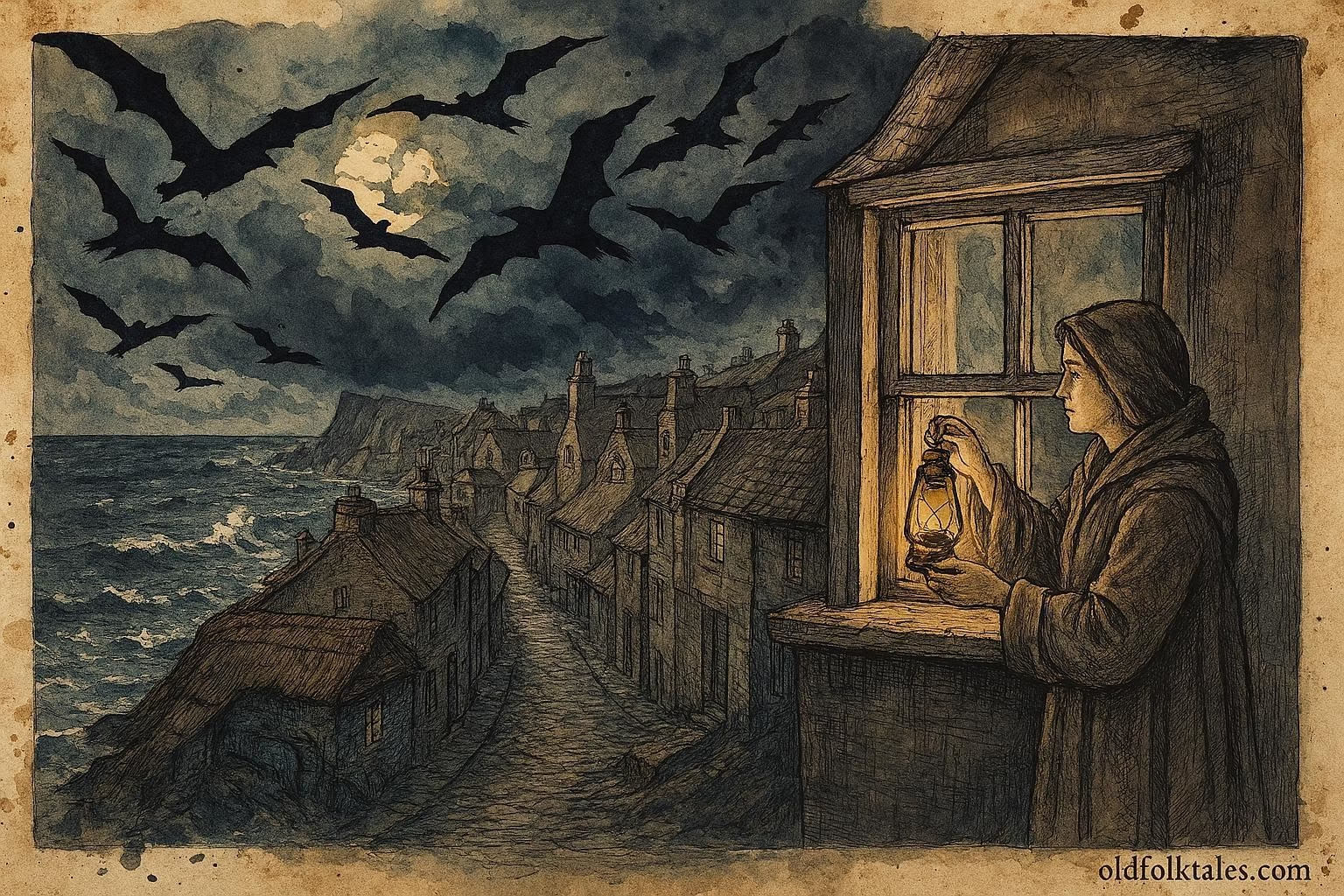
Across the windswept cliffs of Ireland and Scotland, where the Atlantic crashes against stone and mist rolls across the moors, the people once feared not the storm itself but the spirits carried within it. These were the Sluagh, the host of the unforgiven dead, forever riding the western winds.
Long ago, it was said that when the sun sank into the ocean and the sky darkened, the Sluagh would emerge from the unseen world. They appeared as a swirling flock of black shapes, like ravens made of shadow, their cries echoing with sorrow and anger. They were the souls of those who had been denied rest, the unbaptized and the wicked who had rejected the grace of heaven. Bound by their own sins, they roamed the air, searching for the spirits of the dying to drag them away before the angels could claim them.
In a coastal village of Connemara there lived a woman named Mairead, whose grandmother had taught her the old prayers and the ways of protecting the home from the western spirits. Every evening she closed the shutters on the west-facing windows, for it was from that direction that the Sluagh came. She would light a small lamp and whisper, “May the Holy Light guard us from the dark wind.”
Discover the gods, goddesses, and divine spirits who ruled the heavens and shaped human fate
One winter night, the sky turned black with cloud and the sea began to roar like a beast in pain. The villagers hurried indoors, fastening doors and windows. A storm was rising, but the elders warned that it was no ordinary gale. They said the wind had the sound of many voices and that the Sluagh were riding upon it.
Mairead’s neighbor, an old man named Padraig, lay dying in his bed. His breathing grew faint as the wind grew louder. His family gathered around him, praying for his soul’s safe passage. But outside, through the dark clouds, a great cry rose like the screech of unseen wings. The dogs howled, and every flame in the house flickered.
Mairead, hearing the commotion, took her lantern and went to help. She reached Padraig’s house and saw that one of the shutters had blown open. The west window gaped toward the storm. The air inside felt icy and thick, and Padraig’s daughter screamed that something had entered the room.
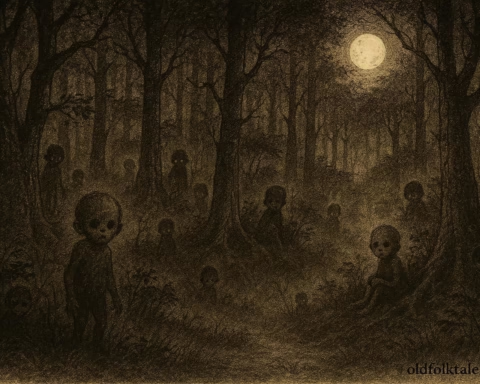
Through the window came a gust that swirled like smoke, and within it shapes moved faint outlines of human forms, twisted and black. They circled the dying man as if hungry for his last breath. Mairead shouted for the window to be closed, but the force of the wind was too strong.
Then she remembered her grandmother’s words. She held her lantern high and began to pray aloud. Her voice trembled, but she did not stop. “By the mercy of the Blessed Light, I command you to depart,” she cried. The lantern flame grew brighter, shining gold against the darkness. The shapes recoiled, hissing and shrieking like the cries of seabirds lost in a storm.
With a final gust, they fled through the window, vanishing into the black sky. The shutter slammed shut, and silence returned except for the rain upon the roof. When the family looked back, Padraig had passed away peacefully, a faint smile on his lips. His soul, they believed, had escaped the grasp of the Sluagh.
From that night onward, the villagers never forgot the lesson. Every home in the region kept its west windows sealed during times of illness or storm. Offerings of bread and milk were left at the crossroads on the eve of Samhain, the night when the boundary between worlds grew thin. Some believed that the Sluagh could be softened by kindness, while others thought mercy only angered them more.
Many years later, travelers told of hearing strange cries in the night sky as they crossed the moors. Some claimed to have seen a black host flying low over the heather, their wings whispering like a thousand sighs. Others said they were carried on sudden gusts of wind, invisible but felt a chill across the skin, a sense of being watched by unseen eyes.
The priests taught that prayer and faith were shields stronger than iron. But the old ones, those who remembered the ancient tongue, said that balance was needed. They believed the Sluagh were not wholly evil, but spirits trapped between worlds, unable to find rest because they were forgotten by both the living and the dead. To them, compassion was as powerful as protection.
And so, even today, in the western isles where the sea winds blow cold and the nights grow long, people still close their westward windows when someone lies near death. They still light candles and whisper blessings against the storm. For in every gust that rattles the door, they hear a faint echo of wings and remember that the Sluagh still ride the western wind, seeking the souls of those unguarded by prayer or love.
Author’s Note
The legend of the Sluagh reflects the Celtic understanding of spiritual boundaries and the moral weight of remembrance. These spirits represent souls denied rest, caught between worlds because of neglect or sin. The west wind, long associated with the setting sun and the passage of life, becomes the medium for their endless wandering. The story warns against spiritual forgetfulness and reminds us that even in death, care and prayer bind the living to the departed.
Knowledge Check
1. Who are the Sluagh in Celtic mythology?
They are the souls of the unbaptized and restless dead who travel on the western wind.
2. What direction must villagers avoid opening windows toward?
They must close all west-facing windows to prevent the Sluagh from entering.
3. Who helped protect Padraig’s soul from the Sluagh?
Mairead, his neighbor, who prayed and used her lantern’s light.
4. How did Mairead drive the spirits away?
By raising her lantern and praying for divine protection.
5. Why do people still close westward windows during illness?
To guard dying souls from being stolen by the Sluagh.
6. What moral lesson does the story teach?
That spiritual vigilance and remembrance protect both the living and the dead.
Source:
Adapted from “Scariest Monsters and Demons from Celtic Myth” in IrishCentral (2024).
Cultural Origin:
Gaelic Peoples, Ireland and Scotland