
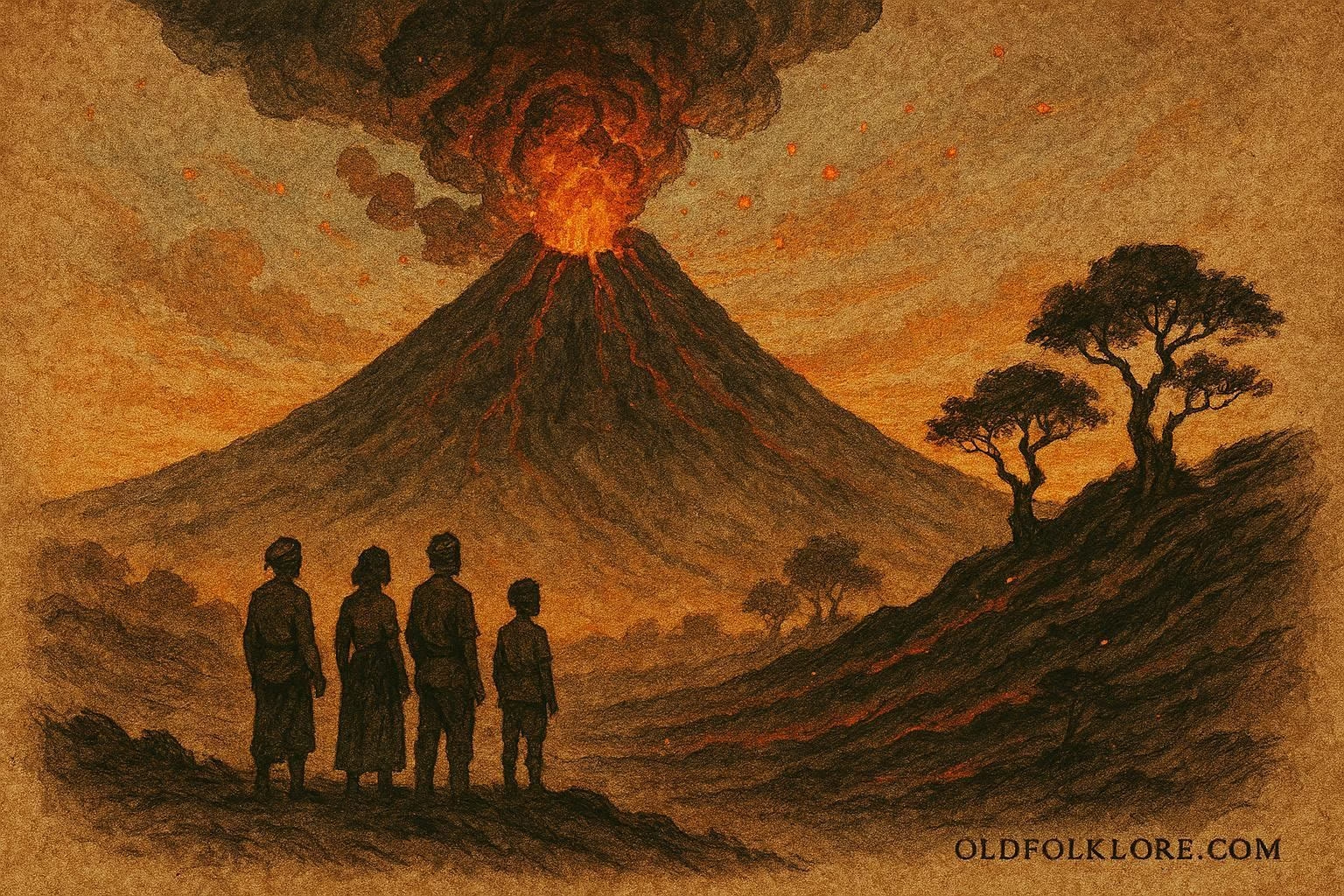
For generations, Javanese and Sumatran communities living in the shadow of volcanoes have shaped a worldview steeped in courage, patience, and inner resilience. Their proverbs often reflect these hard-won insights, for life near a mountain that breathes smoke and fire teaches that strength is not found in defiance of nature, but in learning to stand firm when the earth itself trembles. In these cultures, wisdom grows from attentiveness: watching the clouds around the crater, listening to the rumble beneath the soil, and understanding the delicate bond between humanity and the forces that govern life.
Moreover, the people believe that fear is not an enemy but a teacher. To live beside a volcano is to accept that danger is always present, yet life must continue. Rice must be planted, children taught, prayers offered, and communities strengthened. Therefore, courage is understood not as loud heroism but as quiet commitment, discipline, and readiness. Each proverb below reflects this ancient relationship between people and their mountains: fire, ash, loss, rebirth, and the unwavering human spirit.
Proverbs & Meanings
- “Gunung tak pernah lari dikejar.”: The mountain never runs when chased. (Face dangers directly; they won’t disappear.)
- “Di balik asap ada bara.”: Behind the smoke is a burning coal. (Every sign of trouble has a deeper cause.)
- “Berani karena benar, takut karena salah.”: Brave because right, fearful because wrong. (Courage grows from moral certainty.)
- “Jatuh tertimpa abu.”: Fallen and covered in ash. (Hard times sometimes bring more hardship.)
- “Badai pasti berlalu.”: Every storm must pass. (All suffering is temporary.)
- “Bersatu menahan lahar.”: United to withstand the lava. (Community strength overcomes disaster.)
- “Api kecil jadi kawan, api besar jadi lawan.”: Small fire is friend, big fire is foe. (Moderation protects; excess destroys.)
- “Di kaki gunung, nyali harus setinggi puncaknya.”: At the mountain’s foot, courage must reach its peak. (Face danger with equal strength.)
- “Langkah kecil selamatkan nyawa.”: A small step saves a life. (Even tiny acts of caution matter.)
- “Berlindung sebelum awan hitam datang.”: Seek shelter before dark clouds appear. (Prepare early for trouble.)
- “Gunung mengajar keteguhan.”: The mountain teaches firmness. (Nature shapes resilience.)
- “Asap naik, hati jangan turun.”: Smoke rises, but let your heart not sink. (Stay hopeful amid trouble.)
- “Berjalan di atas pasir panas perlu hati-hati.”: Walking on hot sand requires care. (Approach volatile situations cautiously.)
- “Orang sabar tahan gempa.”: A patient person withstands the quake. (Patience strengthens resilience.)
- “Kecil bara, besar nyala.”: Small embers become great flames. (Little problems can escalate.)
- “Berani melangkah walau bumi retak.”: Dare to walk though the earth cracks. (Courage continues despite danger.)
- “Lahar tak pilih jalan.”: Lava chooses no path. (Danger can strike anyone.)
- “Jika gunung batuk, desa bersiap.”: When the mountain coughs, the village prepares. (Stay ready when signs appear.)
- “Air mata bisa menyuburkan tanah.”: Tears can fertilize the soil. (Pain can lead to growth.)
- “Hidup di tepi jurang ajarkan keseimbangan.”: Life by a cliff teaches balance. (Difficult environments build discipline.)
- “Angin panas tak padamkan semangat.”: Hot winds don’t extinguish spirit. (Adversity cannot conquer determination.)
- “Setapak demi setapak naik ke puncak.”: Step by step, climb the peak. (Progress requires steady effort.)
- “Api besar bermula dari nyala kecil.”: Great fire starts from a small spark. (Beginnings matter.)
- “Berdiam diri saat gunung bersuara.”: Be still when the mountain speaks. (Know when to pause and observe.)
- “Di balik letusan ada kelahiran baru.”: Behind eruption is new birth. (Destruction often leads to renewal.)
- “Kaki kuat karena sering menanjak.”: Feet grow strong from constant climbing. (Challenges build strength.)
- “Bambu lentur tak patah diterjang angin.”: A flexible bamboo doesn’t break. (Adaptability ensures survival.)
- “Panasnya lahar tak surutkan tekad.”: Lava’s heat doesn’t melt determination. (Resolve withstands pressure.)
- “Pepohonan tumbuh dari abu.”: Trees grow from ash. (Life springs from hardship.)
- “Gunung yang tenang pun bisa meletus.”: Even a quiet mountain can erupt. (Danger can come unexpectedly.)
- “Yang tabah bertahan di tanah goyang.”: The steadfast survive shaking ground. (Resilience preserves life.)
- “Cahaya terlihat saat gelap.”: Light is seen in darkness. (Hope is clearest in trials.)
- “Jejak di pasir hilang, keberanian tidak.”: Footprints fade, courage remains. (Bravery leaves a lasting mark.)
- “Api adalah guru yang keras.”: Fire is a harsh teacher. (Painful lessons shape character.)
- “Walau awan pekat, langkah tetap jelas.”: Though clouds are thick, steps stay clear. (Focus guides through confusion.)
- “Angin membawa pasir, bukan ketakutan.”: The wind carries sand, not fear. (Fear is internal, not external.)
- “Yang kuat bukan yang berteriak, tapi yang bertahan.”: The strong are not loud but enduring. (True strength is silent resilience.)
- “Hidup dekat kawah, hati dekat doa.”: Living near a crater keeps the heart near prayer. (Danger deepens spirituality.)
- “Langkah berani tak menunggu aman.”: Courageous steps don’t wait for safety. (Bravery requires initiative.)
- “Keteguhan hati adalah rumah di tengah bahaya.”: Steadfastness is a home in danger. *(Inner strength protects.)
- “Sesudah gelap, terbit kembali terang.”: After darkness, light rises again. (Every hardship ends.)
- “Jangan panik melihat asap; lihat arah angin.”: Don’t panic seeing smoke; check the wind. (Assess before reacting.)
- “Batu besar pecah oleh tetesan kecil.”: A stone breaks by small drops. (Persistence wins.)
- “Suara gunung tanda bersiap.”: The mountain’s voice is a signal to prepare. (Heed warnings.)
- “Akar kuat meski tertutup abu.”: Roots stay strong though covered in ash. (Inner values remain.)
- “Tak ada tanah subur tanpa bekas letusan.”: No fertile land without eruptions. (Blessings come from struggle.)
- “Di mana panasnya bahaya, di situ ditempa keberanian.”: Where danger burns, courage is forged. (Trials develop bravery.)
- “Jangan lari sebelum mendengar arah gemuruh.”: Don’t run before knowing where the rumble comes from. (Think before reacting.)
- “Hidup di lereng adalah seni kewaspadaan.”: Life on a slope is the art of vigilance. (Awareness ensures safety.)
- “Yang bangkit dari abu lebih kuat dari sebelumnya.”: What rises from ash is stronger. *(Survival empowers.)
Author’s Note
These proverbs represent the lived experience of communities who have learned to coexist with both beauty and danger. Volcanoes destroy, yet they also renew. The people who remain near their slopes do so not out of recklessness, but out of deep connection, to land, ancestors, and faith. May these sayings remind us that courage is not the absence of fear, but the decision to keep moving even when the earth shakes beneath us.
Knowledge Check
- Q: What core lesson do volcanic communities teach about fear?
A: Fear is a teacher, not an enemy. - Q: Why do these proverbs often mention ash and fire?
A: They reflect real conditions faced near volcanoes. - Q: What does “bamboo that bends does not break” symbolize?
A: Adaptability creates strength. - Q: Why is preparation emphasized in many sayings?
A: Eruptions give signals; readiness saves lives. - Q: What forms the foundation of true courage in these traditions?
A: Patience, awareness, and moral clarity. - Q: What is one key cultural belief about destruction?
A: It often leads to renewal and fresh beginnings.






