In many parts of Asia, peace is not sought in the absence of noise but in the stillness of the heart. Cultures such as Japan, Bhutan, Laos, and Tibet have long cherished the wisdom of living simply, finding harmony in quiet moments, gratitude in little things, and balance in everyday life. Their proverbs remind us that true serenity flows not from wealth or comfort but from contentment, humility, and a mind free of excess desire.
Proverbs and Their Meanings
- “Better to live simply and sleep soundly than to be rich and worried.” (Chinese)
– Peace of mind is worth more than luxury and wealth. - “When you realize nothing is lacking, the whole world belongs to you.” (Lao)
– True contentment arises from recognizing abundance in simplicity. - “Sitting quietly, doing nothing, spring comes and the grass grows by itself.” (Japanese Zen)
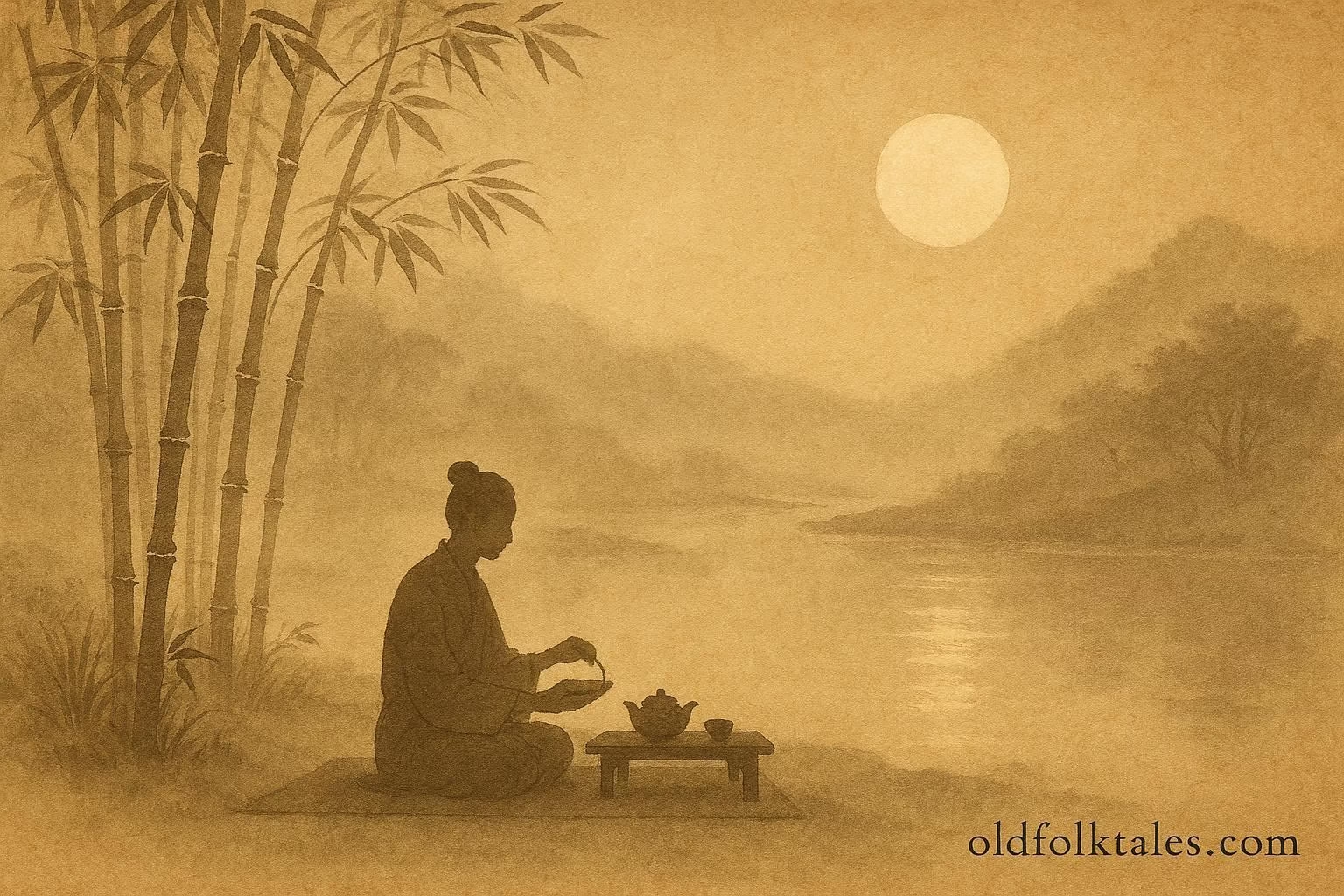
– Nature and life unfold beautifully without force; patience brings peace. - “The wise man drinks tea to still the storms within.” (Japanese)
– Calm rituals can center the mind and quiet inner chaos. - “The sky is vast, but the heart must be still to see it clearly.” (Tibetan)
– Inner stillness allows clear perception and spiritual depth. - “A house with love and rice is better than a palace of gold and grief.” (Laotian)
– Happiness is built on love and simplicity, not wealth. - “The quiet pond reflects the moon perfectly.” (Japanese)
– Only a peaceful mind can reflect truth without distortion. - “He who knows enough is rich.” (Bhutanese)
– Understanding contentment is the truest form of wealth. - “Walk as if you are kissing the earth with your feet.” (Vietnamese, Buddhist)
– Live gently and mindfully; peace begins with awareness of each step. - “A heart at rest sees beauty everywhere.” (Japanese)
– Inner calm allows one to appreciate the world deeply. - “Better to bend with the wind than break with pride.” (Japanese)
– Humility and flexibility bring peace and longevity. - “If your mind is pure, your path will be clear.” (Tibetan)
– Inner clarity determines outer direction. - “One candle can light a thousand others without losing its flame.” (Buddhist)
– Sharing kindness and peace multiplies them without loss. - “A calm mind is the sharpest blade.” (Japanese)
– Stillness enhances wisdom and decision-making. - “When the river is calm, it reflects the stars.” (Laotian)
– Peace allows truth and inspiration to be seen clearly. - “Even the tallest bamboo bows in the wind.” (Japanese)
– True strength lies in humility and grace under pressure. - “Clouds come and go, yet the mountain remains.” (Tibetan)
– Circumstances change, but inner peace endures. - “Drink your tea slowly and reverently, as if it is the axis of the world.” (Japanese Zen)
– Mindfulness turns simple acts into spiritual moments. - “Contentment is the best pillow.” (Bhutanese)
– Peaceful sleep belongs to the content heart. - “Even a single leaf can bring peace to the mind if you truly see it.” (Japanese)
– Small things can awaken great calmness when seen with awareness. - “The bird of peace nests only in a quiet heart.” (Tibetan)
– Serenity can only dwell in stillness. - “Happiness is not found in seeking more, but in wanting less.” (Laotian)
– Simplicity is the foundation of true joy. - “Where there is gratitude, there is peace.” (Bhutanese)
– Thankfulness transforms anxiety into contentment. - “A silent mind hears the voice of the divine.” (Tibetan)
– In stillness, one can connect with spiritual truth. - “The flower does not think of competing with the flower next to it; it just blooms.” (Japanese)
– Peace comes from embracing your own pace and path. - “Better a single day of peace than a year of conflict.” (Laotian)
– A moment of calm outweighs long periods of turmoil. - “Mountains do not hurry, yet they reach the sky.” (Tibetan)
– Patience and steadiness achieve the greatest heights. - “The road to happiness is paved with quiet thoughts.” (Bhutanese)
– Calm thinking leads to lasting contentment. - “He who chases two rabbits catches none.” (Japanese)
– Focus and simplicity yield better results than restless ambition. - “Do not let your tongue disturb the peace of your heart.” (Laotian)
– Silence preserves inner calm and prevents regret. - “The still mind is a mirror for the soul.” (Tibetan)
– Self-understanding comes through peace and quiet reflection. - “A single moment of patience can prevent a lifetime of sorrow.” (Japanese)
– Mindful restraint brings lasting harmony. - “When gratitude fills your bowl, even rice tastes like feast.” (Bhutanese)
– Gratitude transforms scarcity into abundance. - “Peace is not the absence of sound, but the absence of confusion.” (Japanese)
– True calm is mental clarity, not external silence. - “The wind of anger extinguishes the lamp of wisdom.” (Tibetan)
– Anger destroys peace and insight. - “A smile is the shortest path between hearts.” (Laotian)
– Simple kindness fosters harmony. - “Even the tea tastes better when shared.” (Japanese)
– Peace grows through connection and community. - “When the heart is light, every road feels short.” (Bhutanese)
– Inner peace makes life’s journey easier. - “The moon does not fight the darkness; it simply shines.” (Tibetan)
– Peaceful strength is gentle yet powerful. - “Contentment turns the poorest hut into a palace.” (Laotian)
– Joy is determined by attitude, not possessions. - “Peace grows where expectations shrink.” (Bhutanese)
– Letting go of excessive desires creates calmness. - “A gentle word is stronger than a loud shout.” (Japanese)
– Softness and restraint carry deeper influence than anger. - “The mountain is high, but the path is humble.” (Tibetan)
– Greatness is reached through small, simple steps. - “Happiness follows the grateful like a shadow.” (Laotian)
– Gratitude attracts peace and joy. - “A clear mind is the true morning.” (Japanese Zen)
– Internal clarity brings renewal and freshness. - “Those who rush miss the fragrance of the tea.” (Japanese)
– Mindfulness enriches life’s small pleasures. - “The heart becomes light when it stops carrying yesterday.” (Bhutanese)
– Peace is found by releasing past burdens. - “Silence is the language of the wise.” (Tibetan)
– Stillness reveals truths words cannot. - “When rice is shared, it tastes sweeter.” (Laotian)
– Generosity multiplies joy. - “A peaceful home begins with a peaceful heart.” (Japanese)
– Inner calm shapes the outer world. - “The lotus blooms from the mud, yet stays unstained.” (Buddhist, Tibetan)
– Purity and peace can exist even in difficulty. - “The less you carry, the further you travel.” (Laotian)
– Simplicity brings freedom. - “Kindness is a bridge that never collapses.” (Bhutanese)
– Gentle actions create lasting connections. - “The quietest people often understand the most.” (Japanese)
– Wisdom thrives in silence and observation. - “Sorrow melts in the warmth of gratitude.” (Tibetan)
– Gratefulness dissolves sadness. - “The bamboo that bends is stronger than the oak that breaks.” (Japanese)
– Flexibility is true resilience. - “A mindful step is worth more than a hurried mile.” (Laotian)
– Presence is more valuable than speed. - “Peace enters where ego leaves.” (Bhutanese)
– Humility opens the door to calmness. - “Do not chase the wind; let the breeze come to you.” (Japanese Zen)
– Patience brings what force cannot. - “The heart that knows enough never feels poor.” (Tibetan)
– Contentment fills every empty place. - “If you walk with anger, you walk alone.” (Laotian)
– Anger isolates; peace connects. - “The sound of water heals the restless mind.” (Japanese)
– Nature restores inner balance. - “A grateful child grows into a peaceful adult.” (Bhutanese)
– Gratitude learned early shapes lifelong calmness. - “Snow falls silently, yet transforms the world.” (Tibetan)
– Quiet actions bring great change. - “The empty cup is ready to be filled.” (Japanese Zen)
– Humility is the beginning of wisdom. - “Joy dwells in simple things.” (Laotian)
– Happiness thrives in everyday simplicity. - “A calm heart tames a chaotic world.” (Japanese)
– Peace within influences everything outside. - “The prayer of a peaceful man is already answered.” (Tibetan)
– Inner peace aligns the soul with blessings. - “Better a spoonful of contentment than a bowl of worry.” (Bhutanese)
– Small peace outweighs large anxiety. - “If your steps are gentle, you never lose your way.” (Japanese)
– Mindfulness guides life with clarity. - “Peace is the harvest of patience.” (Laotian)
– Waiting with grace brings serenity. - “The heart opens when the mouth closes.” (Tibetan)
– Silence allows understanding to grow. - “A simple life brings a clear mind.” (Japanese Zen)
– Minimizing clutter sharpens awareness. - “Gratitude is the incense of the spirit.” (Bhutanese)
– A thankful heart beautifies the soul. - “Do not stir the water if you seek your reflection.” (Japanese)
– Disturbance disrupts clarity. - “The happiest people count blessings, not coins.” (Laotian)
– Joy comes from gratitude, not wealth. - “Even the clouds rest upon the mountain.” (Tibetan)
– Rest is natural and necessary. - “Peace whispers; chaos shouts.” (Japanese)
– True calm speaks gently. - “The more you give away, the richer your heart becomes.” (Bhutanese)
– Generosity feeds inner abundance. - “A calm river reaches the ocean.” (Laotian)
– Steady peace leads to great fulfillment. - “Harmony is built one quiet moment at a time.” (Japanese)
– Peace grows gradually through small choices. - “The content mind is the true king.” (Tibetan)
– Inner satisfaction is ultimate power. - “If the heart smiles, the face cannot hide it.” (Laotian)
– Inner joy shines outward. - “The morning dew teaches humility.” (Japanese)
– Nature reminds us of gentle simplicity. - “He who forgives sleeps peacefully.” (Bhutanese)
– Forgiveness restores inner rest. - “The sky is calm though the stars are many.” (Tibetan)
– Peace can hold complexity. - “Small steps done mindfully become sacred.” (Japanese Zen)
– Awareness transforms routines into rituals. - “A bowl of rice shared brings twice the warmth.” (Laotian)
– Generosity multiplies comfort. - “Humility is the path to inner freedom.” (Bhutanese)
– Ego binds; humility liberates. - “Peace is the music of the heart.” (Japanese)
– Calmness creates inner harmony. - “The silent mountain teaches the loud world.” (Tibetan)
– Stillness offers deep wisdom. - “A simple garment warms the grateful.” (Laotian)
– Gratitude enriches even modest things. - “The tea ceremony begins with respect.” (Japanese)
– Peace is rooted in honoring others. - “Joy grows in the soil of simplicity.” (Bhutanese)
– Peace thrives where life is uncluttered. - “To understand the path, sit beside it.” (Japanese Zen)
– Observation and stillness reveal direction. - “A peaceful heart needs no audience.” (Tibetan)
– True serenity is inward, not performed. - “Where water flows gently, life flourishes.” (Laotian)
– Peace nurtures growth. - “Those who listen to silence learn the deepest truths.” (Japanese)
– Quietness teaches profoundly. - “Contentment is the companion of wisdom.” (Bhutanese)
– Wise living embraces “enough.” - “If you understand impermanence, you understand peace.” (Tibetan)
– Accepting change brings calm. - “One peaceful thought can calm a room.” (Japanese)
– Serenity radiates outward. - “The grateful heart never ages.” (Laotian)
– Gratitude keeps the spirit young. - “Peace grows where comparison dies.” (Japanese Zen)
– Envy destroys calmness; acceptance restores it. - “The softest rain nurtures the strongest roots.” (Bhutanese)
– Gentle influences create deep stability. - “Stillness is the greatest teacher.” (Tibetan)
– Quiet reveals clarity. - “The mindful cook seasons with love.” (Japanese)
– Intention shapes every action. - “A little tea, a little quiet—enough for happiness.” (Laotian)
– Simple pleasures are sufficient for joy. - “The humble are closest to peace.” (Bhutanese)
– Humility creates inner harmony. - “Walk quietly and the world becomes soft.” (Japanese)
– Gentle living softens life’s harshness. - “The calm heart is never poor.” (Tibetan)
– Peace is true wealth. - “The sun rises slowly but lights all.” (Laotian)
– Slow progress brings wide blessings. - “Where tea is shared, friendship blossoms.” (Japanese)
– Hospitality creates harmony. - “Simplicity is the fragrance of wisdom.” (Bhutanese)
– Wisdom expresses itself through humble living. - “A whisper of peace is stronger than a shout of anger.” (Tibetan)
– Calmness has deeper power than rage. - “The quiet heart understands what the noisy mind cannot.” (Japanese)
– Peace gives clarity that distraction steals. - “Gratitude is the mother of joy.” (Laotian)
– Joy grows from a thankful spirit. - “Where there is humility, storms pass gently.” (Bhutanese)
– Humility reduces conflict. - “The moon teaches us to shine without noise.” (Japanese)
– True beauty is gentle and quiet. - “A peaceful life is built on mindful breaths.” (Tibetan)
– Awareness of the present moment anchors serenity. - “Simplicity is the key that unlocks contentment.” (Laotian)
– Letting go of excess creates abundant peace.
Author’s Note
The wisdom of Asia teaches that serenity is not something to be found, it is something to be remembered. In a world that rushes endlessly toward “more,” these proverbs whisper reminders of “enough.” Whether through a cup of tea, a quiet dawn, or the humility of silence, peace invites us to live gently with ourselves and with the world. The simplest life, lived in gratitude, is often the richest of all.
Knowledge Check
- According to Bhutanese wisdom, what is the best pillow?
– Contentment. - What does the Japanese proverb about the quiet pond teach?
– Peace allows for clear reflection and understanding. - What does it mean that “mountains do not hurry, yet they reach the sky”?
– Patience and steadiness bring great results. - How can mindfulness turn ordinary acts into spiritual moments?
– By being fully present and appreciative, as in the tea ceremony. - What lesson does the Laotian proverb about gratitude and rice teach?
– Gratitude transforms little into abundance.
- Why does Tibetan wisdom value a still mind?
– Because stillness reveals truth and nurtures inner peace.
Origin: Asian Proverbs on Inner Peace and Simplicity