Thaipusam is one of the most striking Tamil Hindu festivals, visually and spiritually powerful, celebrated in honor of Lord Murugan (also known as Kartikeya), the divine commander of celestial armies. The festival commemorates Murugan’s victory over the demon Soorapadman, symbolizing the triumph of good over evil. Observed primarily in the Tamil month of Thai (January–February), Thaipusam manifests in both devotional and ascetic practices.
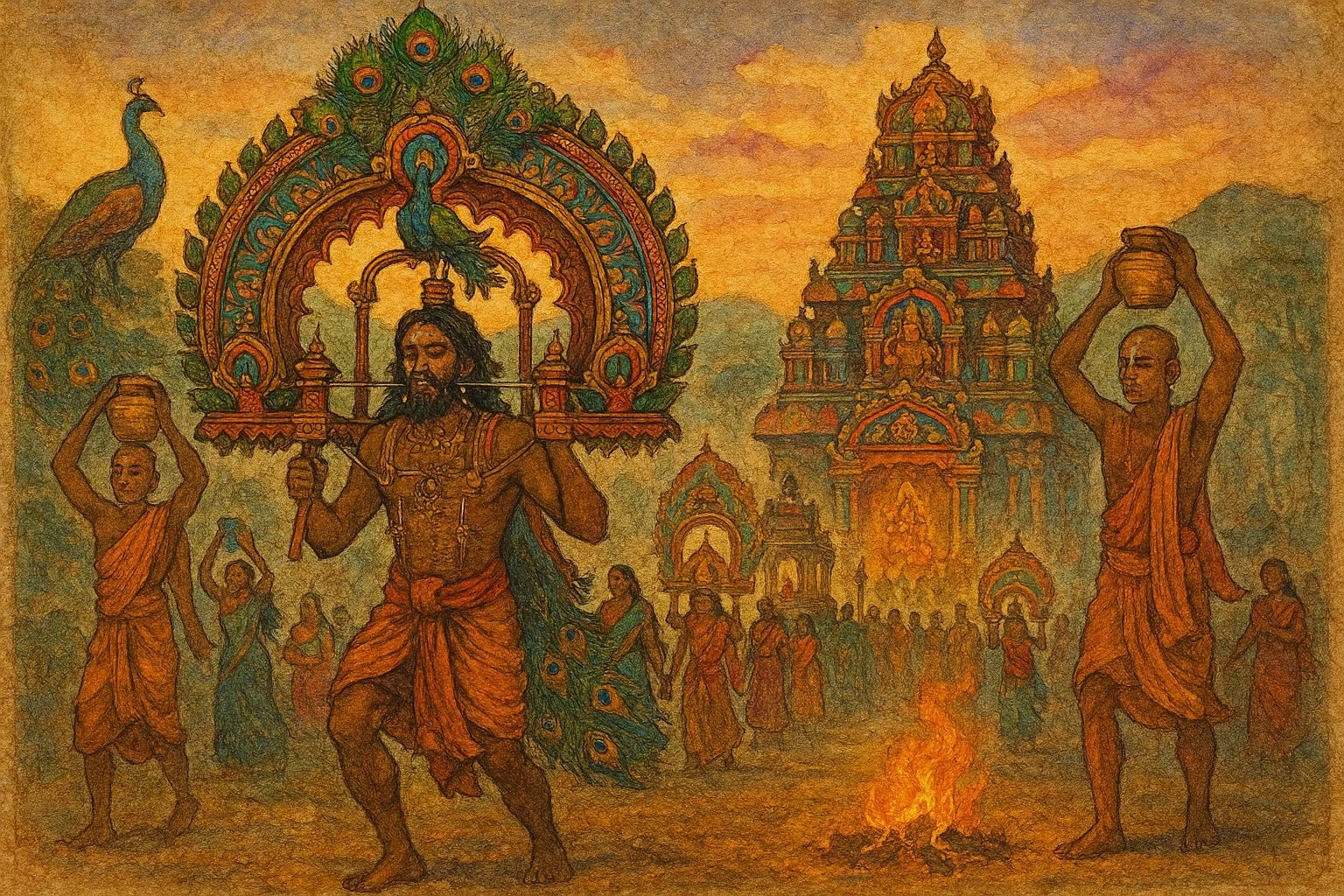
Devotees express gratitude, fulfill vows, and seek divine favor through acts of penance. The most visually dramatic acts involve piercing the skin, tongue, or cheeks with small hooks, skewers, and vel (sacred spears), carrying milk pots (paal kudam) as offerings, or transporting ornate ceremonial structures called kavadi. These processions can span several kilometers, culminating at Murugan temples, where offerings are presented, prayers chanted, and rituals completed with ceremonial cleansing.
Pilgrimage is central to Thaipusam. The Batu Caves in Malaysia, a limestone hill with a series of cave temples, is the most famous site, attracting tens of thousands of devotees each year. Participants climb the 272 steps to the cave temple while performing penances, often singing hymns or reciting Murugan’s sacred chants, creating a collective spiritual energy.
Mythic Connection
The festival draws directly from Tamil Hindu myth. Murugan, the son of Shiva and Parvati, wields the vel, a divine spear given by his mother, to defeat the asura (demon) Soorapadman. This victory symbolizes the destruction of ignorance, ego, and negative forces in the human soul. Each act of sacrifice or endurance undertaken by devotees is a miniature enactment of this cosmic struggle: by enduring pain, offering devotion, and maintaining discipline, worshippers symbolically participate in Murugan’s triumph.
Milk offerings (paal kudam) serve both a devotional and purificatory purpose, representing spiritual nourishment, surrender to the divine, and the promise of inner cleansing. Carrying kavadi, decorated frameworks often adorned with peacock feathers, bells, and images of Murugan, is understood as bearing one’s karmic burdens, which are symbolically offered to the deity for transformation and divine blessing.
The piercing rituals are not mere spectacle; they are deeply symbolic acts of self-mastery and surrender. They demonstrate devotion, the willingness to endure suffering for spiritual merit, and the alignment of the physical body with divine will. This connection between bodily endurance and spiritual purification reflects the broader Hindu understanding of dharma, karma, and moksha (liberation).
Ritual Practice
Preparation for Thaipusam often begins days or weeks before the festival. Devotees observe fasting, prayer, and celibacy to purify the mind and body. Before undertaking the kavadi or body piercing rituals, many perform vratas, periods of ascetic discipline to strengthen their resolve.
During the festival, devotees travel in processions toward Murugan temples, chanting devotional songs and reciting sacred mantras. The kavadi bearers move rhythmically, balancing elaborate structures on their shoulders, while others carry milk pots or piercings, often guided by senior devotees or priests to ensure ritual safety. Temple rituals include offering flowers, fruits, and milk, accompanied by ceremonial drumming and chanting to invoke Murugan’s blessings.
In Malaysia, Singapore, and parts of Sri Lanka, entire communities participate, reinforcing social bonds and Tamil identity in diaspora contexts. The festival also integrates elements of communal solidarity and charity, as devotees often distribute food, water, or alms to pilgrims and visitors.
Author’s Note
Thaipusam exemplifies the intricate interplay between myth, ritual, and community in Tamil Hindu culture. Beyond its spectacular physical manifestations, it embodies moral and spiritual principles: sacrifice, endurance, devotion, and purification. The festival is a living expression of a mythic narrative, connecting ordinary devotees to divine history while reinforcing cultural identity, social cohesion, and spiritual aspiration. Observing Thaipusam reveals the profound ways in which ritual acts, through body, speech, and mind, serve as a conduit between human and divine realms.
Knowledge Check
Q1: Which deity is celebrated during Thaipusam?
A1: Lord Murugan (Kartikeya), the god of war and divine victory.
Q2: What mythological event does Thaipusam commemorate?
A2: Murugan’s victory over the demon Soorapadman.
Q3: What are the main acts of devotion during Thaipusam?
A3: Body piercing, carrying milk pots (paal kudam), and transporting kavadi in processions.
Q4: What is the symbolic significance of carrying a kavadi?
A4: It represents bearing one’s karmic burdens and offering them to the deity for transformation.
Q5: Which site is the most famous pilgrimage center for Thaipusam in Malaysia?
A5: Batu Caves, near Kuala Lumpur.
Q6: How does Thaipusam express spiritual purification?
A6: Through fasting, celibacy, physical endurance, and offerings, symbolically aligning devotees with divine will.