
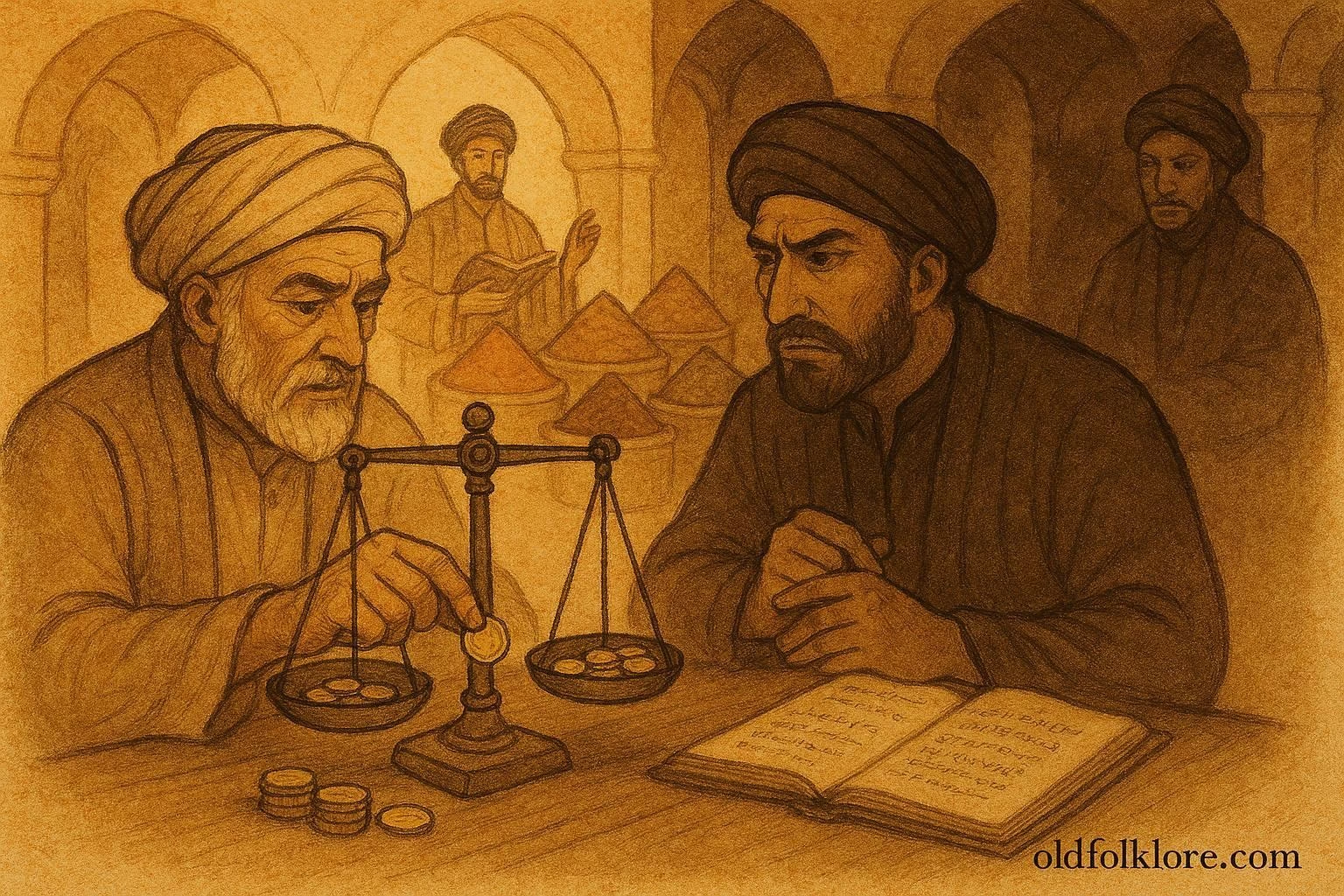
In the bustling bazaars of Iran, where the scent of spices mingles with the sound of haggling voices, wisdom is as valuable as silver or silk. Iranian merchants have long observed that success in trade requires more than cleverness, it demands discernment, patience, and a keen understanding of human nature. Proverbs arising from this culture encapsulate lessons learned over centuries: the marketplace knows every secret, observes every misstep, and rewards the cautious while punishing the reckless.
Beyond commerce, these sayings extend into broader social interaction. In bazaars, trust is currency, but it must be earned carefully; reputation is fragile and once lost, difficult to regain. An experienced merchant navigates negotiations with a mix of subtlety, insight, and timing, understanding that appearances can be deceiving and that every word carries weight. The bazaar is thus a mirror of life itself, reflecting the intricate interplay between personal conduct and social consequence.
These proverbs teach that prudence, tact, and patience are the hallmarks of wisdom. Whether dealing with goods, promises, or alliances, one must constantly measure the balance between opportunity and risk. Through the lens of trade, Iranian culture conveys universal truths: the observant succeed, the impulsive falter, and the perceptive know that every interaction leaves a lasting mark.
Proverbs List
- The bazaar knows all.
(Secrets rarely stay hidden in public spaces.) - A merchant’s eye weighs more than his tongue.
(Observation is more important than speech.) - He who haggles without patience pays more.
(Rushing negotiations leads to loss.) - The scale that wavers cheats itself first.
(Dishonesty undermines the deceiver.) - Words are lighter than coins, but cost just as much.
(Careless promises can be costly.) - A careful buyer never regrets.
(Prudence prevents loss.) - Gold speaks louder than flattery.
(Value trumps empty praise.) - The empty basket makes no sound.
(Those without substance cannot influence.) - Trust slowly, check quickly.
(Caution in relationships ensures safety.) - A hasty bargain is often bitter.
(Quick deals usually bring regret.) - The merchant who listens, earns twice.
(Attentive observation brings advantage.) - Money is patient; the fool is not.
(Patience preserves wealth.) - A sharp eye sees the hidden flaw.
(Perception prevents deception.) - Even a friendly shop hides danger.
(Appearances can be misleading.) - The wise seller shows less than he owns.
(Discretion preserves advantage.) - Coins speak the truth the tongue hides.
(Actions reveal intentions more than words.) - The idle customer loses the bargain.
(Opportunities favor the proactive.) - A silver tongue cannot fill an empty purse.
(Flattery cannot replace substance.) - Count every coin, trust every word.
(Balance caution with honesty.) - The old market smells better than the new.
(Experience outshines novelty.) - A cautious hand secures the treasure.
(Care protects valuables.) - A haggler without knowledge pays twice.
(Ignorance is costly.) - The shop that whispers is often empty.
(Hidden truths hint at lack.) - One careless word can sour the deal.
(Speech has consequences in negotiation.) - Coins vanish, but reputation endures.
(Character outlasts material wealth.) - Even gold hides scratches.
(Appearances can be deceptive.) - The buyer who smiles pays less.
(Patience and tact yield better bargains.) - He who measures twice, cuts once.
(Preparation prevents loss.) - A merchant’s promise is like a sealed jar; break it at your peril.
(Integrity is critical.) - The crowded market reveals the quietest truths.
(Observation uncovers hidden realities.) - A clever seller sees before the eye.
(Insight precedes success.) - The hand that gives counts more than the mouth that asks.
(Generosity carries influence.) - Coins carried in haste are often lost.
(Rushing leads to mistakes.) - A customer who listens learns more than the clerk.
(Attentiveness reveals knowledge.) - The bargain that pleases both lasts longer.
(Mutual benefit ensures stability.) - A merchant without caution sells his own coat.
(Carelessness leads to loss.) - The tongue that brags often empties the purse.
(Pride leads to expense.) - Trust is earned in small coins, lost in gold.
(Trust is fragile.) - The shop without a ledger loses twice.
(Record-keeping preserves wealth.) - Even a small purse deserves careful hands.
(Respect value regardless of size.) - A greedy hand spoils the bargain.
(Excess desire ruins negotiations.) - The market is patient, but the fool is impatient.
(Patience favors the wise.) - A suspicious eye sees what the tongue misses.
(Caution reveals deception.) - He who gives too quickly sells too cheaply.
(Haste in generosity harms self-interest.) - The merchant who trusts the crowd often loses.
(Independent judgment is crucial.) - Coins do not lie; buyers sometimes do.
(Material facts reveal truth more reliably than words.) - A light purse must weigh words carefully.
(Those with less must be cautious.) - The wise man haggles without anger.
(Patience preserves peace and profit.) - The marketplace repeats the story of every deceit.
(Reputation spreads fast.) - One missed measure costs many coins.
(Minor mistakes can have major consequences.) - Even the richest buyer envies prudence.
(Wisdom surpasses wealth.) - The lamp in the bazaar sees all shadows.
(Scrutiny uncovers hidden truths.) - A merchant who listens twice profits once.
(Attentive observation benefits negotiation.) - The silver coin glimmers, the truth shines.
(Truth has lasting value.) - One false weight ruins the market.
(Dishonesty disrupts systems.) - The careful buyer weighs the unseen.
(Anticipate hidden factors.) - Words without gold are empty vessels.
(Action outweighs speech.) - The market remembers kindness as it remembers lies.
(Reputation follows behavior.) - The greedy merchant multiplies debt, not wealth.
(Excessive desire backfires.) - Coins speak slowly, but truth speaks finally.
(Long-term outcomes reveal reality.) - A cautious tongue saves a merchant’s purse.
(Careful speech prevents loss.) - Even the cleverest merchant cannot sell water in the desert.
(Timing and context matter.) - A bargain made in haste is a debt for later.
(Rushed deals often lead to regret.) - The marketplace does not forgive oversight.
(Negligence has consequences.) - A merchant who fears nothing loses everything.
(Recklessness is dangerous.) - Small coins build great fortunes.
(Incremental gains accumulate.) - Trust is like a teapot; once cracked, it leaks.
(Integrity is fragile.) - The buyer who smiles can lower the price.
(Attitude influences negotiation.) - The market teaches lessons that no school can.
(Experience is the best teacher.) - Even an empty basket is heavy when pride is packed inside.
(Ego burdens more than possessions.) - Coins saved quietly are coins earned wisely.
(Discretion protects wealth.) - A false word travels faster than a truthful coin.
(Gossip spreads rapidly.) - The marketplace punishes the inattentive.
(Carelessness brings loss.) - Every weight must be tested, every word must be measured.
(Verification is key.) - A merchant who knows people knows profit.
(Insight into character aids success.) - Coins that shine can hide scratches.
(Appearances can deceive.) - The cautious buyer never buys twice.
(Care prevents repeated mistakes.) - The hands that give slowly last longer.
(Measured generosity sustains wealth.) - He who shows all his coins invites thieves.
(Excessive openness is dangerous.) - Patience weighs heavier than gold.
(Endurance is invaluable.) - The marketplace whispers secrets to those who listen.
(Observation yields insight.) - One false coin spoils many honest ones.
(Dishonesty spreads harm.) - The buyer who questions twice avoids loss.
(Diligence prevents mistakes.) - Coins left in the purse multiply slowly but surely.
(Patience accumulates wealth.) - A generous heart gains more than a full pocket.
(Kindness yields long-term benefit.) - The merchant who fears the crowd loses courage.
(Confidence is essential.) - Words may pass, but coins remain.
(Material reality endures beyond speech.) - The cautious merchant measures twice, earns once.
(Planning prevents loss.) - A dishonest trader spends twice: once in shame, once in loss.
(Dishonesty is self-punishing.) - Every gesture in the bazaar has a cost.
(Actions have consequences.) - The clever buyer sees the hidden corners.
(Insight uncovers opportunity.) - Coins that slip quietly often escape notice.
(Small losses accumulate if ignored.) - Even the wisest seller loses to greed.
(Excess desire corrupts judgment.) - A patient buyer tests the waters before diving.
(Caution ensures benefit.) - Words weigh less than coins, but a misstep weighs more than loss.
(Reputation matters.) - The old merchant’s advice costs nothing, but saves much.
(Experience is invaluable.) - The bazaar’s eyes never sleep.
(Community remembers behavior.) - Small mistakes echo louder than large coins.
(Errors are noticed more than minor gains.) - A clever tongue can sell salt in the desert, but truth sells everywhere.
(Honesty is universally valued.) - The marketplace closes, but lessons last forever.
(Experience outlives the day-to-day dealings.)
Author’s Note
The Iranian bazaar teaches that wisdom in trade is inseparable from wisdom in life. Negotiation is not just about profit, but about patience, perception, and character. Through these proverbs, one learns that caution, integrity, and awareness are as important as wealth itself. Just as merchants navigate crowded lanes and bargaining tables, so too must we navigate relationships and society, ever mindful that every action leaves a trace.
Knowledge Check
- Q: What does the proverb “The bazaar knows all” primarily signify?
A: Secrets rarely remain hidden; reputation matters. - Q: Why is patience considered crucial in Iranian merchant wisdom?
A: Because rushed decisions often lead to loss. - Q: What does a “dim lamp” symbolize in bazaar-related proverbs?
A: Lack of clarity or poor judgment. - Q: How does trust function in these sayings?
A: It is fragile and must be earned carefully. - Q: What is the overarching theme of these proverbs?
A: Trade, caution, and careful social interaction. - Q: Why are observation and listening valued more than speech?
A: Because insight and perception reveal hidden truths.






