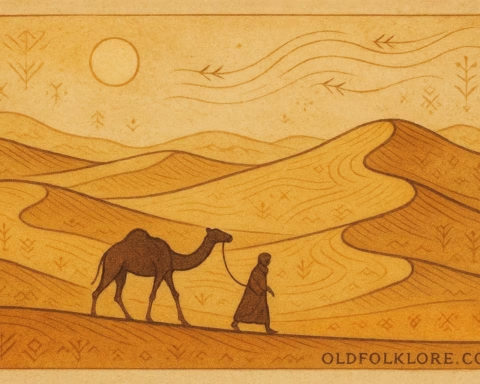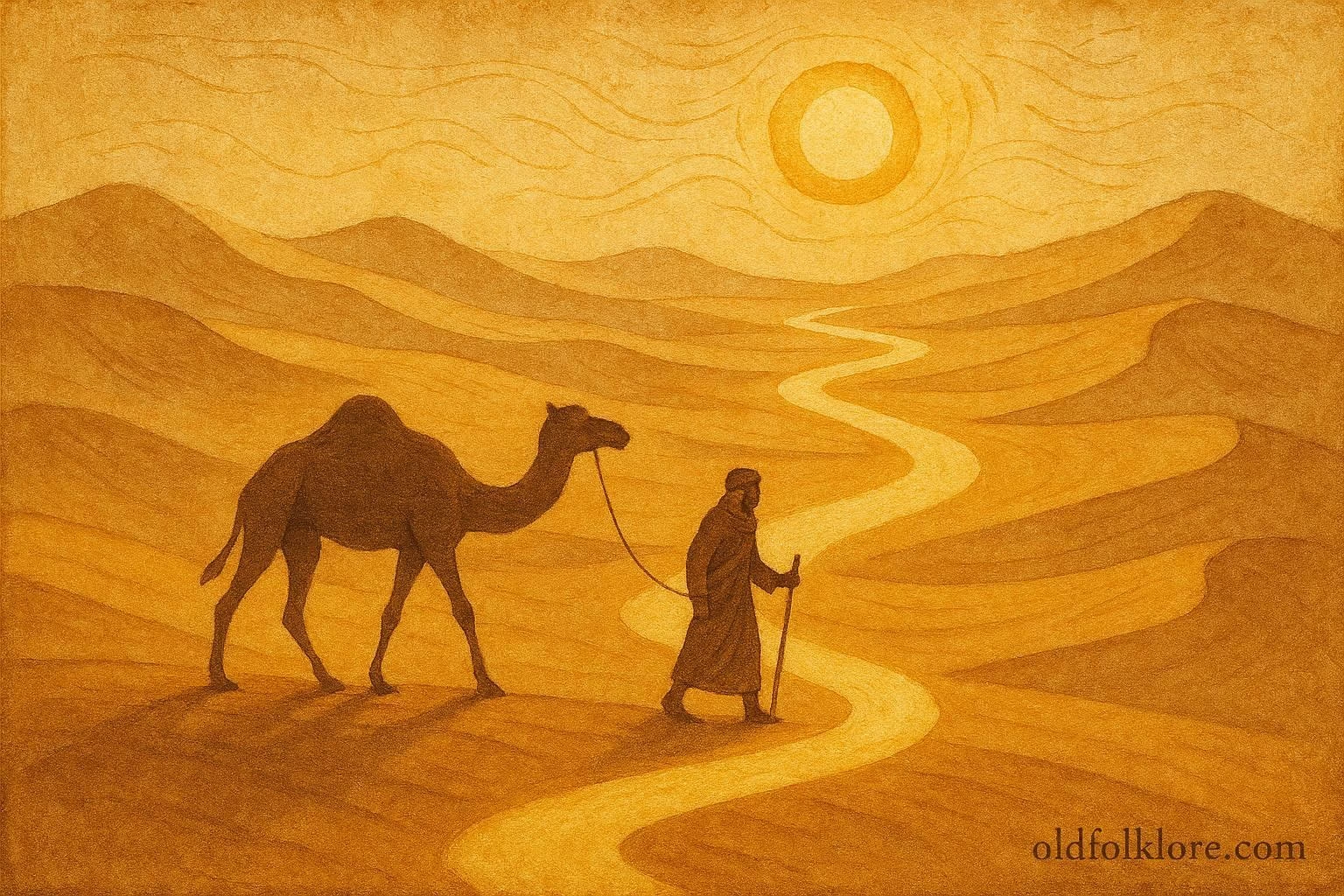
Among Somali nomads, wisdom has always been shaped by the vast openness of the land: the desert plains, the restless winds, and the shifting horizons. Their proverbs carry this wisdom forward, for in a world where every choice mattered, guidance became a sacred responsibility. Just as a camel remembers old paths and hidden wells, a true leader is expected to know the way, through drought, through uncertainty, through conflict. Leadership is not dominance, but service; not command, but stewardship.
Somali xeer, the complex system of customary law practiced for centuries, is built on shared responsibility, consultation, and mutual protection. No decision is made in isolation; every action must honor the clan, preserve peace, and safeguard vulnerable lives. In Somali thought, a community is only as strong as the wisdom of its leaders and the unity of its people. The following proverbs capture that worldview: that guidance is a path walked together, leadership is earned, and harmony is the true wealth of any clan.
Proverbs with Meanings
1. “Geel walba waddadiis buu yaqaan.”
Meaning: Every camel knows its familiar path; experience guides wisdom.
2. “Hoggaan la’aan waa hoog.”
Meaning: Without leadership, a community collapses.
3. “Nin aan talo lahayn, tu ka daran baa timaadda.”
Meaning: Ignoring advice brings worse problems.
4. “Labadiina isma horkacdaan haddii hal libiqsanaysa.”
Meaning: Hesitation from one person can stall everyone.
5. “Geel la’aan geed ma hadhsado.”
Meaning: Without support, even comfort is lost; leaders sustain communities.
6. “Hoggaamiye aan caddaalad lahayn waa ceel aan biyo lahayn.”
Meaning: A leader without justice is as useless as a dry well.
7. “Dadkaaga horta in la garto ayaa la ogaadaa.”
Meaning: A leader is known by how he treats his people.
8. “Aar qadhaadh ayaa faras dhalaa.”
Meaning: Firm guidance can raise strong successors.
9. “Inta aanad orod bilaabin, waddada la eeg.”
Meaning: Wise leadership begins with planning.
10. “Nin aan dadkiisa hoggaamin, dad kale ma hoggaamiyo.”
Meaning: One who cannot lead at home cannot lead elsewhere.
11. “Samo ku soco oo samir ku gaadh.”
Meaning: Goodness and patience complete any journey.
12. “Geeljire aan geeliisu maqashan, dad ma maqlaan.”
Meaning: Without competence, authority means nothing.
13. “Nin xil qaaday eex ma qaado.”
Meaning: True responsibility demands impartiality.
14. “Haddii geel socdo, qorraxdu ma baqato.”
Meaning: Progress overcomes hardship.
15. “Xeerku waa la wada leeyahay.”
Meaning: Justice belongs to the whole community.
16. “Nin talinaya iyo nin la taliyo midna ha isku hallayn.”
Meaning: Leaders and followers must support each other.
17. “Awr aanad lahayn ma kaxaysan kartid.”
Meaning: You cannot lead where you have no authority.
18. “Cid walba calafkeeda waa leh, laakiin cid walba talo isku mid ma aha.”
Meaning: People have different destinies and different wisdoms.
19. “Fardo la isku halleeyo ayaa lagu hafaa.”
Meaning: Too many leaders cause disorder.
20. “Halgankii hore hal baa looga tegay.”
Meaning: Every struggle leaves behind wisdom.
21. “Qof walba wuxuu ku wanaagsan yahay hoggaankiisa.”
Meaning: People lead best in their areas of expertise.
22. “Nin caddaalad falay, cadowgiisu wuu yaraadaa.”
Meaning: Fair leaders make few enemies.
23. “Waddo qumman ayaa qudha ka dhaxaysa hoggaanka iyo kalsoonida.”
Meaning: Integrity forms the bridge between leadership and trust.
24. “Awr kacay kama aarmo.”
Meaning: Decisive action should not be reversed lightly.
25. “Nin aan duul la socon duul ma hoggaamiyo.”
Meaning: A good leader walks with the people.
26. “Midnimo waa xoog.”
Meaning: Unity gives strength.
27. “Biyo sacab ku qabasho laguma hogaamiyo.”
Meaning: Leadership requires structure, not improvisation.
28. “Nin talo qaldan wuu ku hoggaamiyaa, nin qalbi fiican wuu ku badbaadiyaa.”
Meaning: A bad advisor misleads; a good leader saves.
29. “Hadal xun hoggaan ma noqdo.”
Meaning: Respectful speech earns leadership.
30. “Mar haddii awrku socdo, cidna ma harayso.”
Meaning: Proper leadership moves everyone forward.
31. “Samo waa hoggaamiye aan daal lahayn.”
Goodness guides without tiring.
32. “Awrka hore ayaa awrka dambe hogga.”
The lead camel sets the pace for the rest.
33. “Hoggaan aan talo lahayn waa awr madaw.”
A leader without wisdom is a blind camel.
34. “Nin tuur leh talo waa la weyddiiyaa.”
One with a burden or experience deserves consultation.
35. “Geesi ma aha mid kali socdo.”
A lone hero is no hero; strength is communal.
36. “Nin weyn waa nin la taliyo.”
A great man is one who listens to advice.
37. “Awr meel fog kaaga muuqda waa kii waddada yaqaan.”
A camel visible from afar knows the path well; good leaders stand out early.
38. “Qof aan dad la joogin ma noqdo hoggaamiye.”
Leadership grows from community presence.
39. “Ka fakar kahor intaadan fariisin.”
Think before you settle on a decision.
40. “Awr gaajo qaba ma hoggaamiyo reero.”
A leader struggling internally cannot guide others.
41. “Awr dardaaran qaata waa mid aan lumayn.”
A camel that accepts guidance won’t be lost—followers must heed wisdom.
42. “Qof walba tiisa ayuu ku taliyaa.”
Everyone advises according to their character.
43. “Suldaan xaq darro wata waa dabeyl rogmata.”
A ruler with injustice is like a shifting wind—unreliable.
44. “Nin run sheegaya ayaa hoggaan noqda.”
Honesty makes leadership.
45. “Hawd aan hoggaan lahayn ayaa halis badan.”
A wilderness without guidance is dangerous.
46. “Awr aan la eryin ma ordo.”
Without direction, no one advances.
47. “Nin tala badan waa nin dad badani ku tiirsan yihiin.”
A man with much wisdom supports many.
48. “Awrka dilaaca dab yar baa shiday.”
Small mistakes can break great responsibility.
49. “Talo wadaag waa toosaan.”
Shared counsel straightens the path.
50. “Hoggaan wanaagsan waa hooy wadajir.”
Good leadership is a home of unity.
51. “Awr la raaco waa la kormeeyaa.”
Leaders must be observed, not followed blindly.
52. “Nin aan u tudhin dadka ma tixgeliyo xeerka.”
One with no compassion cannot uphold the law.
53. “Awr sabool ah ma hoggaansho.”
Those who lack resources struggle to lead.
54. “Nin leh il dheer ayaa dadka horkaca.”
The one with deep insight leads others.
55. “Geelu wuxuu jecel yahay mid madax adag.”
Camels prefer firm handlers, people respect firm but fair leadership.
56. “Talo adag waa sidii awr dhallin badan.”
A difficult plan is like a restless camel.
57. “Awr isku qabsaday waa la kala qabsadaa.”
Conflicting leaders must be resolved for unity.
58. “Qof waddo khaldan ku socda waa in la joojiyaa.”
Leaders must stop harmful directions.
59. “Hoggaamiye xasilloon ayaa duul xasilloon dhalay.”
A calm leader creates a calm community.
60. “Awr ooman waa la hoggaamiyaa, nin xanaaqsan lama hoggaamiyo.”
A thirsty camel follows; an angry person does not—emotion blocks leadership.
61. “Awr xun awr fiican ayuu ka lumshaa.”
One bad member can mislead many.
62. “Nin ku hogaamiya wanaag, kuuma hoggaamiyo baabba’.”
A good leader never leads to destruction.
63. “Awr sabir badan meel fog buu gaaraa.”
Patience leads to long-term success.
64. “Nin xil qaadaya waa nin xeer ilaaliya.”
Responsibility demands respect for law.
65. “Awr hoggaansan waa mid lagu kalsoonaan karo.”
A disciplined camel symbolizes trustworthy leadership.
66. “Nin aan talo qaadan ma noqdo hoggaamiye.”
You cannot lead if you refuse advice.
67. “Awr go’an cidna ma kaxayso.”
A stubborn camel leads no one, stubborn leaders isolate themselves.
68. “Nin dadka ka dheer ma aha mid dadka ka sarreeya.”
Height does not equal superiority, leadership is by character.
69. “Awr adhaxda ka jaban ma qaado culays.”
A weak leader collapses under pressure.
70. “Talo fiican waa sida hadh gelisa.”
Good advice provides comfort.
71. “Awr meel fiican loo wado waa mid deggan.”
Clear purpose calms followers.
72. “Nin dadkiisa u roon, dadku u hoggaansho.”
People obey those who treat them well.
73. “Geel horay loo wado ma dido.”
Properly guided groups do not scatter.
74. “Awrka gurigiisa yaqaan ayaa habeen madoow la hoga.”
Knowledgeable leaders guide even in darkness.
75. “Nin xumo wataa xoolo ma hoggaamiyo.”
A corrupt person mismanages wealth and people.
76. “Awr aan habeen socon ma noqdo awr hoggaamiya.”
Experience comes from facing hardship.
77. “Nin dabacsan dad baa ka daba kacda.”
Flexible leaders keep followers.
78. “Awr lagu degdegay waa la lumaa.”
Rushed decisions mislead communities.
79. “Hoggaan fiican waa hadal yar.”
Good leaders speak less and act more.
80. “Nin danta guud garta ayaa sharafta leh.”
Those who seek the common good earn honor.
81. “Awrka wanaagsan wuxuu leeyahay socod deggan.”
Steady action is a sign of good leadership.
82. “Nin guul doon ah waa nin talo doon ah.”
Success seekers must seek counsel.
83. “Awr la isku halleeyay lama daayo.”
Trusted leaders are not abandoned.
84. “Nin xeer jebiya waa nin camal jebiya.”
Violating law destroys community work.
85. “Awr qabow iyo hoggaan qabow midna lama degdego.”
Calm leaders shouldn’t be rushed.
86. “Nin qabiilkiisa daafaca, qabiilku daafacaa.”
One who protects the clan is protected by the clan.
87. “Awr haddii uu waayo hoggaankii wuu wareeraa.”
Without guidance, confusion reigns.
88. “Nin runta yaqaan waa nin jidka yaqaan.”
Truthful people know the right path.
89. “Awr nadiif ah socodkiisu waa qurux.”
Clean conduct beautifies leadership.
90. “Nin xil kasaa xil ma saaro.”
A wise leader gives responsibility only to the responsible.
91. “Awr dab joog ah wuu ka hor maraa dab kuu dhow.”
Distant threats can move faster than visible ones, leaders must be alert.
92. “Nin wadi kara waa nin wax arka.”
One who can lead must foresee events.
93. “Awr go’aansaday jid ma leexdo.”
Firm commitment keeps the community on track.
94. “Nin soo jeeda ayaa dad hurda kiciyo.”
Awake leaders illuminate sleepy communities.
95. “Awr og waxa uu ka tagay waa reer og waxa uu qabanayo.”
Those who know their past plan their future well.
96. “Nin geesinimo la’aan ah ma galo hoggaan.”
Cowards cannot lead.
97. “Awr qooqan waa in laga ilaaliyo reerka.”
Uncontrolled leaders endanger their own people.
98. “Nin aan dhego furneyn ma maqlo talo.”
Closed ears block wisdom.
99. “Awr xishood badan waa la jecel yahay.”
Humble leaders are beloved.
100. “Nin indho dheer leh waa mid iftiimin kara waddada.”
Insightful leaders guide the journey.
101. “Awrku ma daalo haddii loo socdo si tartiib ah.”
Slow, steady leadership prevents burnout.
102. “Nin dan guud wataa dan gaar ah baa raacda.”
Those who serve the common good are rewarded personally.
103. “Awr hoggaamin kara waa mid hoggaansan.”
One who can lead must first know how to obey.
104. “Nin qalbi adag ma noqdo hoggaamiye wanaagsan.”
Hard-hearted people make poor leaders.
105. “Awr camal weyn qaba waa mid xaq ku leh hogaaminta.”
Those who do the work deserve to lead.
106. “Nin u istaaga runta, dad baa raaca.”
People follow those who stand for truth.
107. “Awr joojin kara waa awr wadi kara.”
Leaders must know when to stop, not only when to advance.
108. “Nin talo sahlan bixiya talo adag ma adeegsado.”
Leaders give clear, simple guidance.
109. “Awr kasta wuxuu ka dabca haddii uu garanayo cidda wadata.”
Followers relax when they trust their leader.
110. “Nin dulqaad leh waa nin hoggaami kari kara.”
Patience is a leader’s foundation.
111. “Awr la isku hallayn karo waa mid aan didin.”
Reliable leaders don’t flee challenges.
112. “Nin daacad ah wuxuu yahay jid tilmaame.”
Honest people are signposts for others.
113. “Awr socod sahlan leh reerkuna sahlan.”
Smooth leadership produces peaceful communities.
114. “Nin ceeb dheer leh ma hoggaansho.”
A dishonorable person cannot be followed.
115. “Awrka hore haddii uu dhacayo, kuwii dambe way dhacayaan.”
A leader’s fall harms the entire group.
116. “Nin xeerka qaata waa nin aan laga baqin.”
Lawful leaders inspire confidence.
117. “Awr hadba jidkii loo jeediyo wuu qaadaa.”
Followers go where leaders direct—lead responsibly.
118. “Nin dadkiisa u dhoola caddeeya, dadkiisu u hoggaansho.”
Kindness inspires loyalty.
119. “Awr lala tashaday lama lumiyo.”
Consulted leadership prevents loss.
120. “Nin run iyo xushmad leh waa hoggaanka reer.”
Truth and respect form the heart of leadership.
Author’s Note
Nomadic Somali wisdom teaches that leadership is a journey walked together. A camel may know the way, but it moves best when guided with patience, consultation, and fairness. These proverbs remind us that guidance is not about control, it is about responsibility, insight, and the humility to listen. In every community, leadership flourishes when integrity and unity shape the path forward.
Knowledge Check (6 Q&As)
- Q: What cultural system forms the foundation of Somali communal decision-making?
A: Xeer, the customary law based on collective responsibility. - Q: What animal symbolizes guidance and memory in Somali nomadic life?
A: The camel. - Q: According to Somali proverbs, what is a key trait of a good leader?
A: Impartiality and fairness. - Q: Why is unity emphasized in leadership sayings?
A: Because community strength depends on harmony and shared responsibility. - Q: What does the proverb about “a dry well” criticize?
A: Unjust or ineffective leadership. - Q: How does experience relate to leadership in Somali thought?
A: Experience, like a camel’s memory of the desert, forms the basis of wise guidance.