In the heart of Bulgaria’s ancient forests, where oak and beech trees stretch their gnarled branches toward the heavens and shadows gather thick as velvet, there exists a realm few mortals dare to enter after dark. These are the hunting grounds of the Samodivi supernatural maidens whose beauty surpasses anything found in the mortal world.
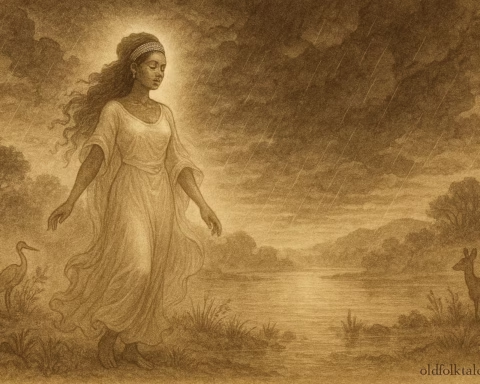
The Samodivi are beings of pure enchantment. Their faces shine with an otherworldly radiance, pale as moonlight yet warm as the first breath of spring. They dress in flowing white robes that seem woven from morning mist itself, and their hair cascades down their backs in waves of purest gold, catching the starlight and throwing it back in shimmering streams. When they move through the forest, the leaves seem to bow in reverence, and even the wind holds its breath.
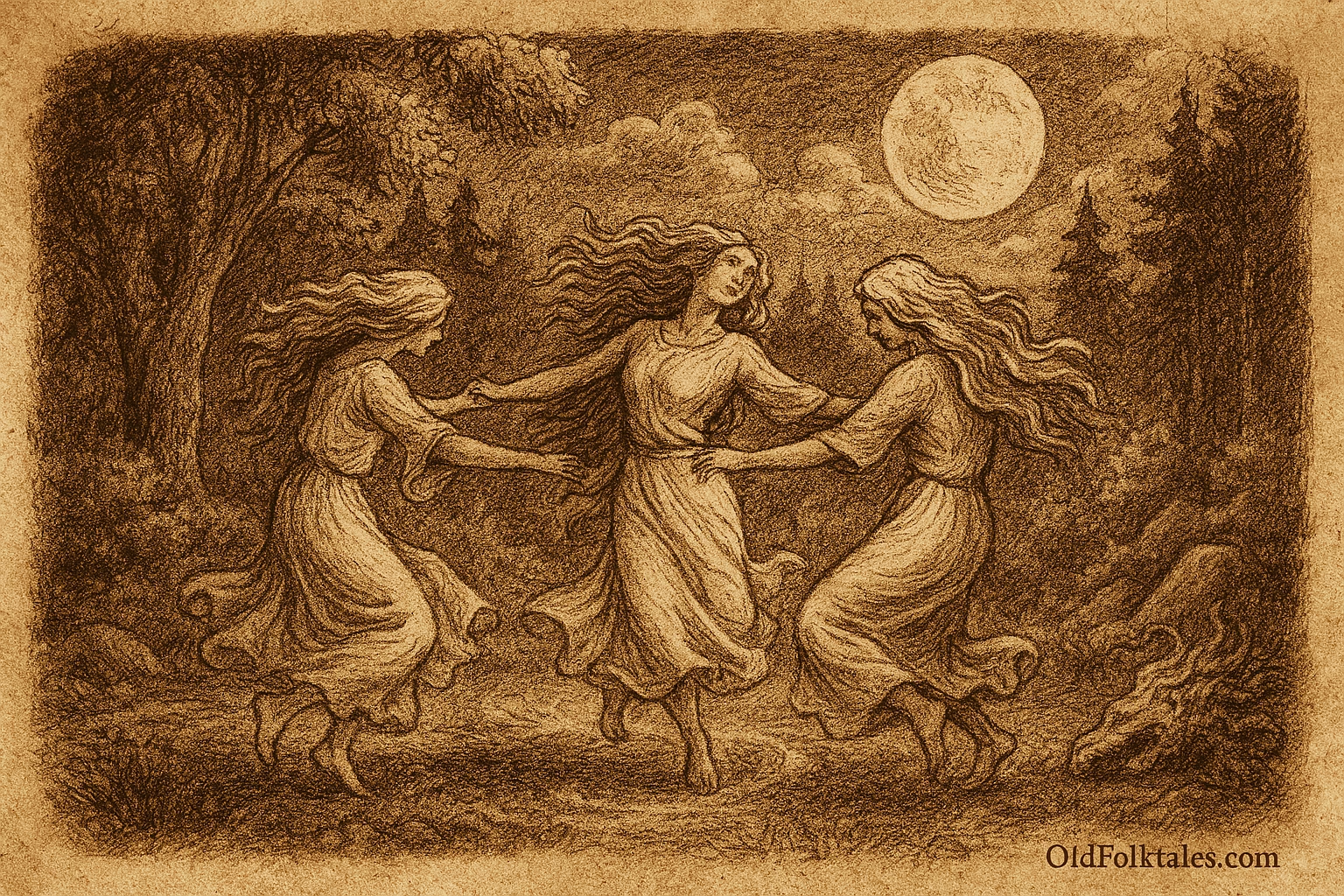
But it is in the depths of night, when honest folk bolt their doors and whisper prayers, that the Samodivi truly come alive. They emerge from hidden glades and secret groves, gathering in forest clearings where the moonlight pools like silver water. There, they begin to dance.
Their dancing is unlike anything mortal eyes have witnessed. They spin and whirl in perfect circles, their white robes billowing around them like clouds in a storm. As they dance, their feet barely touch the ground, yet where they tread, the earth remembers. A strange glow emanates from their movements, painting the grass with ethereal light. And when dawn finally breaks and the Samodivi vanish back into the forest’s embrace, those dancing circles remain rings of bare earth where no plant will ever grow again, testament to the supernatural power that touched that ground.
The forest people of Bulgaria know well the dual nature of these enchanted beings. The Samodivi possess ancient wisdom and magic that can save or destroy, depending on how they are approached. They carry with them magical herbs gathered from the deepest parts of the wilderness, plants that grow nowhere else and possess healing powers beyond mortal understanding. When moved by compassion, they have been known to cure illnesses that leave physicians helpless, drawing out fevers with a touch and mending broken bones with whispered words.
Hunters who show proper respect to the forest who take only what they need and leave offerings of honey and milk at the base of old trees may find themselves blessed by the Samodivi. Their arrows fly true, their traps never go empty, and they always find their way home before darkness falls. The Samodivi become their silent guardians, watching from the shadows and turning aside misfortune before it can strike.
But woe to the man who approaches these forest maidens with arrogance in his heart or mockery on his lips. The Samodivi do not forgive disrespect, and their punishment is swift and terrible.
Many a foolish hunter has crept through the underbrush, drawn by the sound of ethereal laughter and haunting songs, only to spy upon the Samodivi’s sacred dance. Some are struck blind the moment their eyes behold the forbidden sight, stumbling back through the forest with empty sockets that weep tears of blood. Others find themselves entranced, unable to look away, their will completely broken. These unfortunate souls rise as if pulled by invisible strings and follow the dancing maidens deeper and deeper into the mountains.
They walk for hours, then days, climbing ever higher into the wild places where humans were never meant to tread. They do not eat, they do not drink, they do not rest. Their feet bleed, their clothes tear on thorns, but still they follow that hypnotic dance. Finally, when their bodies can bear no more, they collapse among the rocks and pines, and the Samodivi vanish like morning dew, leaving the intruder to find his own way back if he ever can.
Yet the Samodivi are not merely vengeful spirits. They embody something deeper, something that runs through Bulgaria’s soul like roots through ancient soil. They are the untamed wilderness itself given form and voice the reminder that some things in this world will never be conquered or controlled by human hands. They represent the raw, primal beauty of nature, powerful and dangerous, nurturing and deadly, depending on how one chooses to engage with it.
The old wisdom teaches that the forest must be approached with humility. The mountains, the streams, the hidden glades these are not resources to be exploited but sacred spaces to be honored. The Samodivi dance their eternal dance to remind all who enter their realm that nature has its own rules, its own magic, its own justice.
And so, even today, in villages that nestle at the forest’s edge, mothers teach their children never to wander alone after dusk. They explain that respect and reverence are the only safe passage through the wild places. And sometimes, on nights when the moon hangs full and bright, villagers claim they can still hear the faint sound of singing drifting down from the mountains the Samodivi dancing their ancient dance, keeping watch over Bulgaria’s untamed heart.
Click to read all Myths & Legends – timeless stories of creation, fate, and the divine across every culture and continent
The Moral Lesson
The tale of the Samodivi teaches us that nature demands respect, not dominance. Those who approach the natural world with humility, reverence, and gratitude will find protection and blessing. But those who come with arrogance, greed, or disrespect will face consequences as fierce as the wilderness itself. The story reminds us that some forces in this world remain beyond human control, and wisdom lies in honoring them rather than attempting to conquer them.
Knowledge Check
Q1: Who are the Samodivi in Bulgarian folklore? A: The Samodivi are supernatural forest maidens of extraordinary beauty who inhabit Bulgaria’s deep forests. They dress in white robes with long golden hair and possess magical powers to heal, bless, or punish humans depending on how they are treated.
Q2: What happens where the Samodivi dance in the forest? A: When the Samodivi dance in forest clearings at night, they create glowing circles on the grass. These dancing rings leave permanent marks on the earth bare circles where no plants will ever grow again, serving as evidence of their supernatural presence.
Q3: How do the Samodivi reward respectful hunters and visitors? A: The Samodivi bless those who show proper respect to the forest by offering magical healing herbs, ensuring successful hunts, and providing protection against misfortune. They become silent guardians for those who approach nature with humility and reverence.
Q4: What punishments do the Samodivi inflict on disrespectful intruders? A: Those who spy on the Samodivi’s sacred dances or show arrogance may be struck blind or become entranced and forced to follow the maidens deep into the mountains until they collapse from exhaustion. These punishments serve as warnings against violating the sacred spaces of nature.
Q5: What do the Samodivi symbolize in Bulgarian culture? A: The Samodivi represent the wild, untamed spirit of Bulgaria’s nature. They embody the dual nature of the wilderness both nurturing and dangerous and serve as reminders that some forces remain beyond human control and must be approached with respect.
Q6: What is the origin of Samodivi legends in Bulgaria? A: Samodivi legends originate from ancient Bulgarian folklore and Slavic mythology, particularly from mountain and forest communities. These tales have been passed down through generations in villages throughout Bulgaria, especially in regions near dense forests and mountains.
Cultural Origin: Bulgaria, Balkan Peninsula, Eastern Europe